Most productivity problems at work do not come from major failures or dramatic inefficiencies. More often, they develop through smaller administrative tasks and repeated interruptions that quietly consume time throughout the day. Individually, these tasks may seem insignificant, but together they create constant distraction, slower workflows, and mental fatigue that gradually reduce overall productivity.
Studies increasingly show that employees spend large portions of their workday handling low-value administrative work instead of focusing on meaningful tasks. Research cited by Eagle Hill Consulting found that many workers regularly lose time to inefficient processes and low-value tasks embedded into everyday operations.
Constant Task Switching Reduces Focus
One of the biggest hidden productivity drains is constant task switching. Employees often move repeatedly between emails, messages, approvals, scheduling updates, forms, and meetings without enough uninterrupted time to focus deeply on important work.
Even smaller interruptions carry a cognitive cost. Productivity researchers note that repeated switching between tasks reduces concentration and increases mental fatigue throughout the day.
The problem is not necessarily the size of the tasks themselves. More often, it is the nonstop fragmentation of attention that makes employees feel busy all day while accomplishing less meaningful work overall.
Administrative Busywork Adds Up Quickly
Another major issue involves repetitive administrative tasks that quietly consume hours each week. Time tracking, expense reporting, document approvals, scheduling coordination, and repetitive data entry often create more operational drag than companies initially realize.
Recent workplace reporting found that employees are spending significant portions of their workweek on avoidable administrative work, with email management and repetitive processes ranking among the biggest time drains.
Many organizations underestimate how emotionally draining repetitive low-value work becomes over time because these tasks are spread throughout the day instead of appearing as one obvious problem.
Poor Communication Systems Slow Everything Down
Communication inefficiency is another hidden workplace problem. Employees frequently lose time searching for updates, clarifying responsibilities, digging through email chains, or waiting for approvals across disconnected systems.
This issue becomes worse as companies grow because more departments, platforms, and communication channels create greater coordination complexity. Small delays repeated constantly throughout the week often create much larger productivity losses overall.
Platforms such as Sunrise HCM show the growing demand for centralized workforce systems helping reduce administrative friction and improve operational coordination across teams.
Meetings Often Create Invisible Productivity Loss
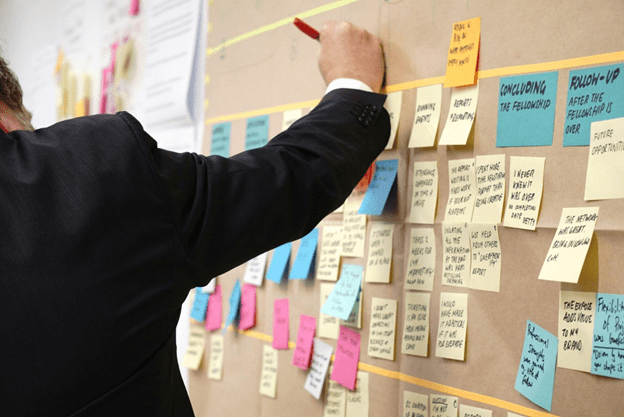
Meetings themselves are not always the problem. The issue is that many workplaces schedule excessive meetings without clear outcomes or structure, which fragments schedules and reduces uninterrupted work time.
Research and workplace productivity studies repeatedly identify unnecessary meetings as one of the largest contributors to lost productivity because employees spend significant portions of the day preparing for, attending, or recovering from discussions that could often be handled more efficiently.
The result is that employees may appear constantly occupied while struggling to complete focused work requiring concentration and deeper thinking.
Small Digital Inefficiencies Create Constant Friction
Even smaller technological frustrations contribute to productivity loss more than many companies realize. Searching through files, managing multiple apps, troubleshooting software issues, and switching between disconnected tools create low-level frustration throughout the workday.
Modern workplaces rely heavily on digital systems, but poorly integrated platforms often increase complexity instead of simplifying workflows. Reports from business productivity studies show that operational inefficiencies and administrative multitasking continue consuming large amounts of leadership and employee time weekly.
Small inefficiencies repeated constantly eventually become emotionally exhausting because employees spend more energy navigating systems than doing meaningful work.
Employees Feel Busy Without Feeling Productive
One reason these workplace habits become difficult to notice is because activity is often mistaken for productivity. Employees may spend entire days responding to messages, updating systems, attending meetings, and completing administrative tasks while still feeling like little meaningful progress was made.
This phenomenon is sometimes described as “busywork” or “productivity theater,” where maintaining the appearance of constant activity overshadows actual high-value work.
Over time, this creates frustration because employees feel mentally exhausted despite spending less time on the work they were actually hired to perform.
Simpler Systems Are Becoming More Valuable
As organizations recognize these problems, many are prioritizing tools and workflows that reduce unnecessary friction and simplify daily operations. Companies increasingly want systems that centralize communication, automate repetitive tasks, and reduce administrative overload across departments.
Platforms such as Linq indicate the broader movement toward more streamlined communication and digital coordination tools designed to reduce repetitive operational inefficiencies and make collaboration feel more seamless.
The goal is increasingly not just working faster, but creating environments where employees can spend more time focused on meaningful work instead of constantly reacting to fragmented tasks.
Productivity Problems Usually Start Small
Perhaps the biggest misconception about workplace inefficiency is that it comes from one major operational issue. In reality, productivity often declines through dozens of smaller habits and systems quietly wasting time every single day.
Tiny interruptions, repetitive admin tasks, excessive meetings, poor communication, and fragmented workflows gradually create larger emotional and operational strain than most organizations initially recognize. The strongest workplaces are often not the busiest ones. More often, they are the environments where smaller daily systems function smoothly enough that employees can focus without constant unnecessary friction.