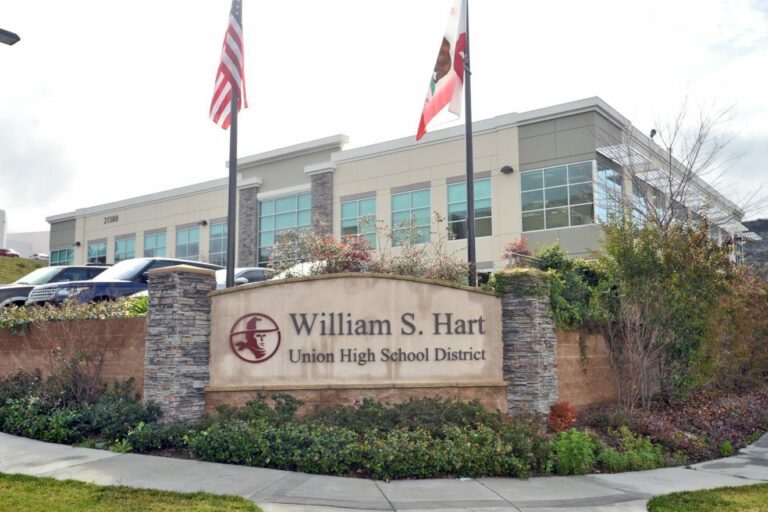
William S. Hart High School, Golden Valley High School and Canyon High School reported the highest numbers of students considered homeless in the 2025-26 school year, with inflation cited as one of the primary contributing factors.
There are different ways students are identified as homeless and it doesn’t always mean they are living on the streets, Jan Daisher, the William S. Hart Union High School District’s director of special programs and professional development, said during a recent phone interview. She has since been promoted to the district’s chief administrative officer of student services and leadership support.
Students are considered homeless through a variety of factors, including staying at a campsite, living in a recreational vehicle or garage, or even if they may not have parents present while they are currently minors, Daisher said.
During the May 6 Hart district governing board meeting, it was stated that Hart High School had a total of 533 students considered homeless or unhoused, making it the school site with the highest number of homeless students.
During a followup, Daisher said Golden Valley came in second with 255 and Canyon High came in third with 144 students. Out of all students who were in the homeless or unhoused category, 419 of them were also English Learners, Daisher wrote in a follow-up email.
“Over 500 is a lot, which speaks to the economic challenges many people are facing right now and the need to live with someone else for financial reasons,” Daisher said. She added that many families have reported living with other families, a situation that can leave students with less space to study and focus on coursework, as well as reduced privacy.
Ways the Hart district helps students who may be experiencing homelessness during a school year include programs such as library nights, which are open to everyone, tutoring during lunch and creating a positive school culture.
Parameters in place to identify vulnerable students begin at the start of the school year, during the August enrollment period.
A student residency questionnaire is required for all students and allows district personnel to learn about each student’s living situation and helps identify warning signs, Daisher said. “Our social workers, counselors and administrators can really look at their actual circumstances.”
If there are several warning signs that indicate a student may be homeless, district personnel have confidential conversations with the students “with great empathy and understanding in order to make sure we can provide the services and not miss any kids,” she added.
Daisher acknowledged that even with the required student questionnaire, not all students may be identified, or their situation could change throughout the school year. But if students show signs of sleepiness in the classroom, aren’t submitting assignments, or don’t have a change of fresh clothes when they come to school and other patterns, it can indicate the students’ living situation may have changed.
“We have to do a little detective work but the good news is we have people who are wonderfully perceptive and so helpful. There’s no stigma,” Daisher said.