When it comes to selecting flooring for your home, durability is often a key consideration. The choice between marble and vinyl flooring can be daunting, given their unique characteristics and applications. While Marble Flooring is synonymous with luxury and timeless elegance, vinyl offers a more budget-friendly and versatile alternative. This article delves into the durability of each option, examining factors such as material strength, wear resistance, and maintenance requirements to guide you in making an informed decision for your home improvement project.
Marble Flooring: A Durable Luxury Option
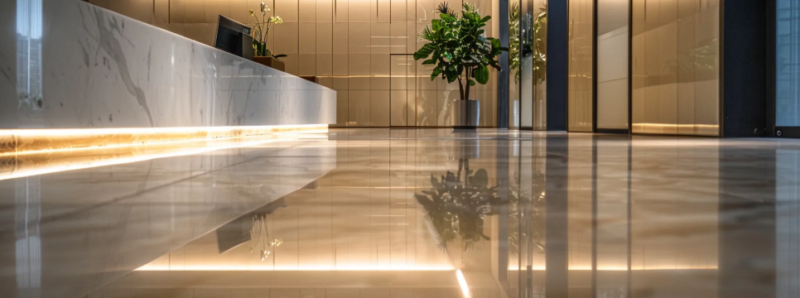
Marble Flooring stands out as a symbol of opulence due to its natural beauty and long-lasting qualities. This hardscape material, often used in high-end interior design, boasts impressive durability that can withstand heavy foot traffic. Marble’s natural veining and unique patterns make it a popular choice for those seeking both form and function in their spaces. However, it’s essential to consider that marble requires a specific finish schedule to maintain its pristine appearance. Regular sealing and polishing are necessary to protect against scratches and etching, which can accumulate over time.
A notable advantage of Marble Flooring is its ability to increase property value due to its luxurious appeal. Despite its higher initial cost, the investment can be justified by the longevity and aesthetic enhancement it provides. According to a study by the National Association of Realtors, homes with marble features often see a higher resale price. Nevertheless, potential buyers should be aware of marble’s susceptibility to stains from acidic substances, necessitating diligent maintenance.
Vinyl Flooring: Affordable and Resilient Choice
Vinyl flooring has gained popularity as a cost-effective alternative that doesn’t compromise on durability. This synthetic option is designed to mimic the appearance of natural materials like wood and stone, offering a wide array of styles to suit various design preferences. Vinyl’s resilience comes from its multi-layer construction, which includes a wear layer that provides scratch and stain resistance, making it ideal for high-traffic areas and households with pets or children.
Modern advancements in manufacturing have enhanced vinyl’s durability, making it a viable option for both residential and commercial spaces. In terms of installation, vinyl is often favored during the design development phase due to its ease of installation and minimal site disruption. Furthermore, vinyl’s waterproof nature makes it an excellent choice for areas prone to moisture, such as kitchens and bathrooms, where marble might not be advisable due to potential water damage.
Comparative Analysis of Durability Factors
When evaluating the durability of marble versus vinyl flooring, several factors come into play. Marble, although inherently strong, requires careful maintenance to preserve its beauty and integrity. It is susceptible to chips and scratches if not properly cared for, which can be addressed through periodic polishing and sealing. On the other hand, vinyl flooring is engineered to resist such damage, with its wear layer providing a robust barrier against daily wear and tear.
A significant consideration is the lifespan of each material. While marble can last for decades with proper care, vinyl typically offers a lifespan of 10 to 20 years, depending on the quality and level of wear. In terms of acoustical treatment, vinyl often performs better in noise reduction, making it a preferred choice for spaces where sound dampening is essential. Furthermore, vinyl’s compatibility with radiant heating systems adds to its appeal in colder climates, where warmth is a priority.
For environmentally-conscious homeowners, LEED Certification may influence the decision-making process. Marble is a natural material, but its extraction and transportation can have a higher environmental impact compared to vinyl, which can be made with recycled materials and is often manufactured locally, reducing its carbon footprint.
Choosing the Right Flooring for Your Needs
Deciding between marble and vinyl flooring ultimately depends on your specific needs and preferences. If you prioritize luxury and are prepared to invest in ongoing maintenance, Marble Flooring may be the ideal choice. It offers unmatched elegance and can significantly enhance your home’s aesthetic and market value. However, if you seek a practical, low-maintenance option that offers durability and style without a hefty price tag, vinyl flooring is a compelling choice.
Consider conducting a site analysis to evaluate the specific conditions of your space, such as foot traffic and exposure to moisture, which will help inform your decision. Additionally, form + function analysis can guide you in selecting a flooring option that aligns with both your design vision and practical requirements. Ultimately, the right choice is one that suits your lifestyle and budget while enhancing the overall appeal of your home.
Conclusion

Both marble and vinyl flooring offer distinct advantages in terms of durability and design. Marble provides a luxurious and enduring option for those willing to invest in its upkeep, while vinyl offers a resilient and budget-friendly alternative with diverse aesthetic possibilities. By understanding the unique characteristics of each material, you can make an informed decision that best suits your home improvement goals and personal preferences.