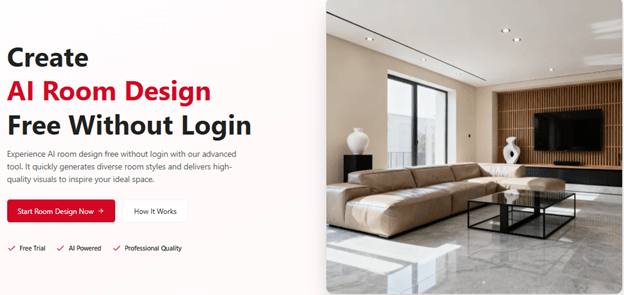
Almost every field now shifts because tech moves fast, yet interior work changes too. Lately, folks who live somewhere, those looking to rent, builders, and space planners alike lean into AI-driven home styling aids. Creating lovely rooms feels simpler these days since smart systems step in – no need to hand over big money for expert help.
Picture your bedroom freshened up, maybe the kitchen redone, or even shaping a sleek new living space – smart design apps can sketch it all fast. Right now, plenty look for zero-cost ai home styling tools so they test looks without spending much first.
Home design powered by artificial intelligence lets users see and shape their rooms differently. It opens up new ways to explore ideas without needing special skills. Personal touches become easier when technology guides choices. Creativity grows when tools adapt to how people live. Cost barriers drop as smart systems suggest options that fit budgets. Everyone gains chances to build spaces they connect with. New paths appear where imagination meets practical help.
AI Home Design Explained?
AI Home design powered by AI builds floor plans, picks decor, lines up furniture, shapes rooms – all on its own. Through smart software, it studies space size, light flow, colors used, where items sit. Outcomes balance function with looks, shaped by data behind the scenes.
Picture this: toss your room photo into the tool, or pick a ready-made layout instead. From there, the smart software dreams up several versions, shaped by how you like things to look. One moment it pulls from modern tastes, next leans rustic – each idea built around what feels right to you.
Out of today’s tech comes a way to picture rooms more clearly – learning from data, seeing like humans, shaping images with precision. These systems build lifelike scenes by spotting patterns, interpreting shapes, then drawing spaces you can almost walk through. With each version they improve quietly, offering views that match real life closer than before. Seeing it unfold makes choices easier, somehow less guesswork, more clarity. What once took sketches now happens in moments, guided by silent algorithms working behind the screen.
AI home design gains popularity
One reason these tools spread fast? Homes now shape themselves around people. Not just function but feel matters more lately. Machines learn tastes without being told twice. Some say it’s luck, others point to better screens at stores. Each choice adapts before you blink. Quiet shifts in daily life feed this rise. No single cause stands tallest – many push together like roots under pavement.
Saves Time
Out of nowhere, ideas pop up when machines sketch rooms fast. Weeks melt away – what used to drag on now happens before you blink.
Reduces Costs
Spending less becomes possible when skipping traditional decor experts. Tools driven by artificial intelligence step in, helping those who watch their dollars at home.
Easy to Use
Starting out might feel odd, yet plenty of AI tools welcome newcomers without a background in design. These systems often guide users through steps using hints that appear along the way instead of demanding expertise upfront.
Provides Instant Inspiration
Inside spaces shift fast at a tap, showing fresh looks one after another. A click brings new layouts into view without delay. Each choice opens a different way rooms might feel. Options appear quickly, changing how things look inside. Every setup gives a unique sense of space.
Better Visualization
Picture your space transformed, thanks to smart tech showing you a sneak peek ahead of time. A glimpse like this lets you spot potential fits without lifting a finger yet.
How Free AI Room Design Tools Work
Most folks look up free ai tools to sketch rooms, hoping to test wild concepts before paying a dime. Usually, these sites walk users through steps that feel familiar.
Upload a photo of your room
A picture of your space gets uploaded by you. Or pick one already designed inside the system.
Choose a Design Style
A fresh look comes through when picking modern, though some might lean toward the quiet charm of minimalist. Style shifts happen easily – Scandinavian brings light woods into play, while luxury wraps spaces in richer textures. Industrial feels raw, a bit unfinished on purpose. Traditional holds steady with familiar forms, nothing too loud. Choices stack up without needing extra steps.
Ai Creates Design Options
A fresh layout appears when the software studies how the space is built. It decorates on its own after scanning walls and corners. Each design shift happens without needing a prompt.
Customize the design
Furniture layout might shift around when someone tweaks it. Colors change too, depending on choices made earlier. Lighting adjusts separately, following new settings picked by hand. Flooring swaps in quietly after a few clicks nearby. Decor items settle into place one at a time, each matching the latest pick.
Save or share your work
After they’re happy with how it looks, the file can be saved directly to a device. Sharing it out comes next, if that feels right.
Anyone using a phone or computer can now tap into home design through AI. The whole system opens doors without needing special gear.
AI room design tools free to use
Free AI room design tools offer many advantages for homeowners and renters.
multiple design ideas explored
Trying out different looks becomes possible when people skip costly remodeling jobs. A change of mind stays risk free if money is not tied up too early. Experimenting first means choices feel lighter later on. Spending big feels unnecessary once options reveal themselves slowly. Commitment waits until confidence arrives naturally.
Perfect for Small Spaces
Furniture layouts for small spaces might be streamlined using smart software hints. A computer could point out where to place items so rooms feel more open. Sometimes a digital helper shows better ways to fit everything in neatly.
Improves Creativity
Out of nowhere, ideas made by machines push people toward trying fresh looks. A spark comes when algorithms suggest pairings nobody thought of before. These digital nudges open doors to odd mixes that feel just right. Sometimes a strange combo clicks because it came from code, not habit.
Faster Renovation Planning
Before buying a sofa or tearing down a wall, people see how things might look. A preview shows shifts in layout or design without lifting a tool.
Beginner-Friendly Experience
Folks who’ve never touched a design tool still manage sharp room layouts.
Common Trends in AI Home Design
What draws folks to AI home design tools? Trying out fresh looks in seconds. Not just one style either – switching vibes happens right away. A tap changes everything. That speed makes testing ideas feel light. No waiting means more play.
Modern Style
Smooth edges meet soft tones, then slip into sparse setups that shape a sharp look.
Minimalist Design
Calm comes easier when space feels open, not packed. Rooms breathe where things stay out of the way. Order shows up when stuff does not fight for attention.
Scandinavian Interior
Open spaces welcome sunlight, filling rooms with a soft glow. Wood appears underfoot, on walls, on shelves – everywhere warmth matters. Pieces made for living stand ready, built to last without fuss. Light moves freely where design stays quiet.
Luxury Design
Smooth lines shape the pieces, while rich wood tones add depth. A quiet mix of greys, creams, and deep blues sets the mood. Fine stitching shows in every armrest and corner.
Industrial Style
Built-in textures show through on walls where steel meets raw brick. Shades lean toward charcoal instead of bright hues. City-style details shape the space without hiding what’s underneath.
Bohemian Style
Out of bright hues, touch after touch of texture shows up in quiet detail. Where paint meets surface, small surprises grow through hand-placed marks. A room comes alive not by plan, but because bits stick around that shouldn’t – yet do.
Fiddling around with different styles becomes a breeze when using AI tools.
AI Changes How Rooms Are Designed
Furniture layouts now shift based on how people actually move through rooms. A quiet hum of sensors feeds data into systems that suggest color palettes matching your mood. Light adjusts itself slowly, like dawn creeping across a wall. Choices once made by instinct are guided by silent learning machines. Rooms breathe differently when algorithms shape their bones.
Smart Space Planning
A space gets measured by artificial intelligence, then receives layout ideas meant to work smarter. Room size shapes how furniture might fit, guiding where things go next.
Personalized Recommendations
From tastes shared by users, color choices come alive through smart suggestions. Furniture pops up next, shaped by what people like. Decor follows close behind, nudged into view by past picks. Preferences guide each step, quietly shaping what appears.
Realistic Visualization
Modern rendering technology helps users preview realistic room transformations.
Accessibility for Everyone
Folks without design training can now create sharp-looking spaces, thanks to smart software stepping in. Homeowners find it easier to shape rooms their way when tech handles the heavy lifting.
Faster Decision-Making
Picking what works takes less time when different room ideas sit side by side. A clear view helps spot the right fit without guessing.
How People Use AI Tools for Home Design
There are many practical uses for AI home design technology.
Living Room Makeovers
A space that feels fresh might come alive through artificial intelligence. Comfort winds its way into corners shaped by smart design choices. Living areas take form when digital thinking steps in quietly.
Bedroom Redesign
Trying out calm shades might help some people feel more at ease. A different chair could shift how a room feels entirely. Soft light often changes the mood without needing much else. One change leads to another when setting up space slowly.
Kitchen Renovation Planning
A kitchen takes shape on screen, long before hammers arrive. Pictures form through smart software, showing changes clearly. One layout fades into another, helping choices feel real. Decisions gain clarity when designs appear first in digital space.
Home Office Design
Create productive and organized workspaces with smart furniture placement.
Apartment Optimization
Fitted smart systems make tiny homes work harder. Storage slips into walls where tech plans every inch. Clever layouts pop up through learning habits. Space breathes easier when tools adapt quietly behind scenes.
Real Estate Staging
Property sellers can use AI-generated interiors to make homes more attractive to buyers.
Features of a free AI room design tool
Some artificial intelligence tools feel different than others. Consider these key details when choosing one.
High-Quality Visuals
Pick software that shows how spaces will actually look. One that builds lifelike views of rooms helps you see details before anything gets built.
Fast Processing
Out of nowhere, solid AI tools sketch ideas fast. Designs appear quicker when smart software runs them.
Multiple Interior Styles
The platform should offer diverse design themes.
Customization Options
Users should be able to edit furniture, colors, and room layouts.
Mobile Compatibility
Most people like apps made for phones along with iPads. Devices fit better when they run on smaller screens too.
Free Features
A solid AI room layout tool gives you real value up front without locking key features away too soon. Free access matters most when it actually works well from the start.
The Future of AI in Home Design
Home design powered by AI holds strong potential ahead. With progress in artificial intelligence, tools adapt faster, learning user habits over time. One day reshapes another through subtle shifts in how spaces respond. Personalization grows quieter, deeper, less noticeable but everywhere. Improvement arrives not in leaps, but steady quiet steps forward.
Future advancements may include:
- Real-time 3D room transformations
- Voice-controlled design generation
- Virtual reality room walkthroughs
- AI furniture shopping assistants
- Smart home integration
- Personalized recommendations based on lifestyle habits
Home upgrades might soon include artificial intelligence as a regular feature. One day, picking paint or furniture could involve smart systems by default. Over time, digital helpers may just be part of how people redesign rooms. Soon enough, thinking about space might mean working alongside AI tools naturally.
Better AI Room Designs
To get the best results from AI design platforms, follow these tips:
Use Clear Photos
High-quality room images improve AI accuracy.
Try Different Styles
Try different styles first – choices come easier that way.
Focus on Lighting
Lighting can dramatically affect room appearance.
Avoid Clutter
Quiet rooms with just enough detail tend to catch the eye more.
Add Personal Touches
Start with what machines suggest, then shape it using your personal touch. Ideas born here carry both logic and imagination. Let one feed into the next without force. A spark comes when algorithm meets intuition. Work flows where data ends and instinct begins.
Conclusion
Home design powered by artificial intelligence changes how folks shape their personal spaces. Using smart software, people remake interiors fast, cheaply, one idea at a time – no expert background needed.
Picture your dream space taking shape through smart tools that learn what you like. When ideas feel stuck, fresh visuals pop up based on small details you choose. Renovating a house? Try layouts that adapt before any hammer swings. Free online apps now guide choices without needing design school. Living areas gain new life with color pairings picked by algorithms tuned to balance. Even kitchen cabinets shift position in digital mockups after one click. Bedrooms transform overnight using suggestions built from millions of real homes. Technology quietly fills gaps where imagination slows down. What once needed costly consultants unfolds step by step at no charge.
Faster ways of building dream spaces might soon come from smarter software, as machines learn to shape ideas alongside human imagination. Tools shaped by data could simplify decisions, guiding choices without slowing down creativity. With time, these systems may blend into daily planning, making complex designs feel effortless.