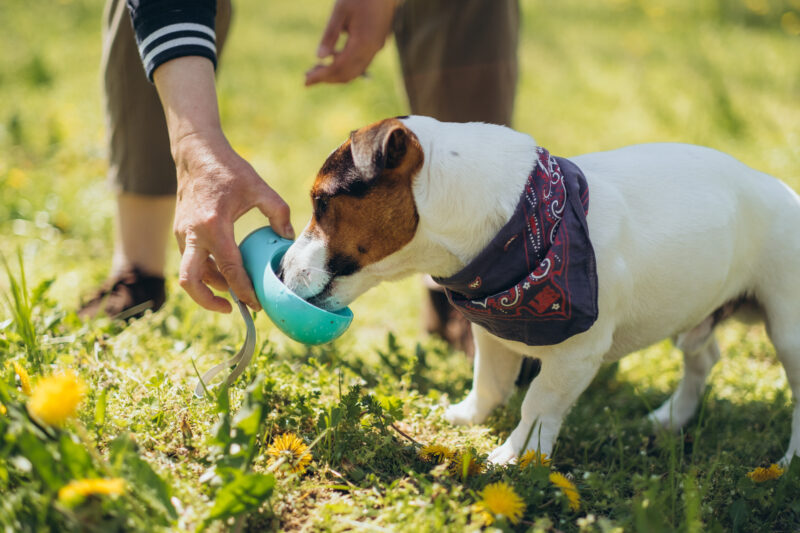
Santa Clarita’s triple-digit summers bring intense heat, scorching pavement and dry canyon winds — conditions that can quickly become dangerous for pets. From early signs of heat stress to safe walking times and hydration strategies, understanding how to protect animals during peak heat is essential for every local pet owner.
As temperatures climb, the earliest signs of heat stress often appear subtle. Excessive panting, seeking shade or refusing to continue walking are common indicators that a dog is beginning to struggle. For cats, the warning signs are even more distinct.
“For cats, any open-mouth breathing or panting is never normal behavior,” said Christopher A. Valles, public information officer for the Los Angeles County Department of Animal Care and Control. He noted that in Santa Clarita’s summer conditions, mild symptoms can escalate rapidly. “Early symptoms can turn into dangerous heat-related illness in a matter of minutes — especially during exercise or time outdoors without adequate shade and cooling.”
Walking Dogs Safely Early or Late, Never Midday
To reduce heat exposure, Valles recommends shifting walking routines to cooler hours.
“The safest walking times during the summer heat are early morning — ideally before noon — or after sunset once the ground temperatures decline.”
Owners should shorten routes, choose shaded or grassy paths, slow their pace, add rest breaks and carry cool water.
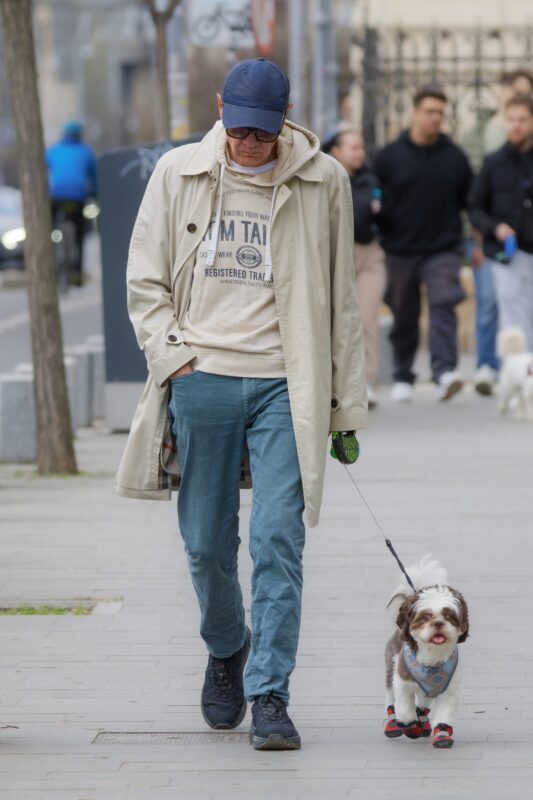
Beware of pavement temperatures. “It can burn paw pads in seconds.”
Santa Clarita’s pavement becomes dangerously hot in July and August.
“Pavement temperatures can reach 130 to 160 degrees when air temperatures are in the high 90s to 100s,” Valles said. “These temperatures can burn paw pads in seconds.”
He recommends the Seven Second Test: place your hand on the pavement and see if you can keep it there comfortably. If not, it’s too hot for paws. Handheld infrared thermometers are also helpful on local trails.
Hydration That Helps — and What to Avoid
Effective hydration and cooling strategies include:
Cool, fresh water offered frequently
Frozen pet-safe treats, such as broth ice cubes
Adding moisture to food
Indoor cooling with fans, AC or cooling mats
Shaded breaks during outdoor activity
Valles cautioned against human electrolyte drinks or powders. “Many contain ingredients unsafe for pets,” he said. “And overusing ice when a pet is already overheated may worsen stomach upset.”
Boarding and Daycare: Questions That Matter
For owners using boarding or daycare during summer travel, Valles recommends asking:
What cooling systems are in place?
How often are pets monitored for heat stress?
Is outdoor play modified or canceled on high temperature days?
Are shaded areas always available?
How frequently is fresh water offered?
What emergency procedures are in place?
“These questions help ensure the facility is prioritizing heat safety,” he said.
Santa Clarita Specific Risks: Canyon Winds, Smoke and High Heat Trails
Local geography adds unique challenges. “Canyon winds create very dry conditions and faster dehydration,” Valles explained. Wildfire smoke can irritate airways, and many popular trails offer minimal shade with rock surfaces that radiate intense heat.
Summer also brings increased wildlife activity at dawn and dusk — times when many owners walk dogs to avoid the heat.
If Heatstroke Occurs: Cool, Don’t Over Cool
If a pet shows signs of heatstroke, Valles stressed immediate action.
“Move the pet to a cool area, offer small amounts of water, apply cool — not cold — water to the body and use fans for gentle cooling,” he said. Owners should head to a veterinary clinic right away.
He warned against ice baths, forcing water or waiting at home to see if symptoms improve. “Prompt veterinary care is essential.”
Valles also encouraged preventive identification. “Micro chipping and ensuring pets wear collars with up-to-date ID tags significantly improve the chances of reunification if pets run off.”
National Dog Day
While safety is the priority, summer also brings opportunities to celebrate pets — especially at Lazy Dog Restaurant in Valencia.
“Dogs are always welcome at Lazy Dog, so National Dog Day is one of our favorite celebrations of the year,” said General Manager Jeffrey Compton.
From August 24–27, guests who dine on the dog-friendly patio and order one of the restaurant’s Dog Bowls will help support Pet Partners, a nonprofit that trains therapy animal teams. Lazy Dog will donate $1 from every Dog Bowl ordered during the promotion.
As a thank you, every guest who orders a Dog Bowl will receive a card for a free Dog Bowl on a future visit with the purchase of an entrée.
On National Dog Day (August 26), the first 50 dogs visiting the Valencia patio will receive a complimentary Lazy Dog bandana.
Compton said the celebration reflects the restaurant’s roots. “Lazy Dog was inspired by the Rocky Mountains and the time our founder spent enjoying the outdoors with his family and their dogs.”
The goal, he added, is simple. “We want to create a fun way for guests to celebrate with their dogs while supporting an organization that’s improving lives every day. If we can make a dog’s day a little more special while helping therapy animals bring comfort to others, we’ve accomplished exactly what we set out to do.”
And at Lazy Dog, the celebration doesn’t end on August 26. “Dogs aren’t just welcome on National Dog Day — they’re welcome year round.”