The evolution of creative technology rarely arrives in quiet increments—it tends to shift entire industries in waves. Seedance 2.0 and Seedance 2.5 represent one of those waves. Not merely iterative upgrades, these systems introduce a refined philosophy of digital creation where artificial intelligence acts less like a tool and more like a collaborator. The result is a production environment where imagination flows faster, decisions become sharper, and outputs carry a distinctly modern signature.
A New Era of Creative Intelligence
At its core, Seedance 2.0 laid the groundwork for intelligent content generation by introducing adaptive learning layers capable of interpreting creative intent. It moved beyond rigid automation and began understanding nuance—tone, rhythm, visual balance, and storytelling coherence. For professionals, this meant less time spent correcting outputs and more time refining ideas.
Seedance 2.5 builds on this foundation with remarkable sophistication. It doesn’t just respond—it anticipates. Through deeper contextual awareness and improved generative precision, it aligns more closely with human creative instincts. Whether working on branded visuals, editorial narratives, or multimedia campaigns, creators now experience a workflow that feels fluid rather than mechanical.
Precision Meets Performance
One of the defining characteristics of Seedance 2.5 is its enhanced processing architecture. Tasks that once required multiple iterations now converge quickly toward high-quality results. This efficiency is not about speed alone—it’s about accuracy at scale.
Creative professionals often operate under tight deadlines where quality cannot be compromised. Seedance 2.0 introduced reliability, but Seedance 2.5 transforms that reliability into consistency across complex projects. From visual harmony to narrative structure, outputs maintain a professional standard that aligns with industry expectations.
This level of performance has quietly shifted production benchmarks. Agencies, freelancers, and in-house teams are no longer asking whether AI can assist—they’re exploring how far it can elevate.
The Role of Intelligent Tools in Modern Workflows
As creative pipelines become increasingly hybrid, the importance of integrated tools grows. This is where platforms like Dreamina naturally enter the conversation. By working alongside systems such as Seedance 2.0 and Seedance 2.5, it enables creators to expand their experimentation space without sacrificing control.
Instead of treating AI as a separate layer blends seamlessly into the creative process. Designers can move from concept to execution with fewer disruptions, while writers can refine tone and structure with intuitive assistance. The synergy between these technologies fosters a workflow that feels cohesive rather than fragmented.
From Concept to Execution: A Seamless Journey
The journey from idea to final output has traditionally been filled with friction—drafting, revising, reworking, and aligning multiple elements. Seedance 2.0 reduced this friction by introducing smarter generation cycles. Seedance 2.5 goes a step further by minimizing the gap between intention and execution.
For instance, when developing a campaign concept, creators can now iterate in real time, adjusting visual direction or narrative voice without restarting the process. This continuity allows for deeper creative exploration, leading to outcomes that feel more polished and intentional.
In high-level production environments, this capability translates into measurable value. Teams can deliver more refined work in less time, while maintaining a distinctive creative edge.
The Subtle Power of Adaptability
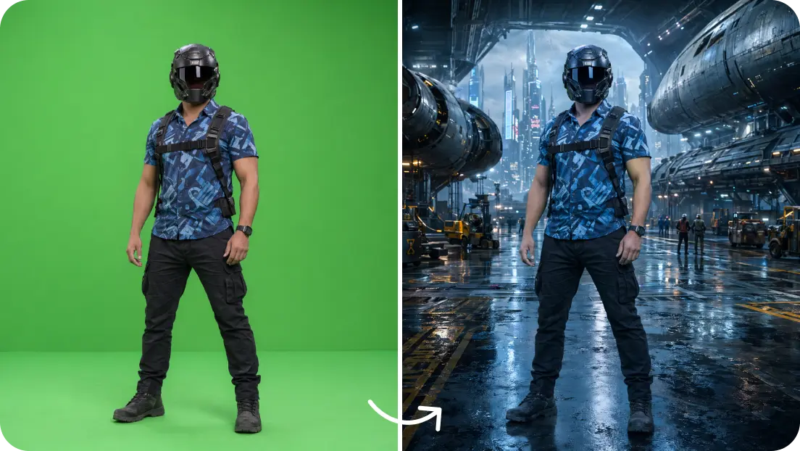
What truly distinguishes Seedance 2.5 is its adaptability. It doesn’t impose a style—it learns and evolves with the user. This makes it particularly valuable for professionals who operate across diverse projects and industries.
Seedance 2.0 introduced adaptive frameworks, but Seedance 2.5 refines them into something far more dynamic. Whether the task involves minimalist design, cinematic storytelling, or data-driven content, the system adjusts its approach accordingly.
This flexibility ensures that outputs never feel generic. Instead, they reflect the unique voice and vision of the creator, enhanced by intelligent support rather than overshadowed by it.
Industry Impact and Future Direction
The adoption of Seedance 2.0 and Seedance 2.5 is already influencing how creative industries define productivity and quality. Traditional workflows are being restructured around these technologies, with teams prioritizing ideation and strategy over repetitive execution.
Looking ahead, the trajectory is clear. As AI continues to evolve, tools like these will become central to creative ecosystems rather than supplementary additions. The focus will shift from “using AI” to “creating with AI,” where human insight and machine intelligence operate in harmony.
Platforms will play a crucial role in this transition, acting as bridges between advanced systems and everyday creative needs. By enabling smoother interaction and deeper exploration, they help unlock the full potential of technologies like Seedance 2.5.
Conclusion: Creativity Without Constraints
Seedance 2.0 and Seedance 2.5 are not just technological milestones—they are indicators of a broader transformation in how creativity is approached. They empower professionals to move faster, think bigger, and execute with greater precision.
In a world where content defines connection, having the right tools can make all the difference. With intelligent systems guiding the process and platforms enhancing accessibility, creators are no longer limited by traditional constraints. Instead, they are entering an era where ideas can be realized with clarity, confidence, and unmistakable impact.