
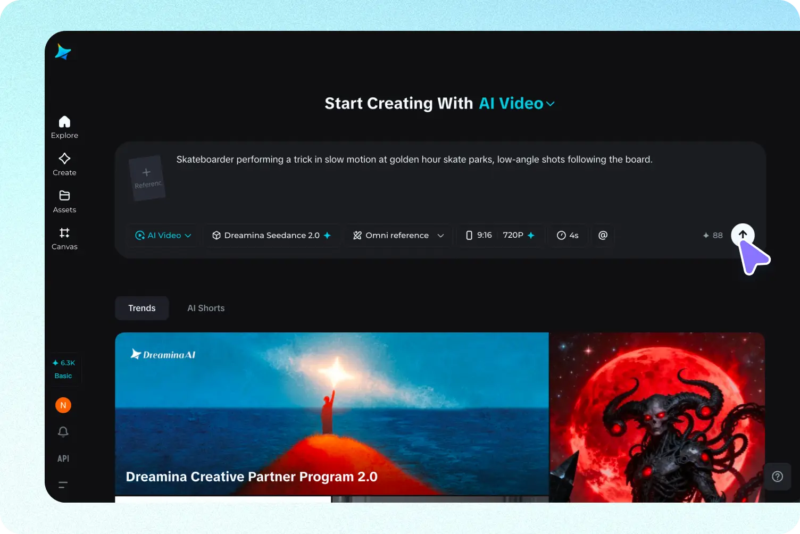
Local journalism has traditionally depended on reporters, photographers, editors, and community sources to document events and explain developments that affect residents. Today, news organizations are working in a media environment where audiences expect information in several formats, often accessing updates through mobile devices and digital platforms. An ai video generator offers newsrooms another way to explore visual presentation, develop explanatory content, and communicate certain stories to audiences who prefer watching as well as reading the news.
The New Expectations Facing Local News Organizations
Local newsrooms cover subjects that have immediate relevance to the communities they serve. These include municipal decisions, education, transportation, public safety, economic developments, local businesses, and cultural events. Readers often rely on these reports to understand changes happening in their neighborhoods.
The way audiences discover such information has changed considerably. Some visit news websites directly, while others encounter headlines through social platforms, newsletters, or search results. This has encouraged publishers to consider how a story can be presented across different formats without losing its accuracy or context.
Video can be useful when a subject involves a process, a location, or a sequence of developments that benefits from visual explanation. A report about a proposed transportation project, for example, may be easier to follow when accompanied by an explanatory map or a carefully prepared visual presentation.
However, the availability of additional formats should not become a reason to produce unnecessary content. The editorial value of a story must remain the starting point.
Why Some News Stories Benefit From Visual Explanations
Certain local issues involve information that can be difficult to communicate through a headline and a few paragraphs. A public infrastructure proposal may include several stages, funding considerations, and possible effects on surrounding neighborhoods. An election report might require an explanation of voting procedures, candidate positions, or changes in local representation.
Visual storytelling can help organize these details into a sequence that audiences can follow. Maps, timelines, diagrams, photographs, and explanatory clips can provide context that supports the written report.
For example, a newsroom covering a major road improvement project could create a short explainer showing the affected area, the proposed schedule, and the locations where residents may experience disruption. The accompanying article could then provide official statements, financial information, and additional background.
This combination allows each format to serve a distinct purpose. The video introduces the issue, while the article provides the depth required for informed understanding.
Supporting Reporters Without Replacing Journalism
Journalists spend much of their time gathering information, interviewing sources, checking documents, and verifying claims. Visual production adds another responsibility, particularly for smaller newsrooms where reporters may already perform several roles.
Technology can help teams explore ways to present information, but it cannot replace the reporting process. A visual presentation is only as reliable as the information supporting it.
A newsroom must continue to confirm the identity of sources, check dates and locations, distinguish allegations from established facts, and seek responses from relevant parties. These responsibilities become especially important when reporting involves public controversies, legal matters, emergencies, or allegations against identifiable individuals.
The most effective workflow gives journalists control over the information while allowing creative tools to assist with presentation. Editorial judgment should determine what appears in the final publication.
Exploring Visual Production for Explanatory Journalism
Not every news organization has access to a dedicated video department. Some publishers may have photographers and reporters but lack the equipment or specialist skills needed to produce additional visual material for every important story.
AI-assisted production can provide another option during the planning and concept-development stages. Editors may explore how a complicated subject could be explained visually before deciding whether a traditional recording, an infographic, an animation, or another format would be more appropriate.
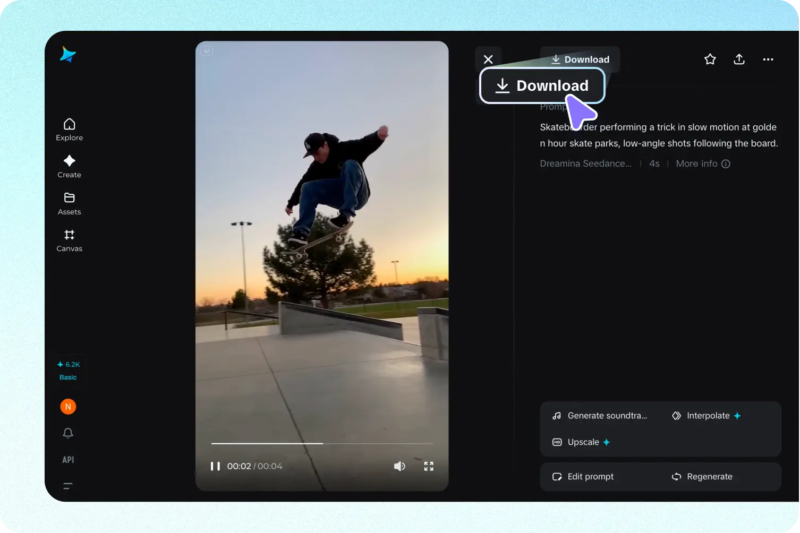
An ai video generator can help explore visual concepts for suitable explanatory projects. Dreamina is one option that creative teams may consider when developing ideas for digital presentations, provided the resulting material is carefully reviewed and used with appropriate context.
For factual reporting, there must be a clear distinction between illustration and documentary evidence. A generated scene should never be presented as genuine footage of an accident, public meeting, protest, interview, or other event that did not actually occur.
When real-world accuracy is essential, verified recordings, authorized photographs, official documents, and original reporting remain fundamental.
Building Trust Through Transparent Visual Communication
Trust is one of the most important assets a news organization can maintain. Readers expect publishers to distinguish confirmed information from speculation and to present competing perspectives fairly when a story requires it.
Visual presentation can influence how an audience interprets information. Music, editing, camera angles, captions, and imagery may create an emotional impression even when the accompanying words appear neutral.
Editors should therefore examine whether the visual choices support the facts or unintentionally exaggerate the situation. A report about a local development should not use unrelated dramatic imagery to suggest a crisis. Likewise, an illustration should not make an unapproved proposal appear to be a completed public project.
When generated or illustrative material could be mistaken for authentic documentation, publishers should provide appropriate disclosure. Transparency helps audiences understand what they are watching and protects the credibility of the publication.
Making Community Reporting More Accessible
Local news serves people with different ages, abilities, languages, and levels of digital experience. Some readers prefer detailed written reporting, while others may find a short visual explanation easier to follow.
Accessibility should therefore influence production decisions from the beginning. Captions can make video understandable without audio, while readable text and clear narration help audiences follow the main points. Supporting articles should remain available so that viewers can access additional details at their own pace.
Newsrooms should also consider people with limited internet connectivity. Large video files may not load reliably in every area, particularly where mobile data is expensive or network coverage is inconsistent. Providing written summaries and lightweight visual alternatives can help ensure that important information remains accessible.
A multi-format approach is most effective when it expands access rather than making one format compulsory.
Protecting Sources and Community Privacy
Local reporting frequently involves individuals who are not public figures. Residents may appear in coverage of neighborhood disputes, school activities, health services, community initiatives, or personal experiences.
Journalists should consider consent, privacy, and the possible consequences of publishing identifiable material. Additional care may be appropriate when stories involve children, vulnerable people, private residences, or sensitive circumstances.
Newsrooms should also protect confidential sources and avoid exposing personal information that is not necessary to the story. Generated visuals should not imitate a real person’s identity or imply that someone participated in an event without an appropriate factual basis and authorization.
These considerations are not simply production details. They are part of responsible journalism and the relationship between a publication and its community.
Choosing the Right Format for Each Story
A newsroom does not need to turn every article into a video. A short breaking-news update may be more effective as a written report, particularly when facts are still developing. A detailed investigation may require documents, interviews, and long-form analysis that cannot be adequately represented in a brief clip.
Visual content is more suitable when it provides information that genuinely benefits from presentation through movement, spatial relationships, or a sequence of events.
Editors can ask three practical questions before commissioning a video: What does the audience need to understand? What can visuals communicate more clearly than text alone? What additional context must accompany the presentation?
These questions help prevent unnecessary production and keep the focus on editorial usefulness.
Measuring Audience Engagement Responsibly
News organizations can evaluate their digital content through viewing duration, completion rates, visits to accompanying articles, newsletter subscriptions, and audience feedback. These indicators can show whether a presentation is reaching its intended audience.
However, high viewing numbers should not be treated as proof of journalistic success. A video may attract attention while leaving viewers confused about the underlying issue. A smaller audience may receive substantial value from a carefully prepared explanation of an important local development.
Publishers should consider whether their content improves understanding, encourages informed discussion, and directs readers toward reliable information. Feedback from community members can also reveal subjects that deserve clearer reporting or additional coverage.
The Future of Community Journalism
The changing digital media environment offers local publishers new opportunities to communicate with residents, but it also increases the responsibility to maintain accuracy and transparency. Video can make complicated subjects more approachable, provide context, and introduce reporting to audiences who may not regularly visit a news website.
Technology is most useful when it supports the work of journalists rather than attempting to replace it. Careful verification, fair representation, source protection, and meaningful context must remain central to every publication.
Local journalism earns its value through the information it provides and the trust it builds. By combining responsible visual storytelling with strong editorial standards, news organizations can continue serving their communities across an increasingly diverse range of digital formats.


