Attorneys are due back in court this week to hash out the next phase of discovery in the consolidated lawsuit brought by Castaic and Val Verde residents over air and water pollution concerns from the now-shuttered Chiquita Canyon Landfill.
The hearing Thursday in Downtown Los Angeles is expected to cover “the discovery phase of our litigation, including the process for plaintiff fact sheets, any discovery disputes and the next steps for this litigation,” according to a text message from Oshea Orchid, a managing partner at one of the law firms leading the plaintiffs’ case.
Perhaps most timely for residents: Every plaintiff will be required to fill out a Plaintiff Fact Sheet, a 39-question form detailing their experience with the landfill. The deadline clock hasn’t started yet, but Orchid urged households involved in the suit to complete the questionnaire as soon as possible.
More than 2,000 parties are now suing Waste Connections, which owns and previously operated the landfill, in the consolidated action.
“As our litigation efforts regarding the landfill progress, it is important that you and each member of your household complete an individual ‘fact sheet,’ so that we can move forward with your case,” Orchid wrote in a statement Monday, shared via email by her legal assistant Sami Fowler.
John Musella, a spokesman for Chiquita Canyon Landfill, did not have a statement available Tuesday regarding the hearing. The landfill has previously declined to comment on pending litigation.
The lawsuit is seeking tens of millions of dollars in damages over claims of harm caused by the landfill.
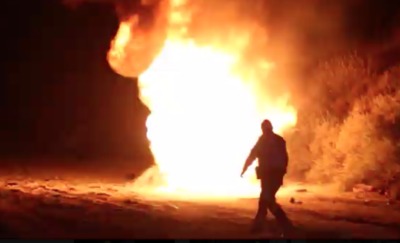
The landfill lost its permit to keep accepting waste in 2024 and has been closed to waste disposal since Jan. 1, 2025. But the site remains active and under regulatory orders from an alphabet soup of local, state and federal agencies, which have spent years trying to address — and pin down the cause of — an underground reaction at the site.
An elevated temperature event dozens of feet underground is causing the affected area to gradually expand as the landfill continues to resettle, while also daily generating hundreds of thousands of gallons of leachate, a foul-smelling liquid byproduct.
Recent developments have raised concerns not just about odor, but about how the landfill is managing that leachate, which is stored and treated on site before being trucked away.
The landfill’s next regulatory hearing is before the South Coast Air Quality Management District Hearing Board, set for Oct. 21-22 in Diamond Bar.