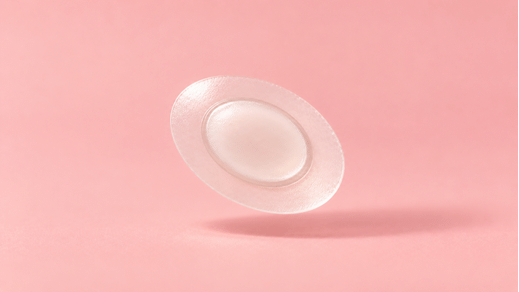
Hydrocolloid patches, such as Rael’s Miracle Patch Invisible Spot Cover, work by absorbing fluid from a surfaced blemish and forming a protective barrier over it. As the material absorbs moisture, it swells into a gel and turns white or cloudy. The patch also helps keep you from touching or picking at the spot while your skin heals.1
Understanding how hydrocolloid patches work can help you choose the right one and use it effectively. Here’s what they do, which blemishes they work best on, and how to apply them for the best results.
So what is a hydrocolloid patch?
Hydrocolloid is a soft, gel-like material that soaks up moisture. It’s not new. It was originally used in medical bandages to cover wounds and keep them protected while skin heals. Pimple patches borrow that same idea and shrink it down to a small, thin circle made for one blemish at a time.2
Think of it as a tiny bandage for your pimple, with a bonus: instead of just sitting there, the material actively takes in moisture from the surface of the skin.
How hydrocolloid patches work on a blemish
When you put a patch over a pimple that has come to a head, like a whitehead or a pimple that’s already surfaced, three things happen:
- It absorbs. The hydrocolloid draws in the fluid sitting at the surface of the blemish.
- It protects. The patch covers the spot, so dirt and bacteria are less likely to get in and your hands stay away.
- It stops the picking. This one is underrated. Picking is what turns a small pimple into a red mark that lingers for weeks. A patch makes picking very hard.
Together, that creates a calm, covered environment where your skin can do its own repair work without you interfering.
A Hydrocolloid patch made to blend in
Rael’s Miracle Patch Invisible Spot Cover is a hydrocolloid patch in its lineup, designed for daytime wear on surfaced blemishes and whiteheads. A few things make it easy to use:
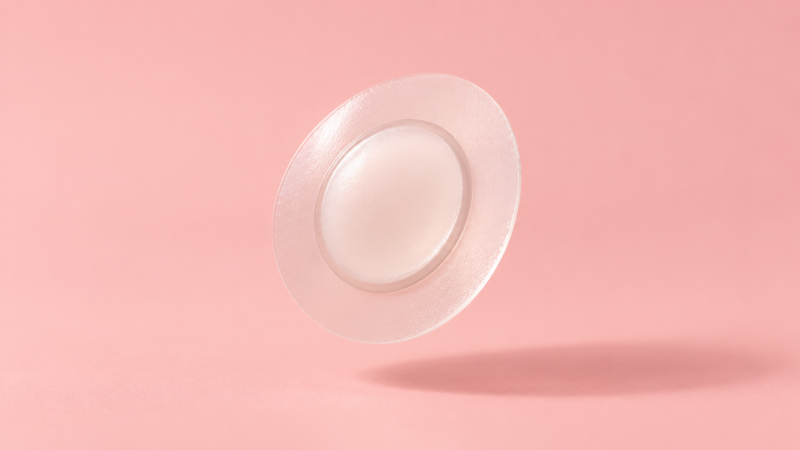
- It’s clear with a matte finish and a thin, tapered edge, so it blends into your skin instead of showing up as a white dot.3
- It comes in two sizes (10mm and 12mm), so you can match the patch to the pimple.4
- It’s dermatologist tested and latex-free.5
- It has a simple ingredient list: hydrocolloid, with no added actives.6
Its discreet design makes it easy to wear to work, to dinner or to the gym. Rael suggests keeping it on for about 4 to 8 hours.7
Why does the patch turn white?
If you wear a patch for a few hours and find it looks cloudy or white, that’s a good sign. It means the hydrocolloid has absorbed fluid and swelled up, the same way a gel changes when it takes on water.
It doesn’t mean the patch “pulled the pimple out” or “detoxed” your pore. It’s simply holding the fluid that was already at the surface. That’s also why a patch that stays clear isn’t necessarily broken. Usually there just wasn’t much fluid to absorb, or the patch didn’t get a good seal (more on that below).
Which blemishes do patches work best on?
Hydrocolloid patches work best on blemishes that have come to the surface: whiteheads, and pimples that have come to a head or have already opened. That’s where there’s something for the patch to absorb and a surface for it to protect.
They do much less for deep, painful bumps that sit under the skin, because there’s nothing at the surface to absorb. A patch can still act as a physical barrier that keeps you from touching the spot, but don’t expect the same satisfying white-filled result you’d see on a whitehead.
It’s also worth remembering what patches don’t do. They don’t unclog pores, they don’t reduce oil, and they won’t stop new breakouts from forming. They’re a tool for the pimple you have right now, not a full acne routine.
How to use a hydrocolloid patch
The patch can only work if it stays put, so application matters more than you’d think.
- Start with clean, dry skin. A patch won’t stick to damp or oily skin.
- Pat off extra moisturizer around the pimple so the edges can grip.
- Press the patch on gently and smooth down the edges so it lies flat.
- Leave it on for the time on the package. For Rael’s Invisible Spot Cover, the recommended wear time is 4–8 hours.
- Peel it off and leave the skin alone. Don’t pop or pick what’s underneath.
Day patches, night patches and everything in between
Not every pimple needs the same kind of patch, and Rael builds its Miracle Patch line around the idea that blemishes change over time. Along with the Invisible Spot Cover for daytime, the line includes an Overnight Spot Cover made with extra adhesive so it stays on while you sleep, and options for early-stage blemishes and for clusters. Rael also makes a patch aimed at the dark marks that can linger after a blemish has healed.8
If you’re new to patches, start simple with one clear daytime option and see how your skin responds. You can build from there.
Patches vs. other acne treatments
A hydrocolloid patch isn’t a replacement for the active ingredients in other acne products. Ingredients like salicylic acid and benzoyl peroxide work in the skin to help clear pores and reduce acne-causing bacteria. A patch works on the surface and shields the pimple.
The two can work well together: a treatment as part of your regular routine for the bigger picture, and a patch as your go-to for the occasional pimple that has already surfaced. If you use strong actives, apply the patch to bare, dry skin so it can stick.
The bottom line
Hydrocolloid patches work by absorbing fluid from a surfaced blemish, protecting it, and keeping your hands away while your skin does its thing. They’re simple, inexpensive and surprisingly satisfying to peel off. For a clear, barely-there option you can wear in daylight, the Rael Invisible Spot Cover is a good place to start.
Frequently asked questions
How do hydrocolloid patches work on pimples?
Hydrocolloid patches work by absorbing the fluid sitting at the surface of a blemish. The gel-like material takes in that moisture, covers the spot like a tiny bandage, and keeps your fingers away so your skin can heal without interference.
How do hydrocolloid patches work, and how do I know mine is working?
The easiest sign is color. As the patch absorbs fluid, it turns white or cloudy, which tells you the hydrocolloid has taken in moisture from the blemish. Once it looks white and puffy, or once it reaches the wear time on the package, it’s ready to come off.
How do hydrocolloid patches work during the day if I don’t want anyone to see them?
Look for a clear patch with a thin, tapered edge that blends into your skin. Rael’s Miracle Patch Invisible Spot Cover is designed for exactly that. It’s a hydrocolloid patch with a clear, matte finish, so you can wear it to work or out with friends while it does its job. Rael suggests wearing it for about 4 to 8 hours.
DISCLAIMER: No part of the article was written by The Signal editorial staff.