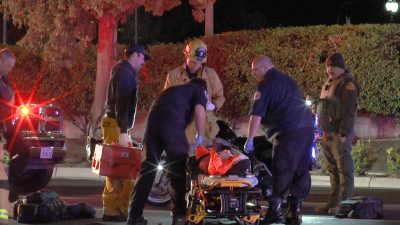
Most people never expect their commute or school run to end with a tow truck and a police report. One moment you are waiting for a light to change, and the next you are trading insurance details on the shoulder with your heart racing. A car accident brings sore muscles, repair bills and phone calls from adjusters all at once. Knowing what matters most in the days that follow can spare you a great deal of stress, wasted time and avoidable disputes with insurers later on.
The decisions you make early tend to shape everything that comes later, from medical coverage to any claim against the other driver. Evidence is easiest to gather while it is fresh, and small gaps in records can become large problems months down the road. Injured drivers, passengers and pedestrians all face their own version of this challenge. The sections below walk through the practical points that tend to matter most this year.
Why Medical Care and Records Come First
The single most important step after a car accident is getting checked by a medical professional, whether or not anything hurts yet. The shock of a collision can blunt soreness for hours, and concussions or soft tissue strains often surface a day or two later, usually after you have assured everyone you were okay. A prompt visit to an emergency room, urgent care clinic or your own doctor creates a dated link between the crash and your symptoms. Florida’s personal injury protection coverage generally requires treatment within 14 days for those benefits to apply, so waiting can cost you.
As highlighted by the Weston & Pape legal team based in Sunrise, Florida, solid medical documentation and a clear picture of fault often decide how a claim unfolds. Photos of the vehicles, skid marks, traffic signals and visible injuries all help tell that story, especially when the other driver remembers events differently than you do. Traffic across Broward County is heavy at rush hour, and stop-and-go stretches of I-595 leave little margin for a driver who glances at a phone. A police report and the names of witnesses round out the picture for insurers and attorneys alike.
How Insurance Conversations Can Shape Your Claim
Many Sunrise residents are caught off guard by how quickly an adjuster calls after a crash. It is sensible to share only basic facts and avoid guessing about speed, distance or who caused the collision. Recorded statements can later be used to minimize an injury or shift part of the blame onto you. Before you sign any release tied to a car accident, make sure you know which rights you are giving up.
Florida’s no-fault system means your own policy pays first for certain medical bills and lost wages, regardless of who caused the crash, a different starting point from California, where a Santa Clarita driver usually turns to the at-fault driver’s insurer from the beginning. Serious injuries, however, can open the door to a claim against the at-fault driver for losses that coverage does not reach. The state shortened the deadline for most negligence claims to two years in 2023, which leaves less room for delay than many people assume, particularly when treatment stretches on for months. Liability also grows more complicated when several vehicles, a delivery truck or a pedestrian are involved.
Familiar Roads and Everyday Risks
Plenty of collisions happen on routes people drive every day without a second thought. Commuters passing through Lauderhill deal with frequent signals, turning traffic and busy plaza entrances that make rear-end and side-impact crashes common during the morning and evening rush. Familiar streets breed a quiet complacency, and that is often the moment a driver reaches for a phone. A car accident on a short errand can be every bit as serious as one on a long highway drive.
Night driving and holiday travel bring extra hazards of their own. Lower visibility, impaired drivers and visitors who do not know the area all raise the odds of a serious crash, especially on wide, fast arterial roads with long gaps between crosswalks. Leaving more following distance, silencing your phone and planning your route ahead of time are simple habits that reduce that risk. If a collision still happens, those same habits make it easier to describe events clearly afterward.
Pedestrians and Passengers Have Rights Too
People inside the car are not the only ones hurt when traffic goes wrong. Walkers and cyclists in Victoria Park, a leafy residential neighborhood with plenty of foot traffic, face real danger when drivers turn without looking or roll through crosswalks. A pedestrian struck in a car accident often suffers far worse injuries than anyone behind the wheel. For them, medical records from the very first visit carry just as much weight.
Passengers also keep their rights after a crash, even when the driver is a relative or close friend. Depending on the circumstances, they may be able to draw on their own coverage or the policies of the drivers involved. Saving medical bills, prescriptions and notes about missed work helps show how the injury affected daily life, from household chores to sleep and time with family. Asking questions early heads off unpleasant surprises once the claims process is underway.
Preparation That Makes a Hard Day Easier
Nobody plans a car accident, but a few minutes of preparation can make the aftermath far more manageable. Keep your insurance card, a phone charger and a small first aid kit in the glove box at all times. Families who regularly drive Nob Hill Road for school and work can also store emergency contacts and medical details in their phones for responders. Those small habits cost almost nothing and pay off when they are needed most.
If you are hurt, put your health first and keep every record connected to the crash in one place. Stay careful in conversations with insurers, and do not let anyone hurry you into a settlement before the full extent of your injuries is clear. A trusted legal advocate can help you weigh your choices and pursue fair payment for medical costs and lost income. Taking these points seriously gives you the strongest footing for both physical and financial recovery in the months ahead.