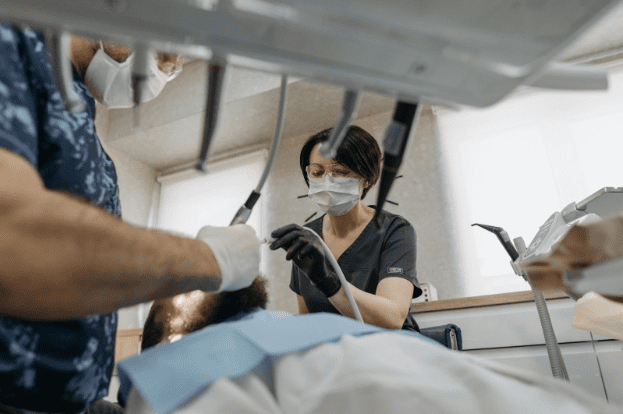
If you want to maintain healthy teeth and gums over the years, preventative dentistry plays an essential role. By scheduling regular cleanings and check-ups, you can catch issues like cavities or gum disease early, avoiding more complicated treatments later. Understanding how these simple steps protect your oral health might change the way you approach dental care and help you avoid costly problems down the line.
Regular Dental Cleanings to Prevent Tooth Decay
Regular dental cleanings play an essential role in preventing tooth decay by removing plaque and tartar buildup that you can’t eliminate with daily brushing and flossing alone. When plaque hardens into tartar, it becomes a breeding ground for bacteria that cause decay and inflammation. By attending routine cleanings, you reduce this risk considerably and reinforce the value of comprehensive preventive dentistry services in Springfield. Additionally, these cleanings help manage tooth sensitivity by addressing early signs of enamel erosion and gum recession, which can expose sensitive tooth areas. Maintaining consistent dental hygiene habits, combined with professional cleanings, supports the health of your teeth and gums, helping ensure long-term oral comfort and stability.
Early Detection of Gum Disease
Although gum disease often develops silently, early detection is essential to prevent serious oral health complications. You might not notice gum disease symptoms until the condition worsens, so regular dental visits are vital. Identifying issues early allows your dentist to recommend effective treatment options before the disease advances.
Key benefits of early detection include: 1. Prompt identification of gum inflammation or bleeding 2. Minimizing tissue damage and bone loss 3. Access to less invasive treatment options 4. Improved long-term oral health outcomes
Reducing the Risk of Tooth Loss
When you take proactive steps in your dental care, you greatly lower the chances of tooth loss caused by decay, gum disease, or injury. Maintaining excellent periodontal health is essential, as gum disease is a leading cause of tooth loss. Regular dental checkups allow for early detection and treatment of issues before they progress. You can also prevent damage by following good oral hygiene practices, including brushing twice daily and flossing. If tooth loss does occur despite these efforts, understanding tooth replacement options like implants, bridges, or dentures is important to restore function and aesthetics. Prioritizing prevention helps you avoid the discomfort and complications associated with tooth loss while preserving your natural smile for years to come.
Saving Money on Future Dental Treatments
By focusing on preventative dentistry, you can greatly reduce the need for costly procedures down the line. Early detection of dental issues allows for simpler, less expensive treatments before problems escalate. This approach also helps minimize emergency visits, saving you both time and money.
Reducing Costly Procedures
Since dental treatments can quickly become expensive, taking preventative measures helps you avoid costly procedures down the line. By investing in cost effective solutions early, you minimize the risk of extensive dental work later. Preventive measures focus on maintaining oral health to reduce the need for complex treatments.
Here are key ways preventative dentistry reduces costly procedures:
- Regular cleanings prevent plaque buildup, lowering decay risk.
- Sealants protect teeth from cavities without invasive work.
- Fluoride treatments strengthen enamel, reducing sensitivity and damage.
- Education on proper oral hygiene supports lifelong dental health.
Early Problem Detection
Detecting dental issues early can save you significant expenses on future treatments. Early detection through regular dental screenings allows your dentist to identify problems such as cavities, gum disease, or enamel erosion before they worsen. Addressing these concerns promptly often means simpler, less costly procedures rather than extensive restorative work. By committing to scheduled dental screenings, you not only maintain your oral health but also avoid the financial strain associated with advanced dental problems. Early detection means you can take proactive steps, reducing the likelihood of complex treatments like root canals or crowns. Prioritizing preventative care empowers you to protect both your smile and your wallet, ensuring long-term oral health without unexpected, high-cost interventions.
Minimizing Emergency Visits
Although dental emergencies can happen unexpectedly, regular preventative care greatly reduces their frequency. By maintaining routine check-ups and cleanings, you minimize the risk of sudden issues that require urgent attention, easing dental anxiety and promoting emergency preparedness. Here are four key benefits of preventative dentistry to help you avoid emergency visits:
- Early detection of cavities and gum disease prevents severe complications.
- Professional cleanings remove plaque buildup that can lead to infections.
- Personalized oral hygiene advice helps you maintain healthy teeth at home.
- Timely treatment of minor issues stops them from becoming emergencies.
Maintaining Fresh Breath and Oral Hygiene
To keep your breath fresh and maintain ideal oral hygiene, it is vital to commit to daily oral care routines. Addressing bad breath effectively involves more than just brushing; flossing plays an important role in removing hidden debris and bacteria. By understanding these habits, you’ll support both your oral health and confidence.
Daily Oral Care
When you commit to daily oral care, you’re not only keeping your breath fresh but also greatly reducing the risk of dental issues like cavities and gum disease. Establishing consistent daily routines is essential for maintaining peak oral hygiene. To guarantee effectiveness, focus on these key practices:
- Brush your teeth at least twice a day with fluoride toothpaste.
- Floss daily to remove plaque and food particles between teeth.
- Use an antiseptic mouthwash to reduce bacteria and freshen breath.
- Maintain a balanced diet, limiting sugary snacks and drinks.
Tackling Bad Breath
Keeping up with daily oral care not only protects your teeth and gums but also plays a significant role in preventing bad breath. By identifying causes such as poor oral hygiene, dry mouth, or certain foods, you can address the root of the problem effectively. Effective remedies include regular brushing with fluoride toothpaste, tongue cleaning, and using an antibacterial mouthwash to reduce odor-causing bacteria. Staying hydrated and avoiding tobacco products also helps maintain fresh breath. If bad breath persists despite these efforts, consulting your dentist is essential to rule out underlying health issues. Taking these preventive steps guarantees you maintain peak oral hygiene and enjoy long-lasting fresh breath, enhancing your overall confidence and well-being.
Importance of Flossing
Although brushing is essential, flossing plays a crucial role in maintaining fresh breath and overall oral hygiene by removing plaque and food particles stuck between teeth where a toothbrush can’t reach. Understanding proper flossing techniques guarantees you maximize flossing benefits, such as reducing gum inflammation and preventing cavities. To improve your flossing routine, focus on:
- Gently sliding floss between teeth without snapping.
- Curving floss around each tooth in a C-shape.
- Moving floss up and down along the tooth surface.
- Using fresh floss for each tooth space.
Consistent, correct flossing helps you maintain healthier gums, reduces bad breath, and supports long-term oral health. Incorporating these methods into your daily routine complements brushing and professional dental care effectively.
Strengthening Teeth With Fluoride Treatments
Since fluoride is a proven mineral that strengthens tooth enamel, fluoride treatments play an essential role in preventing decay and cavities. When you receive fluoride applications during your dental visits, the fluoride penetrates your tooth enamel, making it more resistant to acid attacks from plaque bacteria and sugars. This enamel strengthening helps repair early decay before it becomes a cavity, reducing your risk of more extensive dental work. Fluoride treatments are especially beneficial if you have a history of cavities, sensitive teeth, or limited fluoride exposure. Your dentist or hygienist will tailor the frequency and type of fluoride applications to your specific needs, ensuring maximum protection. By incorporating these treatments into your preventative care, you actively enhance your long-term oral health and maintain stronger teeth.
Educating Patients on Proper Oral Care Techniques
When you understand the proper oral care techniques, you can greatly reduce your risk of dental problems and maintain a healthier smile. Patient education plays an important role in promoting effective oral hygiene habits. By learning the right methods, you guarantee long-term oral health. Key components include:
- Brushing twice daily with fluoride toothpaste using gentle, circular motions.
- Flossing daily to remove plaque and food particles between teeth.
- Using mouthwash as recommended to reduce bacteria and freshen breath.
- Scheduling regular dental check-ups for professional cleanings and personalized advice.
This targeted patient education empowers you to take control of your oral hygiene, preventing complications and supporting the benefits gained from preventative dentistry in Springfield.
Preventing the Development of Cavities
If you want to maintain a healthy smile, preventing the development of cavities is essential. Cavity prevention starts with understanding how bacteria and sugary foods contribute to tooth decay. Through dental education, you learn effective brushing and flossing techniques that eliminate plaque buildup. Regular dental check-ups allow early detection and intervention, reducing the risk of cavities progressing. Additionally, your dentist may recommend fluoride treatments or dental sealants to strengthen enamel and protect vulnerable areas. By incorporating these preventive measures into your routine, you considerably reduce the chances of decay and costly restorative procedures. Emphasizing cavity prevention empowers you to take control of your oral health and sustain a vibrant smile for years to come.
Enhancing Overall Health Through Oral Care
Preventing cavities is just one part of maintaining your oral health; caring for your teeth and gums also plays a significant role in supporting your overall well-being. The oral systemic connection means that oral health impacts conditions throughout your body, so preventative dentistry offers holistic health benefits beyond your mouth. By prioritizing oral care, you can:
- Reduce inflammation that may contribute to heart disease.
- Lower your risk of diabetes complications linked to gum disease.
- Prevent respiratory infections caused by bacteria from the mouth.
- Support pregnancy health by minimizing risks associated with periodontal issues.
Understanding this connection empowers you to take proactive steps in oral care, enhancing not only your smile but your long-term systemic health as well.
Building a Long-Term Relationship With Your Dentist
When you maintain consistent visits, your dentist can better monitor changes and catch issues early. This ongoing relationship allows for personalized treatment plans tailored to your unique needs. Building trust with your dentist ultimately supports more effective and proactive oral care.
Consistent Care Benefits
Anyone who prioritizes their oral health knows the value of consistent dental care. When you maintain regular visits, you benefit from ongoing preventative measures that safeguard your oral wellness. Building a steady relationship with your dentist helps catch issues early and guarantees your treatment aligns with your evolving needs. Here are four key benefits you’ll experience with consistent care:
- Early detection of dental problems, reducing the need for extensive treatments.
- Customized advice on daily oral hygiene, improving long-term outcomes.
- Enhanced monitoring of oral health changes over time.
- Increased comfort and trust during visits, making care less stressful.
Staying committed to regular appointments empowers you to maintain peak oral wellness through proactive, tailored preventative care.
Personalized Treatment Plans
Although regular dental visits are essential, the true advantage lies in developing personalized treatment plans tailored specifically to your needs. By utilizing customized diagnostics, your dentist can accurately assess your unique oral health status, identifying potential issues before they become serious. This precise information allows for tailored strategies that address your specific risk factors, lifestyle, and dental history. When you build a long-term relationship with your dentist, these plans evolve with you, ensuring ongoing prevention and care. Personalized treatment plans not only enhance the effectiveness of preventative dentistry but also empower you to take control of your oral health. Ultimately, this approach supports sustained dental wellness and reduces the likelihood of costly, invasive procedures down the line.
Frequently Asked Questions
How Often Should I Schedule a Dental Checkup in Springfield?
You should schedule your dental appointment every six months to maintain ideal checkup frequency. This routine helps detect issues early, ensuring long-term oral health and reducing the risk of costly treatments in Springfield’s dental care environment.
Are Preventative Dental Treatments Covered by Insurance Plans?
Yes, many insurance plans offer coverage for preventative dental treatments, helping reduce your treatment costs. However, coverage varies, so you should review your specific insurance policy to understand which preventative services are included.
What Age Should Children Start Receiving Preventative Dental Care?
You should schedule early dental visits by your child’s first birthday to establish good childhood oral hygiene habits. Starting this early helps prevent issues and promotes long-term oral health through consistent preventative care.
Can Diet Impact the Effectiveness of Preventative Dentistry?
Yes, dietary influences can impact preventative dentistry’s effectiveness. When you receive nutrition education, you’re better equipped to make choices that support oral health, enhancing treatments and reducing risks of decay or gum disease over time.
How Do I Choose the Right Toothbrush for Preventative Care?
You should choose a toothbrush type based on your gum sensitivity; softer bristle firmness is ideal for gentle cleaning, while medium bristles suit healthy gums. Consider electric or manual options for effective preventative care tailored to your needs.