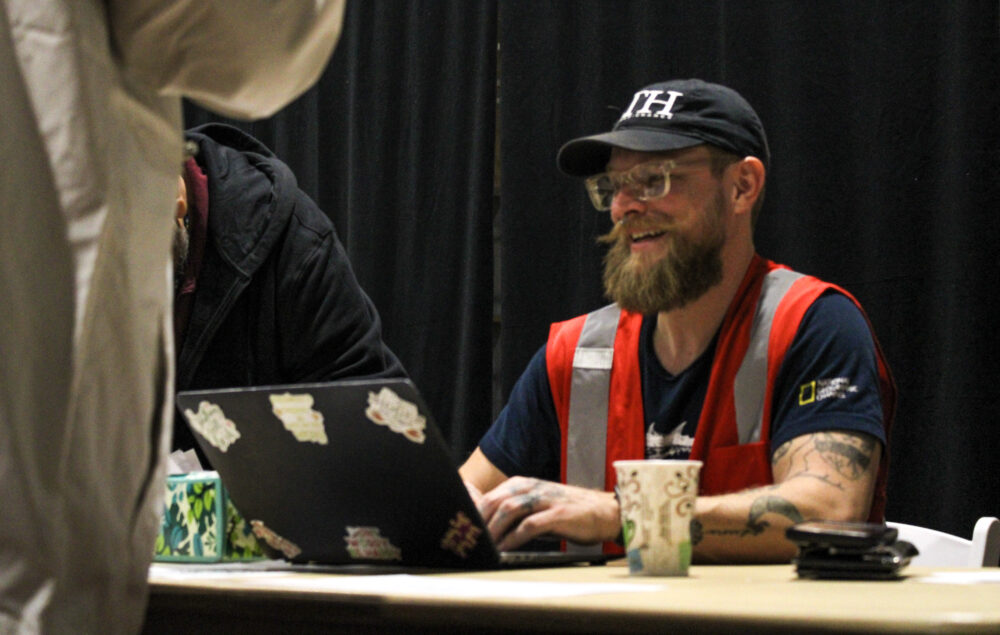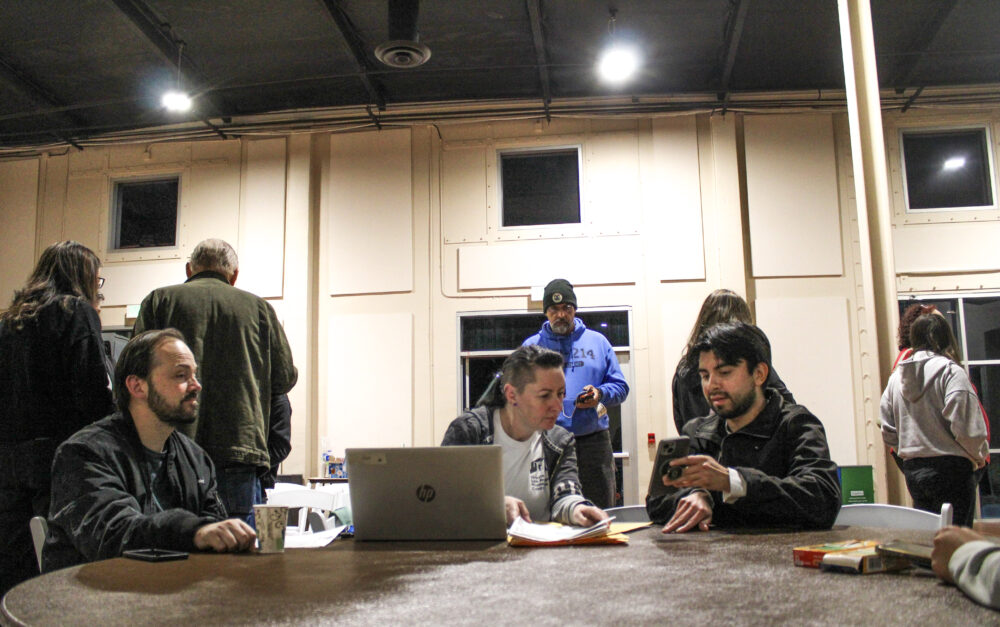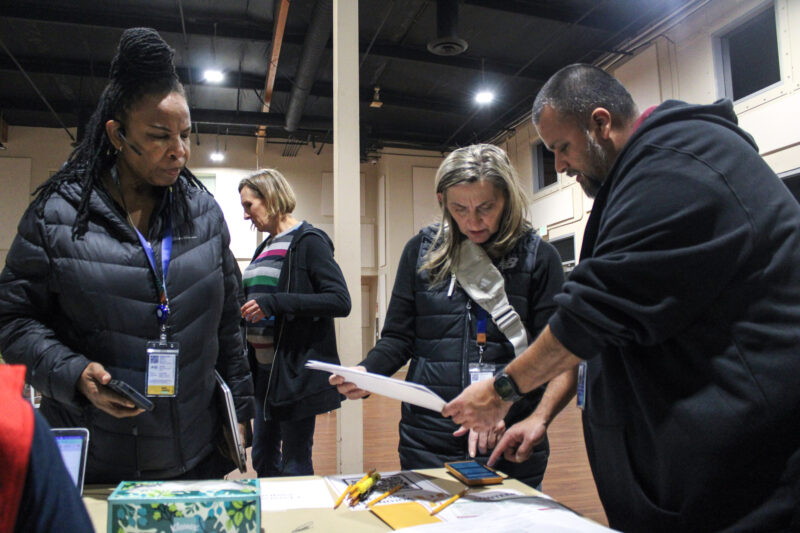
The Los Angeles County Homeless Services Authority’s annual homeless count began Tuesday night, with thousands of volunteers spreading throughout the county, including in Santa Clarita, to complete the largest count of its kind in the country.
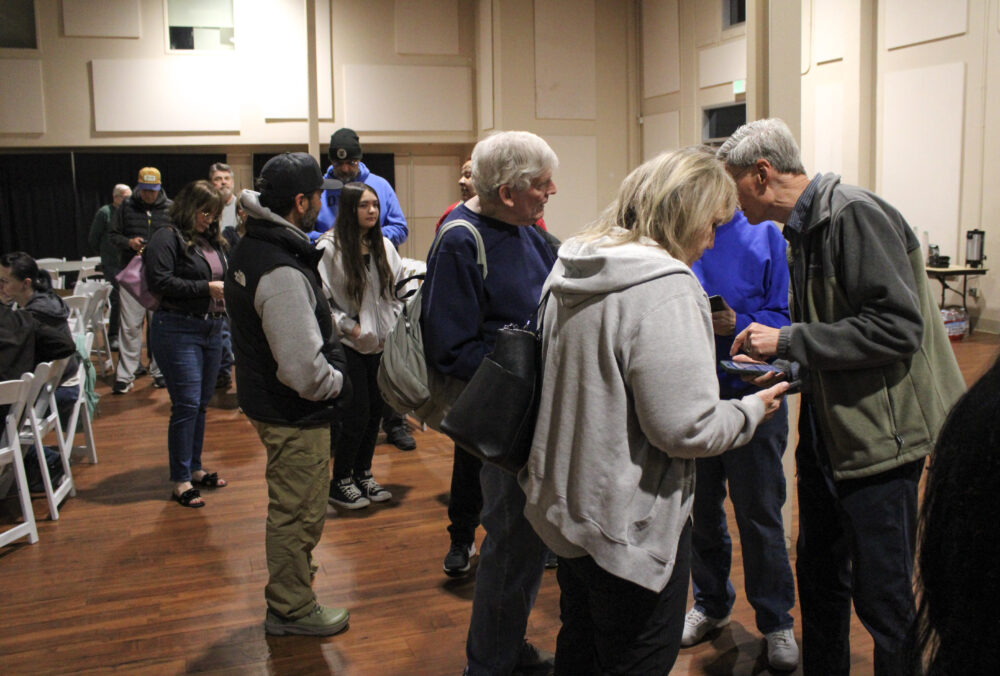
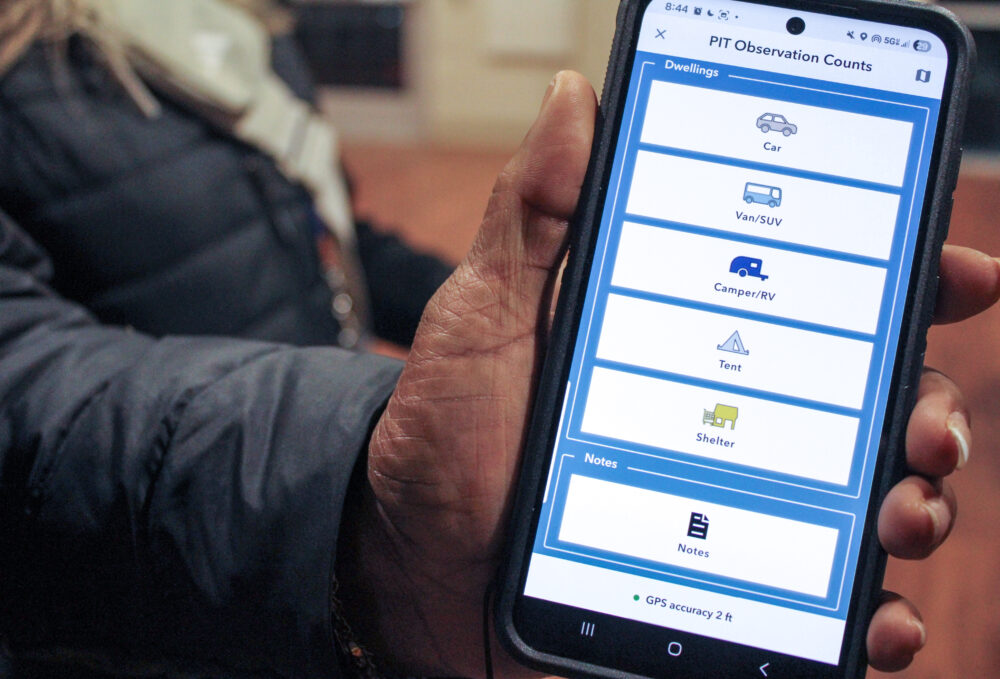
There were 34 total count volunteers gathered at Santa Clarita’s activities venue The Centre on Tuesday night, and after being assigned to small teams each was given between three and five tracts of the city to cover, keeping track of the homeless people seen in those areas with the ArcGIS QuickCapture app.
Count coordinators and L.A. County Sheriff’s Department deputies conducted a homeless count in the Santa Clara riverbed earlier that day, said Heather Varden, LAHSA community relations coordinator.
The count, a “point-in-time snapshot” according to LAHSA, provides significant data on the state of homelessness in disparate areas of the county, excluding Long Beach, Glendale and Pasadena, which hold their own counts.
That data is designed to help government-led homeless services determine appropriate levels of funding for the level of need that exists in each area.
For volunteer counters and employees of the local nonprofit Bridge to Home – who along with the city of Santa Clarita participate in putting the count together each year – those funding needs were top of mind Tuesday night.
“I think it’s important that the homeless population be seen. It’s often the homeless population doesn’t get purposely looked at and acknowledged,” said Santa Clarita site coordinator Tyson Pursley. “The homeless count does exactly that … (seeing) who needs resources so we can accurately allocate them.”
Kathy Christianson, who’s been volunteering with Bridge to Home for the past year, echoed that sentiment, adding that the count is also important for tracking the progress of homelessness intervention.
“If you don’t have an accurate count, and people don’t understand the magnitude of the problem, and they’re not funding … the resources to get people housing, and to feed people and that kind of thing, it’s really a disaster,” Christianson said. “So I think the count is very important, absolutely, and also to see … ‘Are we making progress, are we making a dent in it?’”
Six months ago, LAHSA reported that the 2025 homeless count revealed a 4% drop in homelessness throughout L.A. County, the second year in a row the county has seen reduced homelessness.
Yet the nature of homelessness seems to have changed more than levels of homelessness overall: LAHSA also reported unsheltered homelessness had dropped by about 9.5%, while sheltered homelessness was up 8.5% across the county.
How that’s changed in the past six months won’t be known until the results of the count come in, around late spring or early summer, according to LAHSA.
Marcella Lozano and Adriana Romero, employees with the homelessness-combatting nonprofit People Assisting the Homeless in Los Angeles, said they were still seeing the signs of it in Los Angeles County.
“I’m starting to see more RVs lined up on the streets, a lot more trash,” Romero said. “So that’s how you know that it’s active. Homelessness out there is really active. And I feel like out here (in Santa Clarita), same thing.”
Romero said that some of the existing barriers for matching homeless people with much-needed services are difficult to address.
“At least with homeless veterans, some of them, even though they’re homeless, and … you can see that they need it, their pride (gets in the way),” Romero said. “It’s like a pride thing, where they don’t want the help.”