If you’re facing endometriosis surgery, finding the right surgeon in New Jersey is essential to your recovery and long-term health. You’ll want someone with proven expertise, specialized training, and a clear understanding of your unique needs. But how do you separate experienced surgeons from the rest? Understanding what credentials to prioritize and which questions to ask can make all the difference in your care journey. Let’s explore what to focus on next.
Understanding Endometriosis and Its Treatment Options
Although endometriosis can be a complex and painful condition, understanding its nature and endometriosis treatment options is essential for managing your health effectively. You need to recognize that symptoms management is key, as pain and other symptoms vary widely among individuals. Recent treatment advancements have expanded your options beyond traditional surgery and hormone therapy, including minimally invasive techniques and personalized medical plans. Knowing these options empowers you to make informed decisions tailored to your specific condition and lifestyle. Managing symptoms effectively often requires a combination approach, addressing pain, inflammation, and fertility concerns. By staying informed about the latest treatment advancements, you can work closely with your healthcare provider to develop a thorough plan that improves your quality of life and helps you regain control over your health.
Importance of Surgeon Experience in Endometriosis Care
When it comes to endometriosis surgery, having a surgeon with specialized training and extensive experience can make all the difference in your outcome. You’ll want someone who understands the complexities of the disease and can navigate delicate tissues with precision. Choosing a surgeon skilled in endometriosis care means you’re more likely to receive effective treatment tailored to your unique condition.
Surgical Expertise Matters
Because endometriosis is a complex condition that can affect multiple organs, your surgeon’s experience directly impacts the success of your treatment and recovery. When you choose a surgeon well-versed in the latest surgical advancements, you’re ensuring they can skillfully navigate intricate cases and minimize complications. Experienced surgeons prioritize patient safety by employing refined techniques that reduce risks and promote faster healing. Their familiarity with various presentations of endometriosis means they can tailor surgical plans specifically to your needs, improving outcomes. You deserve a surgeon who not only understands the disease deeply but also continually updates their skills to provide the safest, most effective care possible. Trusting a seasoned expert is a critical step toward reclaiming your health and quality of life.
Specialized Endometriosis Training
Since endometriosis varies greatly in severity and location, choosing a surgeon with specialized training specifically in endometriosis care is crucial for effective treatment. You need a surgeon well-versed in advanced techniques and surgical innovations tailored to this complex condition. Specialized training guarantees your surgeon understands how to identify and remove endometrial lesions accurately, minimizing damage to surrounding tissues. This expertise reduces the risk of recurrence and improves your chances of pain relief and fertility preservation. Surgeons trained in endometriosis are also adept at managing atypical cases and complications. When you choose a surgeon with this focused background, you’re trusting someone who’s committed to the latest, evidence-based approaches, giving you confidence that your care is in expert hands.
Credentials and Certifications to Look For
Credentials and certifications serve as essential indicators of a surgeon’s expertise and commitment to quality care. When evaluating surgeon qualifications, you should look for board certification in obstetrics and gynecology, as well as additional certification or fellowship training in endometriosis or minimally invasive gynecologic surgery. These certifications demonstrate that the surgeon has met rigorous standards and stays updated on the latest advances. The certification importance lies in ensuring your surgeon has both the knowledge and hands-on experience needed for complex endometriosis cases. Also, verify membership in professional organizations like the American Association of Gynecologic Laparoscopists, which reflects ongoing education and dedication to excellence. Prioritizing these credentials helps you feel confident your surgeon is highly qualified to manage your care effectively.
Specialization in Minimally Invasive Surgery Techniques
You’ll want a surgeon who’s highly skilled in laparoscopic surgery, as it offers precise treatment with smaller incisions and faster recovery. Expertise in robotic-assisted procedures is also valuable because it enhances accuracy and control during complex cases. Choosing someone proficient in these minimally invasive techniques can make a significant difference in your outcome and comfort.
Laparoscopic Surgery Expertise
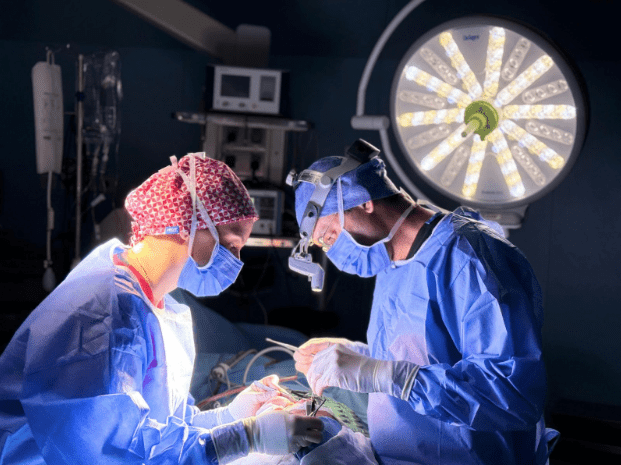
When dealing with endometriosis, having a surgeon skilled in laparoscopic techniques can make all the difference in your treatment experience and recovery. Laparoscopy allows for precise removal of endometrial tissue through small incisions, minimizing trauma to surrounding organs. You want a surgeon who stays current with surgical innovations, ensuring the most effective and least invasive approach. Their expertise reduces risks like scarring and adhesion formation, which can impact fertility and pain levels. A surgeon proficient in these techniques offers quicker recovery times and less postoperative discomfort, helping you return to daily life sooner. When choosing your surgeon, ask about their laparoscopic surgery volume and success rates. Their specialized skills directly influence your treatment outcome and overall well-being.
Robotic-Assisted Procedure Skills
Although laparoscopic surgery has transformed endometriosis treatment, robotic-assisted procedures take minimally invasive techniques to a new level of precision and control. When choosing your surgeon, you want someone skilled in this surgical innovation, as robotic precision allows for enhanced visualization and delicate tissue manipulation. This means your surgeon can navigate complex anatomy more effectively, minimizing damage to healthy tissue and reducing recovery time. Surgeons experienced in robotic-assisted methods offer you the advantage of cutting-edge technology combined with expert technique, which is vital given the complexity of endometriosis. Confirm your surgeon’s proficiency with these advanced tools is well-documented—this specialization directly impacts surgical outcomes and your overall healing process. Trusting a surgeon adept in robotic-assisted procedures guarantees you receive care tailored to your unique needs.
Evaluating a Surgeon’s Track Record and Patient Outcomes
Since choosing the right surgeon can greatly impact your treatment success, it’s essential to carefully evaluate their track record and patient outcomes. You want a surgeon who not only embraces surgical innovations but also prioritizes thorough patient education. Ask about their experience with advanced techniques, such as minimally invasive or robotic-assisted procedures, which often lead to better recovery and fewer complications. Reviewing their success rates in treating endometriosis can give you insight into their expertise. A skilled surgeon will guarantee you fully understand your diagnosis, treatment options, and expected outcomes, empowering you to make informed decisions. By focusing on measurable results and how well they guide patients through the process, you can feel confident your care is in capable, compassionate hands.
Considering Patient Reviews and Testimonials
How can you get a clearer picture of a surgeon’s real-world performance? Patient reviews and testimonials offer invaluable insights beyond clinical data. By exploring firsthand patient experiences, you’ll understand how the surgeon communicates, manages pain, and supports recovery. Look for consistent success stories highlighting symptom relief and improved quality of life—these reflect the surgeon’s true expertise in treating endometriosis. Pay attention to both positive feedback and any recurring concerns to gauge reliability and empathy. Remember, authentic reviews often reveal details that statistics miss, helping you set realistic expectations. Carefully considering patient experiences guarantees you’re choosing a surgeon who not only excels technically but also prioritizes compassionate care tailored to your unique journey with endometriosis.
Accessibility and Location of the Surgical Facility
Beyond understanding a surgeon’s skill and bedside manner through patient reviews, you’ll want to contemplate how easily you can access their surgical facility. Surgical facility accessibility is essential, especially when frequent visits before and after surgery are necessary. You’ll want a location that minimizes travel stress, allowing you to focus on healing. Location convenience can impact your support system’s ability to visit and assist you during recovery. Consider proximity to your home or workplace, parking availability, and public transportation options. A conveniently located facility reduces logistical burdens, making the entire treatment process more manageable. Choosing a surgeon whose surgical facility is accessible not only eases your journey but also guarantees you receive timely and consistent care throughout your endometriosis treatment.
Insurance Coverage and Financial Considerations
Before scheduling surgery, make sure your insurance plan covers the surgeon and facility to avoid unexpected expenses. It’s important to ask for clear information about all potential costs, including surgeon fees, hospital charges, and anesthesia. Understanding these financial details upfront helps you make informed decisions and eases the stress of managing treatment expenses.
Insurance Plan Compatibility
When considering an endometriosis surgeon in New Jersey, have you checked if they accept your insurance plan? Ensuring your surgeon fits within your insurance network options is essential for minimizing out-of-pocket expenses and securing thorough treatment plan coverage. Here’s how to verify compatibility:
- Confirm the surgeon participates in your insurance network.
- Verify that your specific treatment plan is covered under your policy.
- Ask about pre-authorization requirements for surgeries or procedures.
- Inquire if the surgeon’s affiliated facilities accept your insurance.
Taking these steps helps you avoid unexpected costs and focus on receiving expert care without financial stress. Don’t hesitate to contact your insurer or the surgeon’s office directly to clarify insurance compatibility before scheduling any appointments.
Cost Transparency Options
Understanding at least three cost transparency options can empower you to manage the financial aspects of your endometriosis treatment more effectively. First, request a detailed cost breakdown from your surgeon’s office to know exactly what fees you’re facing—surgery, anesthesia, facility, and follow-up care. Second, verify with your insurance provider which treatments and procedures are covered under your plan to avoid unexpected expenses. Third, explore financial assistance programs offered by hospitals or nonprofit organizations; these can greatly reduce your out-of-pocket costs. Don’t hesitate to ask your surgeon’s billing department about payment plans or sliding scale fees tailored to your situation. Being proactive about these cost transparency options guarantees you’re not caught off guard and can focus fully on your recovery.
Questions to Ask During Your Initial Consultation
What key questions should you prepare to ask during your initial consultation with a surgeon specializing in endometriosis? This is your opportunity to clarify your concerns and understand the surgeon’s expertise. Asking the right patient questions guarantees you feel confident about your care plan.
Consider these essential questions:
- What is your experience with advanced endometriosis surgeries?
- How do you determine the best surgical approach for my case?
- What are the risks and expected recovery timelines?
- How do you manage pain and prevent recurrence post-surgery?
Preparing these questions helps you make an informed decision during your initial consultation, ensuring the surgeon’s approach aligns with your health goals and expectations.
Support Services and Multidisciplinary Care Availability
Although choosing the right surgeon is essential, having access to extensive support services and a multidisciplinary care team can greatly enhance your treatment journey. Endometriosis impacts more than just your physical health, so ensuring your surgeon works alongside specialists like pain management experts, physical therapists, and mental health professionals is vital. This integrated approach addresses both symptoms and emotional challenges. You should also ask if the practice offers or can connect you with support groups, where you’ll find understanding and shared experiences that can ease isolation. All-encompassing care means your surgeon values your overall well-being, not just the surgical outcome. Don’t hesitate to prioritize facilities that provide these resources, as they can make a significant difference in managing endometriosis effectively and improving your quality of life.
Frequently Asked Questions
What Is the Typical Recovery Time After Endometriosis Surgery?
You can expect a typical recovery time of 2 to 6 weeks after endometriosis surgery. Proper post operative care is essential, so follow your surgeon’s instructions closely to manage pain and meet realistic recovery expectations.
Can Endometriosis Surgery Affect Fertility?
Yes, endometriosis surgery can affect fertility, but with advanced surgical techniques focused on fertility preservation, your chances improve. Choosing a skilled surgeon guarantees minimal damage, helping protect your reproductive potential while effectively treating endometriosis.
Are There Non-Surgical Alternatives if Surgery Is Not an Option?
Yes, you can manage symptoms with medication options like hormonal treatments and pain relievers, alongside dietary adjustments to reduce inflammation. These alternatives can help if surgery isn’t viable, but always consult your doctor for personalized care.
How Often Does Endometriosis Recur After Surgery?
Endometriosis can recur in 20-40% of cases after surgery. Recurrence factors include incomplete removal and disease severity. Knowing surgery outcomes helps you set realistic expectations and plan ongoing care with your doctor.
What Lifestyle Changes Help Manage Symptoms Post-Surgery?
You should make dietary adjustments by avoiding inflammatory foods and incorporating anti-inflammatory ones. Also, prioritize stress management techniques like meditation or yoga, as they help reduce pain and improve your overall well-being post-surgery.