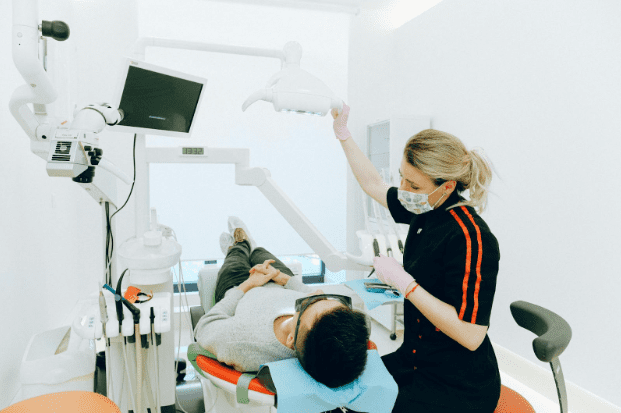
If you’ve noticed persistent bad breath, swollen or bleeding gums, or loose teeth, these could be signs of gum disease requiring periodontal therapy. Receding gumlines and discomfort might indicate chronic inflammation. Increased sensitivity or pus between teeth and gums are potential symptoms of tissue breakdown. Recognizing these signs isn’t just about discomfort; it’s about preventing further issues. Could these symptoms signal something more serious? Discover what they might mean for your oral health.
Persistent Bad Breath
Persistent bad breath, clinically referred to as halitosis, may indicate underlying periodontal issues that require professional intervention. You might not realize it, but halitosis often results from inadequate oral hygiene. When plaque accumulates on teeth due to insufficient brushing and flossing, it becomes a breeding ground for bacteria that release volatile sulfur compounds. These compounds are primary bad breath causes, emphasizing the need for meticulous oral hygiene to prevent them.
Furthermore, if you’re experiencing persistent halitosis, it’s critical to evaluate your oral care routine. Regular brushing, flossing, and professional cleanings are essential. However, chronic bad breath despite good oral practices could signify deeper periodontal concerns. In such cases, a dental professional can provide quality periodontal therapy to assess and treat underlying issues, helping restore gum health and prevent further complications.
Swollen or Bleeding Gums
While persistent bad breath can hint at periodontal problems, another common symptom is swollen or bleeding gums. These conditions often indicate compromised gum health, necessitating attention to oral hygiene. When evaluating your gum health, consider these clinical signs:
- Swelling: Chronic gum inflammation suggests an immune response to bacterial plaque, a precursor to gingivitis.
- Bleeding: Gums that bleed during brushing or flossing indicate underlying inflammation and potential periodontal disease.
- Color Changes: Healthy gums should appear pink; redness may signal an inflammatory process.
- Tenderness: Sensitivity or pain in the gums can denote tissue breakdown and necessitates professional evaluation.
Address these symptoms promptly to improve oral hygiene and prevent further periodontal complications. Early intervention can halt disease progression.
Loose or Shifting Teeth
If you notice that your teeth are becoming loose or shifting, it could indicate underlying periodontal disease. Tooth mobility often results from the destruction of the supporting bone and tissue due to chronic inflammation. Fortunately, evidence-based treatment options like scaling and root planing or surgical interventions can effectively address these issues and stabilize your dental health.
Causes of Tooth Mobility
Tooth mobility, often manifested as loose or shifting teeth, can be attributed to several underlying causes that threaten the integrity of the periodontal structure. Understanding these tooth mobility causes is essential for maintaining oral health. Key periodontal disease factors include:
- Periodontal Disease: Inflammation and infection of the gums can erode supporting bone and tissue, leading to increased tooth mobility.
- Trauma: Physical injuries or excessive force from habits like teeth grinding can weaken periodontal ligaments.
- Bone Loss: Osteoporosis or other systemic conditions can diminish bone density, compromising tooth support.
- Malocclusion: Misalignment of teeth creates uneven forces during biting, contributing to shifting teeth.
Recognizing these causes helps in evaluating your risk for periodontal complications and guides the need for timely dental intervention.
Treatment Options Available
Addressing the causes of tooth mobility is essential for determining effective treatment strategies. When facing loose or shifting teeth, periodontal therapy aims to restore stability. A scaling procedure, often the first step, meticulously removes plaque and tartar from below the gumline, reducing inflammation and halting disease progression. This mechanical debridement is critical in restoring periodontal health. Additionally, laser therapy offers a less invasive option, targeting and eradicating bacteria within periodontal pockets, promoting tissue regeneration, and enhancing healing outcomes. Evidence supports combining these methods for optimal results, improving tooth retention rates. It’s important to consult a periodontist to tailor a treatment plan specific to your condition, addressing underlying causes and ensuring a thorough approach to periodontal rehabilitation.
Receding Gumline
A receding gumline can be an early indicator of periodontal disease, often resulting from factors such as aggressive brushing, genetic predisposition, or inadequate oral hygiene. You’re not without options, as treatments like scaling, root planing, and grafting procedures have shown efficacy in managing receding gums. Understanding the underlying cause is essential in selecting the most appropriate treatment plan tailored to your specific needs.
Causes of Receding Gums
While often overlooked, receding gums are a significant oral health concern that can lead to more serious dental issues if not addressed in a timely manner. Understanding the causes is essential for effective prevention. Several factors contribute to this condition:
- Genetic Predisposition: Some individuals have a natural susceptibility to gum disease due to hereditary factors that affect their oral health.
- Hormonal Changes: Fluctuations in hormone levels, particularly during pregnancy, menopause, or puberty, can increase gum sensitivity, leading to recession.
- Aggressive Brushing: Overzealous brushing techniques can damage the gum tissue, exacerbating recession.
- Periodontal Disease: This chronic inflammatory condition destroys supporting gum tissue and bone, resulting in a receding gumline.
Treatment Options Available
When dealing with a receding gumline, understanding the available treatment options is essential for effective management and prevention of further oral health complications. Scaling options, such as scaling and root planing, are considered the gold standard for removing plaque and calculus beneath the gumline. This procedure effectively halts the progression of periodontal disease by smoothing root surfaces, allowing gums to reattach to teeth. Additionally, laser therapy presents a minimally invasive alternative, targeting the bacteria that contribute to gum recession with precision. Evidence suggests that laser therapy can promote tissue regeneration and reduce inflammation. Both methods aim to restore periodontal health, but your dental professional will tailor the approach based on the severity of gum recession and your specific needs.
Pain or Discomfort in the Gums
Experiencing pain or discomfort in your gums can be a significant indicator of underlying periodontal issues. Persistent gum tenderness often suggests inflammation, potentially due to suboptimal oral hygiene practices. To identify if periodontal therapy is necessary, consider these signs:
- Gum Tenderness: Continuous tenderness might point to an ongoing inflammatory process requiring professional evaluation.
- Bleeding Gums: If your gums bleed during brushing or flossing, it’s vital to assess your oral hygiene routine and seek expert advice.
- Swelling: Noticeable swelling can indicate advanced periodontal disease, necessitating immediate intervention.
- Persistent Pain: Ongoing discomfort or pain, unresponsive to enhanced oral hygiene, should prompt a dental consultation.
Prompt attention to these symptoms can prevent progression to severe periodontal disease, safeguarding oral health.
Changes in Bite or Jaw Alignment
Beyond discomfort in your gums, alterations in bite or jaw alignment may signal the need for periodontal therapy. Bite changes are often indicative of advanced gum disease, where the supporting structures of your teeth are compromised. Such changes can result in occlusal discrepancies, leading to uneven tooth wear or temporomandibular joint disorder (TMJ). Jaw issues may manifest as difficulty in chewing or persistent pain, which can affect your overall oral function. Clinical studies have shown that periodontal disease can cause resorption of the alveolar bone, altering the stability of your jaw and alignment of your teeth. It’s essential to address these symptoms early, as untreated periodontal conditions can exacerbate bite instability and complicate restorative procedures. Seek professional evaluation to determine necessary interventions.
Increased Tooth Sensitivity
Increased tooth sensitivity, often caused by enamel erosion or gum recession, can greatly impact your ability to enjoy hot or cold foods and beverages. This sensitivity might indicate underlying periodontal issues, requiring professional assessment and targeted intervention. Treatment options, such as desensitizing agents or protective sealants, can provide relief and prevent further periodontal complications.
Causes of Tooth Sensitivity
Why does tooth sensitivity occur, and what factors contribute to this uncomfortable condition? Tooth sensitivity often arises when the protective tooth enamel is compromised, leading to nerve exposure. This can make your teeth react painfully to temperature changes or certain foods. Several factors can contribute:
- Enamel Erosion: Acidic foods and beverages can erode tooth enamel, exposing the sensitive dentin layer underneath.
- Gum Recession: As gums recede, the roots of your teeth become exposed, increasing sensitivity due to direct nerve exposure.
- Bruxism: Teeth grinding can wear down enamel, heightening sensitivity.
- Dental Procedures: Certain treatments, like teeth whitening or fillings, can temporarily increase sensitivity by affecting the tooth’s surface and nerve endings.
Understanding these causes aids in identifying appropriate interventions for tooth sensitivity.
Impact on Daily Life
For individuals experiencing heightened tooth sensitivity, the impact on daily life can be substantial and multifaceted. Gum disease often exacerbates this sensitivity, leading to discomfort during routine activities. You may find that consuming hot or cold beverages becomes challenging due to sharp, transient pain, thereby altering your dietary choices. Brushing and flossing, integral to your daily routine, might induce discomfort, potentially leading to compromised oral hygiene practices. This sensitivity can also affect your speech, as air exposure triggers discomfort. Furthermore, heightened sensitivity can interfere with dental appointments, making routine check-ups more uncomfortable. Understanding the connection between gum disease and tooth sensitivity is vital, as it can greatly impede your quality of life and necessitate appropriate periodontal attention.
Treatment Options Available
Recognizing the significant impact heightened tooth sensitivity can have on everyday life, addressing this issue with appropriate treatment options becomes imperative. Effective management strategies focus on identifying underlying periodontal disease and implementing targeted interventions. Consider these evidence-based treatment options:
- Scaling Techniques: Professional cleaning methods remove plaque and tartar, reducing irritation to sensitive areas.
- Laser Therapy: This advanced method targets diseased tissue, promoting healing and reducing inflammation that contributes to sensitivity.
- Desensitizing Agents: Application of fluoride varnishes or specialized toothpaste can fortify enamel, mitigating sensitivity.
- Gum Grafting: For cases of significant recession, this surgical procedure restores gum tissue, protecting exposed tooth roots.
Consult with a dental professional to determine the most suitable approach tailored to your specific condition and enhance your oral health.
Pus Between Teeth and Gums
Occasionally, one might notice a discharge of pus between the teeth and gums, a symptom that can indicate a serious underlying periodontal issue. Pus causes are often linked to bacterial accumulation due to gum infections. When harmful bacteria infiltrate the gum line, the body’s immune response triggers the production of pus as it attempts to combat the infection. This process often leads to inflammation and swelling, exacerbating the condition. It’s important to understand that pus presence is a sign of active infection, potentially leading to periodontitis if untreated. Effective oral hygiene practices and timely dental evaluations are vital in managing these infections. If you observe pus, seek professional assessment promptly to determine the extent of the periodontal disease and appropriate interventions.
Visible Gum Pockets
The presence of visible gum pockets is a clinical indicator of periodontal disease and warrants immediate attention. These pockets, formed by the detachment of the gingiva from the teeth, can harbor bacteria, compromising gum health. Effective dental hygiene is essential in managing these conditions. It’s important to understand the implications of visible gum pockets:
- Depth Measurement: A pocket depth of over 3mm is often a sign of periodontal pathology.
- Bacterial Colonization: Pockets can become a breeding ground for pathogenic bacteria, exacerbating inflammation.
- Progressive Tissue Damage: Untreated pockets may lead to bone loss and tooth instability.
- Treatment Necessity: Professional intervention might be required to restore gum health and prevent further deterioration.
Being vigilant about oral hygiene can prevent complications associated with gum pockets.
Risk Factors and Lifestyle Considerations
While understanding visible gum pockets is critical, it’s equally important to take into account the risk factors and lifestyle choices contributing to periodontal disease. Dietary habits greatly influence gum health. A diet high in sugars and carbohydrates can foster plaque accumulation, exacerbating periodontal conditions. Conversely, nutrient-rich diets, especially those containing vitamins C and D, strengthen gum tissue resilience and immune response. Smoking effects are detrimental, as tobacco use impairs blood flow to the gums, inhibiting healing and increasing susceptibility to infections. The harmful chemicals in cigarettes disrupt the normal oral microbiome, heightening disease risk. Additionally, both smoking and poor dietary habits can undermine the effectiveness of periodontal therapy, complicating treatment outcomes. Prioritizing healthier choices is essential for periodontal health preservation.
Frequently Asked Questions
What Is Periodontal Therapy and How Does It Work?
Periodontal therapy involves scaling techniques to remove plaque and tartar beneath the gumline, promoting gum health and preventing disease progression. You’ll see clinical improvements, as evidence shows reduced pocket depths and restored tissue integrity through professional intervention.
How Is Periodontal Disease Diagnosed by a Dentist?
Your dentist diagnoses periodontal disease through clinical evaluation and diagnostic methods like probing pocket depths, evaluating tissue inflammation, and reviewing radiographic evidence. This precise approach guarantees accurate identification and treatment planning for ideal oral health outcomes.
Can Severe Gum Disease Be Reversed With Treatment?
Severe gum disease can’t be completely reversed, but treatment can effectively manage it. With periodontal therapy, inflammation reduces, pocket depths decrease, and further damage is prevented. Evidence shows treatment’s effectiveness in maintaining healthy gum tissue and bone structure.
Are There Any Home Remedies for Managing Early Gum Disease?
You can manage early gum disease with natural treatments like saltwater rinses and oil pulling. Guarantee rigorous oral hygiene by brushing twice daily and flossing. However, evidence-based effectiveness of these methods requires further clinical validation.
How Often Should I Visit the Dentist for Periodontal Maintenance?
You should schedule dental visits every three to four months for periodontal maintenance. This frequency supports ideal oral hygiene, targeting plaque and tartar buildup, and is based on evidence indicating its efficacy in managing periodontal health.