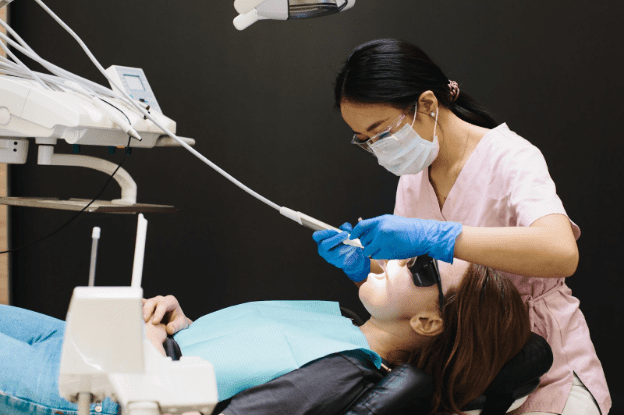
If you’ve been dealing with persistent pain or swelling at the back of your mouth, you might be facing issues with your wisdom teeth. These late-arriving molars can cause discomfort, infections, or even jaw problems if left unchecked. Knowing the signs that indicate when removal is necessary can help you avoid more serious complications. Let’s explore what symptoms shouldn’t be ignored when considering wisdom teeth removal in Chicago.
Persistent Pain or Discomfort at the Back of the Mouth
Although occasional soreness at the back of your mouth can be normal, persistent pain or discomfort near your wisdom teeth often signals a problem. If you’re experiencing ongoing pain, it may indicate that your wisdom teeth are impacted, infected, or causing pressure on adjacent teeth. Ignoring this discomfort can jeopardize your dental health by increasing the risk of infection, damage to neighboring teeth, or the development of cysts. It’s crucial to monitor the intensity and duration of the pain and seek evaluation from a dental professional if it continues. Timely intervention can prevent complications and preserve your overall oral health. Addressing persistent discomfort early guarantees that any necessary wisdom teeth removal is managed effectively and with minimal risk.
Swelling and Tenderness in the Gums
Persistent pain near your wisdom teeth often comes with other symptoms, such as swelling and tenderness in the gums. This inflammation may indicate that your wisdom teeth are impacted or partially erupted, creating pockets where bacteria can thrive. If left untreated, this environment can lead to gum disease, compromising your oral hygiene and overall dental health. You might notice your gums becoming red, swollen, and sensitive to touch, making daily activities like brushing uncomfortable. While maintaining excellent oral hygiene is essential, it may not be enough to prevent infection or discomfort caused by problematic wisdom teeth, making it helpful to understand available wisdom teeth treatment options. If swelling and tenderness persist, a dental professional in Chicago can determine whether removal is necessary to protect your oral health.
Difficulty Opening Your Mouth Fully
When your wisdom teeth cause difficulty opening your mouth fully, it can signal an underlying issue such as inflammation or infection in the surrounding tissues. You might notice jaw mobility issues, making everyday tasks like eating or speaking uncomfortable. These mouth opening challenges often arise because the impacted wisdom teeth exert pressure on the jaw joint or surrounding muscles, limiting their range of motion. If you find yourself struggling to open your mouth wide or experiencing stiffness, it’s essential to consult a dental professional. Addressing these symptoms early can prevent worsening complications and improve your overall oral health. Wisdom teeth removal is often recommended in such cases to alleviate the jaw mobility issues and restore normal function. Don’t ignore persistent difficulty opening your mouth fully—it’s a clear sign to seek evaluation.
Frequent Infections Around the Wisdom Teeth
If you notice persistent gum swelling, recurring bad breath, or painful jaw stiffness around your wisdom teeth, these could be signs of frequent infections. Such symptoms often indicate that bacteria are trapped, causing inflammation and discomfort. Addressing these infections promptly is important to prevent further complications.
Persistent Gum Swelling
Although occasional gum swelling can occur with many dental issues, frequent infections around your wisdom teeth signal a more serious problem that shouldn’t be ignored. Persistent gum swelling often indicates that bacteria and food particles are trapped around partially erupted wisdom teeth, compromising your gum health. This creates a breeding ground for infection, causing discomfort and inflammation that won’t subside with routine dental hygiene alone. If you notice swollen gums that repeatedly flare up despite brushing and flossing, it’s a clear sign you need professional evaluation. Left untreated, these infections can lead to more severe complications, including abscess formation. Consulting a Chicago dental specialist promptly guarantees you maintain ideal gum health while preventing worsening symptoms associated with impacted or problematic wisdom teeth.
Recurring Bad Breath
Persistent gum swelling often goes hand-in-hand with recurring bad breath, especially when frequent infections plague your wisdom teeth. These infections create pockets where bacteria thrive, leading to unpleasant odors that regular brushing may not eliminate. If you notice persistent bad breath despite maintaining good oral hygiene, it could signal an underlying issue with your wisdom teeth. Regular dental checkups are essential for identifying such infections early, allowing your dentist to recommend appropriate treatment or wisdom teeth removal if needed. Ignoring these signs can result in worsening infections and complications. Staying proactive with your oral health, including professional cleanings and evaluations, helps you address recurring bad breath linked to wisdom teeth infections promptly and effectively.
Painful Jaw Stiffness
When frequent infections affect your wisdom teeth, you might experience painful jaw stiffness that limits your ability to open your mouth fully or chew comfortably. This stiffness often results from inflammation and swelling caused by recurring infections around the impacted teeth. To manage discomfort, you can try jaw mobility exercises designed to gently increase your range of motion and reduce stiffness. Additionally, practicing jaw relaxation techniques can help alleviate muscle tension and improve overall jaw function. However, if stiffness persists or worsens, it’s a strong indication that your wisdom teeth may need removal to prevent further complications. Consulting a dental professional in Chicago will guarantee you receive proper diagnosis and treatment, helping restore your oral health and prevent ongoing jaw discomfort.
Bad Breath or Unpleasant Taste in the Mouth
If you notice a bad breath or an unpleasant taste in your mouth that doesn’t go away with regular hygiene, it could be a sign of wisdom teeth complications. Impacted or partially erupted wisdom teeth can trap food and bacteria, leading to infection and inflammation in surrounding gum tissue. These bad breath causes stem from bacterial buildup in hard-to-clean areas around the wisdom teeth. While unpleasant taste remedies like mouthwash or increased brushing may provide temporary relief, they often don’t address the root problem. If these symptoms persist despite good oral care, it’s important to consult your Chicago dentist. Timely evaluation can determine if wisdom teeth removal is necessary to prevent ongoing infection, bad breath, and discomfort, ensuring better oral health and fresh breath in the long term.
Crowding or Shifting of Adjacent Teeth
Although wisdom teeth often erupt without issue, they can sometimes cause crowding or shifting of the adjacent teeth. This can lead to orthodontic concerns and disrupt your overall dental alignment. If you notice your teeth feeling tighter or starting to overlap, it could be a sign that your wisdom teeth are pushing against them. Addressing this early helps maintain your smile’s integrity and prevents more complicated dental problems.
Watch for these signs: – Noticeable crowding or overlapping of your front or back teeth – Difficulty flossing or brushing between crowded areas – Changes in your bite or discomfort when chewing
If you experience any of these, consulting a dental professional in Chicago can help determine if wisdom teeth removal is necessary to preserve your dental alignment.
Development of Cysts or Tumors Near Wisdom Teeth
Since wisdom teeth develop deep within your jawbone, they can sometimes lead to the formation of cysts or tumors nearby. Cyst development occurs when fluid-filled sacs form around impacted teeth, which may cause bone damage or infection if left untreated. Tumor formation, though less common, can also arise in this area and may require prompt intervention to prevent serious complications. If you experience swelling, pain, or notice changes in your jaw, it’s important to consult your Chicago dental specialist. Early detection through dental X-rays can identify cysts or tumors before they cause significant damage. Addressing these issues early often means less invasive treatment and preserves your oral health. Monitoring your wisdom teeth closely helps avoid risks associated with cyst development and tumor formation.
Headaches or Jaw Pain Linked to Wisdom Teeth
If you’re experiencing persistent jaw pain or headaches, your wisdom teeth could be the cause. These symptoms often arise from pressure or infection related to impacted or misaligned teeth. It’s important to recognize when this pain signals a more serious issue requiring professional evaluation.
Causes of Jaw Pain
When wisdom teeth start to emerge, you might experience jaw pain or headaches due to the pressure they place on surrounding teeth and nerves. This discomfort often stems from disruptions in jaw alignment as your mouth adjusts to the new teeth. Poor dental hygiene around these hard-to-reach molars can also lead to infection and inflammation, worsening the pain. Additionally, impacted wisdom teeth that don’t have enough room to grow properly can cause persistent soreness.
Common causes of jaw pain include: – Crowding that shifts your existing teeth out of alignment – Inflammation from trapped food particles and bacteria around wisdom teeth – Stress on the temporomandibular joint (TMJ) due to uneven bite pressure
Addressing these issues early helps maintain proper jaw alignment and overall dental hygiene.
Types of Headaches
Jaw pain caused by wisdom teeth can often be accompanied by different types of headaches, each linked to the pressure and inflammation these teeth create. You might experience tension headaches, which feel like a constant band of pressure around your head, often triggered by muscle strain in your jaw. This strain results from the impacted or misaligned wisdom teeth pressing against surrounding tissues. Additionally, wisdom teeth issues can act as migraine triggers, intensifying or initiating migraine episodes due to nerve irritation and inflammation in the jaw area. Recognizing these headache patterns can help you and your dentist determine whether your wisdom teeth are the source of your discomfort. Addressing these symptoms early with a dental evaluation in Chicago can prevent worsening pain and more complex complications.
When Pain Signals Trouble
Although occasional headaches or jaw discomfort can be common, persistent or worsening pain may signal complications related to your wisdom teeth. If you notice ongoing pain, it’s important to reflect on how your wisdom teeth might be impacting your dental health. These late-emerging molars can cause pressure, inflammation, and misalignment, leading to discomfort that extends beyond just the mouth.
Watch for these signs that pain may be linked to your wisdom teeth:
- Continuous jaw pain or stiffness affecting daily activities
- Recurring headaches centered around the temples or behind the eyes
- Tenderness or swelling near the back of your gums
Recognizing these symptoms early helps you address potential issues before they affect your overall dental health. Consulting with a Chicago dental professional can provide clarity and appropriate treatment options.
Impacted Wisdom Teeth Detected on X-Rays
If you’ve experienced discomfort or swelling near the back of your mouth, an X-ray can reveal whether your wisdom teeth are impacted beneath the gum line. Dental X-rays provide a clear image of your jaw, allowing your dentist to identify impacted teeth that may not be visible during a regular exam. Impacted wisdom teeth can be trapped against neighboring teeth or bone, increasing the risk of infection, pain, and damage to adjacent teeth. Early detection through dental X-rays is essential in determining whether removal is necessary to prevent complications. If your X-rays show impacted teeth, your dentist will discuss appropriate treatment options based on the position and potential risks, helping you maintain ideal oral health.
Noticeable Redness or Bleeding in the Gum Area
If you notice persistent redness or bleeding around your wisdom teeth, it could indicate irritation or infection in the gum tissue. These symptoms often signal that your wisdom teeth may be causing problems that require attention. It’s important to consult your dentist promptly to determine if removal is necessary.
Causes of Gum Redness
When you notice redness or bleeding in your gums, it’s often a sign that something is irritating the tissue. Understanding common gum inflammation causes can help you address the problem before it worsens. Factors like poor oral hygiene, food particles trapped near the wisdom teeth, or an infection can trigger gum redness. Ignoring these signs can lead to discomfort or more serious issues.
To maintain gum health and reduce inflammation, consider these gum health tips: – Brush and floss regularly to remove plaque buildup. – Rinse with an antiseptic mouthwash to reduce bacteria. – Schedule regular dental checkups to monitor wisdom teeth development.
Recognizing the causes of gum redness early helps you decide if wisdom teeth removal might be necessary.
Signs of Gum Bleeding
Although gum bleeding can sometimes seem minor, it often signals an underlying issue that shouldn’t be ignored. If you notice noticeable redness or bleeding around the gum area, especially during brushing or flossing, it may indicate compromised gum health. Poor oral hygiene can lead to plaque buildup along the gumline, causing inflammation and bleeding. You might also experience tenderness or swelling, which further suggests that your gums are struggling. These signs could point to early gum disease or irritation linked to impacted wisdom teeth. Paying close attention to gum bleeding helps you address problems before they worsen. Maintaining consistent oral hygiene is essential, but persistent bleeding might mean your wisdom teeth are affecting your gum health and may require evaluation for removal to prevent further complications.
When to See Dentist
Since noticeable redness or bleeding in your gums can signal more serious dental issues, you shouldn’t delay scheduling a visit with your dentist. Prompt dental evaluations help identify problems related to wisdom teeth or gum infections early on. During your appointment, your dentist will assess the affected area to determine if removal or treatment is necessary.
Be sure to seek professional advice if you experience:
- Persistent redness or swelling around your wisdom teeth
- Bleeding gums during brushing or spontaneously
- Pain or discomfort that disrupts daily activities
Regular check ups allow your dentist to monitor your oral health, preventing complications before they escalate. Don’t wait for symptoms to worsen; timely intervention can save you from more invasive procedures later.
Frequently Asked Questions
How Long Is the Recovery Period After Wisdom Teeth Removal in Chicago?
Your recovery period after wisdom teeth removal typically lasts about one to two weeks. During this time, following post operative care instructions and effective pain management will help you heal comfortably and prevent complications.
Are There Non-Surgical Alternatives to Wisdom Teeth Extraction?
You might explore holistic approaches or dental alternatives like monitoring, antibiotics, or pain management, but these often only delay extraction. Wisdom teeth removal remains the definitive solution when complications arise, ensuring long-term oral health.
What Is the Typical Cost of Wisdom Teeth Removal in Chicago?
You’ll typically pay $200 to $600 per tooth for wisdom teeth removal in Chicago. Many providers accept insurance coverage and offer flexible payment plans, so be sure to check with your dentist to manage costs effectively.
Can Wisdom Teeth Removal Affect Speech or Chewing Abilities?
You might experience temporary speech difficulties or chewing discomfort after wisdom teeth removal, but these usually resolve quickly. If problems persist, consult your oral surgeon to guarantee proper healing and address any complications promptly.
How Do I Prepare for My Wisdom Teeth Removal Surgery?
You should follow a detailed pre surgery checklist, including fasting and arranging transportation. Discuss anesthesia options with your surgeon to choose the best one for you, ensuring a safe and comfortable wisdom teeth removal experience.