When considering a single tooth dental implant in Briarcliff Manor, you’ll find it’s an evidence-based solution that offers unparalleled stability and aesthetics. The procedure involves placing a titanium post into your jawbone, allowing it to integrate naturally over time. This approach not only restores function but also enhances your smile’s appearance. With advanced techniques and personalized care, you might wonder how this transformative process unfolds and what benefits you can expect along the way.
Understanding Single Tooth Dental Implants
The domain of dental restoration can seem complex, but understanding single tooth dental implants simplifies it considerably. When considering implant placement options, it’s vital to note that a single tooth implant involves a titanium post surgically inserted into your jawbone, acting as an artificial root. This option is often favored for its stability and durability compared to traditional bridges or dentures. The implant treatment timeline typically spans several months. Initially, the implant is placed, followed by a healing period where the bone integrates with the implant—a process known as osseointegration. After healing, a custom crown is attached to the implant. This timeline guarantees proper integration and functionality. Each step is meticulously planned to achieve optimal results.
Benefits of Choosing Dental Implants
Opting for dental implants offers a multitude of benefits that considerably enhance oral health and aesthetics. For those seeking affordable dental implants in Briarcliff Manor, this solution provides long-term value by minimizing future dental work. Unlike dentures or bridges, implants integrate with your jawbone, reducing bone loss and preserving facial structure. This method guarantees improved oral function, allowing you to chew efficiently and speak clearly without discomfort or slippage.
The stability of dental implants mimics natural teeth, promoting better oral hygiene by making cleaning easier, consequently lowering the risk of cavities and gum disease. Additionally, implants don’t rely on neighboring teeth for support, preserving their integrity. With these benefits, choosing dental implants becomes a wise investment in both your dental health and overall quality of life.
How a Dental Implant Procedure Works
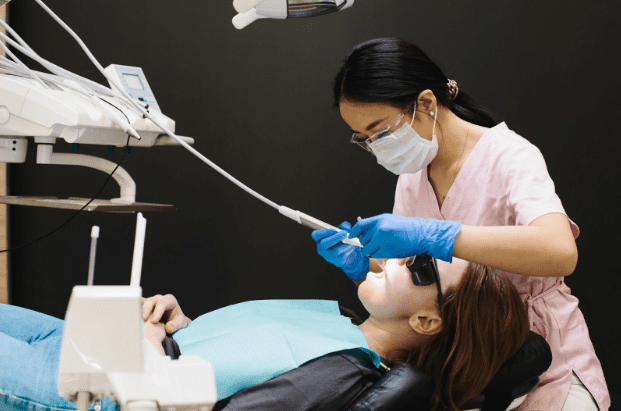
Understanding how a dental implant procedure works can help you appreciate the benefits discussed earlier. The implant placement process begins with a thorough evaluation to guarantee your jawbone can support the implant. During the surgical procedure, a titanium post is inserted into the jawbone, serving as an artificial tooth root. This step is pivotal, as it certifies the stability of the implant. Local anesthesia is typically used to minimize discomfort. After implantation, osseointegration occurs, where the bone fuses with the post, creating a strong foundation. This healing phase can take several months. Once osseointegration is complete, an abutment is attached to the post, followed by the placement of a custom crown, restoring functionality and aesthetics to your smile.
Preparing for Your Implant Procedure
Curious about how best to prepare for your implant procedure? Imperative pre procedure preparation is pivotal for success. First, review your detailed treatment timeline considerations with your dentist. This guarantees you understand each phase and its duration, from consultation to final restoration. Arrange for transportation on the day of surgery, as anesthesia might impair your ability to drive. Discuss any medications or supplements you’re taking; some may need adjustment. Maintain ideal oral hygiene with thorough brushing and flossing to minimize infection risk. Fasting may be required if sedation is planned, so confirm this with your dental team. Finally, stock up on soft foods and prescribed pain management essentials. By meticulously preparing, you’ll enhance your recovery and implant success rate.
What to Expect During the Healing Process
Once your dental implant procedure is complete, the healing process, known as osseointegration, will begin. This essential phase involves your jawbone gradually bonding with the implant, ensuring stability. Pain management is indispensable during this time. You may experience mild discomfort or swelling, typically managed with over-the-counter analgesics such as ibuprofen. Adhering to your dentist’s post-operative care instructions is imperative. This includes maintaining good oral hygiene, avoiding strenuous activities, and following a soft food diet to prevent undue pressure on the implant site. Regular follow-up visits allow your dentist to monitor healing progress closely, ensuring any complications, like infection or implant movement, are promptly addressed. Successful osseointegration is fundamental for the implant’s long-term functionality and stability.
The Role of Technology in Implant Success
Technological advancements have substantially impacted the success rates of dental implants, including those in Briarcliff Manor. Thanks to innovations in implant materials, durability and biocompatibility have improved, reducing the risk of rejection and enhancing osseointegration. You’ll find that these materials often mimic natural tooth structures, providing a more seamless and aesthetic outcome.
Precision implant placement is essential, ensuring implants are positioned accurately to avoid complications like nerve damage or improper loading. Cutting-edge technology, such as 3D imaging and computer-guided surgery, allows for meticulous planning and execution. These tools help dental professionals visualize the implant site in detail, making the procedure safer and more predictable. Ultimately, these technological strides contribute to higher patient satisfaction and long-term implant success.
Maintaining Oral Health With Dental Implants
Maintaining paramount oral health with dental implants is essential for ensuring their durability and efficacy. Proper oral hygiene maintenance is key to preventing peri-implant diseases and ensuring that your long term tooth replacement remains functional and aesthetically pleasing. To achieve this, you should integrate meticulous care routines into your daily habits:
- Brush twice daily with a soft-bristled toothbrush and non-abrasive toothpaste to avoid damaging the implant surface.
- Floss carefully around the implant using unwaxed or implant-specific floss to remove plaque and food particles.
- Regular dental check-ups are vital for professional cleanings and monitoring implant health, ensuring early detection of potential issues.
Addressing Common Concerns and Misconceptions
When considering single tooth dental implants, it’s vital to address common concerns and misconceptions to make informed decisions. One prevalent concern is cost considerations. While implants may seem expensive initially, they offer long-term benefits, including durability and improved oral health, which can offset upfront expenses. It is paramount to evaluate the overall value rather than just short-term costs.
Another misconception involves patient eligibility. Many believe they might not qualify due to age or bone density issues. However, advancements in dental technology have expanded eligibility, allowing more patients to benefit. A thorough assessment by a dental professional can determine your suitability, considering factors like bone health and overall oral condition. Understanding these aspects helps in making a well-informed choice about dental implants.
Finding the Right Dental Professional in Briarcliff Manor
Choosing the right dental professional in Briarcliff Manor can greatly impact the success of your single tooth dental implant. It’s pivotal to ponder local dentist expertise and community dental recommendations to guarantee optimal outcomes. Start by evaluating the dentist’s credentials and experience in implant dentistry, as this directly influences the procedure’s precision and longevity.
- Local dentist expertise: Confirm the dentist’s familiarity with the latest implant technologies and techniques.
- Community dental recommendations: Seek opinions from friends, family, or online reviews to gauge the dentist’s reputation.
- Consultation and communication: Arrange a pre-procedure consultation to discuss your needs and assess the dentist’s communication skills.
These steps will help you make an informed decision, ensuring your dental implant procedure is both successful and satisfying.
Enhancing Your Smile and Confidence
Once you’ve selected the right dental professional, the focus shifts to enhancing your smile and confidence with a single tooth dental implant. This procedure not only restores functionality but also considerably impacts your self-perception. A dental implant mimics a natural tooth, offering stability and durability, thereby eliminating concerns about appearance or speech. Studies indicate that a restored smile contributes to improved self esteem, allowing you to engage socially without hesitation. An implant’s aesthetic appeal leads to elevated self confidence, as it seamlessly integrates with your existing teeth, providing a natural look and feel. As you experience these transformations, you’ll find that the psychological benefits are as profound as the physical enhancements, promoting overall well-being and a positive self-image.
Frequently Asked Questions
How Long Does a Single Tooth Implant Last on Average?
You’re likely wondering about implant durability and longevity. On average, a single tooth implant can last 25 years or more with proper care. Factors like oral hygiene, regular check-ups, and lifestyle habits greatly influence its lifespan.
Are There Any Dietary Restrictions After Getting an Implant?
After getting an implant, you’ll have dietary restrictions to support the implant healing process. Initially, stick to soft foods and avoid hard, sticky, or chewy items. Proper post-procedure care is essential for successful osseointegration and implant longevity.
Can I Have an MRI With a Dental Implant?
You can have an MRI with a dental implant. Modern titanium implants are MRI-safe, ensuring imaging safety. They don’t interfere with scan results and maintain long-term implant stability, so there’s no need for concern about complications.
What Is the Cost Difference Between Implants and Other Tooth Replacement Options?
Implants typically cost more upfront than bridges, but they’re often more durable and require less maintenance over time. Consider long-term affordability; implants might save money compared to frequent replacements or repairs of other options.
How Do Dental Implants Affect the Jawbone Over Time?
Dental implants support bone remodeling by stimulating the jawbone, preventing resorption. They enhance altered mastication efficiency by providing stability and function similar to natural teeth, promoting healthy bone density maintenance over time. This leads to improved long-term oral health.