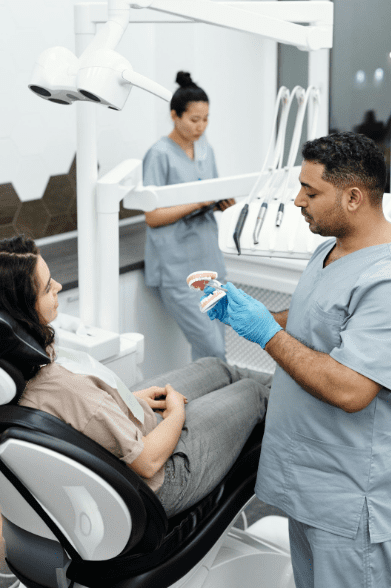
If you’re dealing with persistent jaw pain, swelling near your gums, or trouble opening your mouth, it might be time to see an oral surgeon in St. Augustine. These signs often point to underlying issues like impacted wisdom teeth or TMJ disorders that require specialized care. Ignoring these symptoms can lead to complications, so knowing when to seek expert evaluation is essential for your oral health and comfort. But what specific conditions warrant a visit?
Signs You Need a Wisdom Tooth Extraction
How do you know when it’s time to have your wisdom teeth removed? Recognizing wisdom tooth symptoms early is vital. Common extraction indicators include persistent pain at the back of your mouth, swelling of the gums, and difficulty opening your jaw. You might also notice redness or infection around the wisdom teeth, which signals a need for professional evaluation. Additionally, if your wisdom teeth cause crowding or damage to adjacent teeth, extraction is often necessary. Regular dental check-ups and X-rays help identify these signs before complications arise. If you experience any of these symptoms, consulting an oral surgeon in St Augustine promptly guarantees timely intervention and prevents further oral health issues. Don’t ignore these warning signs—they’re clear indicators you may need a wisdom tooth extraction.
When to Address Impacted Teeth
Wisdom tooth extraction is a common procedure, but sometimes the issue goes beyond just removal—it involves impacted teeth. If you experience impacted tooth symptoms such as persistent pain, swelling, difficulty opening your mouth, or gum infection near the tooth, it’s essential to consult an oral surgeon promptly. Ignoring these signs can lead to complications like cyst formation or damage to adjacent teeth. In cases requiring more complex care, patients may benefit from advanced oral surgery in St Augustine, where imaging and tailored surgical techniques are used to address impacted teeth safely and effectively. Timely intervention guarantees better recovery and helps prevent further oral health problems.
Managing Jaw Pain and TMJ Disorders
Although jaw pain can result from various causes, temporomandibular joint (TMJ) disorders are among the most common reasons people seek oral surgery consultation. If you’re experiencing persistent jaw discomfort, difficulty chewing, or clicking sounds, an oral surgeon can accurately diagnose TMJ issues using specialized imaging. Early intervention often includes recommending jaw exercises to improve joint mobility and reduce muscle tension. Additionally, stress management techniques are essential, as stress frequently contributes to muscle tightening and exacerbates symptoms. Your oral surgeon will tailor a treatment plan, possibly combining conservative approaches with medical therapies to alleviate pain and restore function. Don’t ignore ongoing jaw pain; timely evaluation helps prevent worsening and enhances your quality of life through effective management of TMJ disorders.
Treatment for Facial Trauma and Fractures
When facial trauma occurs, prompt evaluation by an oral surgeon is crucial to guarantee proper treatment and healing. Facial injuries, especially bone fractures, require expert assessment to prevent complications and restore function. An oral surgeon will carefully examine your condition, often using imaging to identify fractures and soft tissue damage. Treatment may involve:
- Stabilizing fractured bones
- Repairing lacerations or soft tissue injuries
- Preventing infection through antibiotics
- Coordinating care with other specialists if needed
Ignoring or delaying treatment can lead to impaired function, chronic pain, or cosmetic deformities. If you experience significant trauma to your face, don’t hesitate to seek professional help promptly. Timely intervention guarantees the best possible outcome and facilitates a smoother recovery process.
Correcting Misaligned Jaws With Surgery
If you’re experiencing difficulty chewing, speaking, or persistent jaw pain, misaligned jaws could be the cause. Surgery may be necessary to correct structural issues stemming from injury, developmental problems, or genetics. Understanding the surgical options and what recovery involves will help you make informed decisions about your care.
Causes of Jaw Misalignment
Since jaw misalignment can affect your chewing, speech, and overall facial structure, understanding its causes is essential before pursuing corrective surgery. The causes of misalignment vary widely, influenced by both genetics and external factors. Recognizing these jaw alignment factors can help you and your oral surgeon develop an effective treatment plan.
Common causes include:
- Genetic predisposition affecting jaw size or shape
- Traumatic injuries impacting jaw positioning
- Developmental issues during childhood growth
- Habits like thumb sucking or prolonged pacifier use
Each factor can alter how your upper and lower jaws align, leading to functional and aesthetic concerns. Identifying the root cause of your jaw misalignment enables your surgeon to recommend the most appropriate intervention tailored to your specific needs.
Surgical Treatment Options
Understanding the causes of jaw misalignment sets the foundation for choosing the right surgical approach to correct it. When you consult an oral surgeon, they’ll evaluate your specific condition to recommend appropriate surgical techniques. These may include osteotomy procedures that reposition the upper jaw, lower jaw, or both, ensuring proper alignment and function. Your surgeon will also discuss anesthesia options tailored to your needs, ranging from local anesthesia with sedation to general anesthesia, providing comfort and safety throughout the procedure. Selecting the right combination of surgical techniques and anesthesia is essential to achieve ideal results and minimize risks. By partnering closely with your oral surgeon, you’ll receive a personalized treatment plan designed to restore your jaw’s function and improve your overall oral health.
Recovery and Postoperative Care
Though the surgery marks an essential step in correcting jaw misalignment, your recovery and postoperative care are equally important to guarantee ideal healing and results. Following your oral surgeon’s postoperative instructions closely will help minimize complications and support a smooth recovery timeline. You should expect swelling and discomfort initially, which typically improve within weeks.
To aid your recovery, consider these key points:
- Adhere strictly to prescribed medications and care routines
- Maintain a soft or liquid diet as advised
- Keep the surgical area clean to prevent infection
- Attend all follow-up appointments for progress evaluation
Options for Dental Implant Placement
When considering dental implants, you’ll find there are several implant types designed to suit different needs and bone conditions. Your oral surgeon will explain various placement techniques, such as traditional and immediate loading methods, to determine the best approach for your case. Understanding these options helps guarantee your implant procedure is both effective and tailored to your oral health.
Implant Types Overview
Since dental implants come in various types, it’s important to know which option best suits your specific needs and oral condition. Understanding the implant materials overview and implant procedure steps helps you make an informed decision. Implants generally differ by material and design, affecting durability and compatibility.
Common implant types include:
- Titanium implants: Known for strength and biocompatibility
- Zirconia implants: Metal-free, ideal for metal allergies
- Endosteal implants: Placed directly into the jawbone
- Subperiosteal implants: Positioned on top of the jawbone under the gum
Each type impacts the surgical approach and healing process. Your oral surgeon will evaluate your bone structure and health to recommend the best implant type, ensuring peak function and long-term success.
Placement Techniques Explained
Understanding the different placement techniques for dental implants is essential to determine which method best suits your oral condition and treatment goals. Your oral surgeon will evaluate your jawbone density and overall health to recommend the most efficient placement technique. Common options include traditional placement, where implants are surgically positioned after the jawbone has healed, and immediate placement, which involves inserting the implant right after tooth extraction. Each technique requires surgical precision to guarantee the implant integrates properly with your bone, promoting long-term stability. In some cases, guided implant surgery is utilized, employing advanced imaging and computer-assisted technology to enhance accuracy. By understanding these placement techniques, you can make informed decisions alongside your oral surgeon, guaranteeing favorable outcomes tailored to your specific needs.
Handling Cysts and Oral Tumors
A cyst or oral tumor can pose serious health risks if left untreated, so it’s important to know when you should consult an oral surgeon. They specialize in cyst removal and tumor biopsy, ensuring accurate diagnosis and effective treatment. You should seek their expertise if you experience:
- Persistent swelling or lumps in your mouth or jaw
- Unexplained pain or discomfort
- Changes in oral tissue appearance
- Difficulty moving your jaw or swallowing
An oral surgeon will assess these symptoms, perform necessary imaging, and may conduct a tumor biopsy to determine the nature of the growth. Early intervention is essential to prevent complications and preserve oral health. Don’t delay in scheduling a consultation if you notice any suspicious signs, as timely cyst removal or tumor evaluation can greatly improve outcomes.
Preparing for Orthognathic Surgery
Addressing oral health issues like cysts or tumors often requires specialized surgical care, which can also be the case when correcting jaw alignment through orthognathic surgery. Before your procedure, a thorough pre surgery consultation with your oral surgeon is essential. During this appointment, your surgeon will review imaging, discuss the surgical plan, and set realistic expectations about the outcome and recovery timeline. You’ll also receive instructions on preparing physically and mentally, including any necessary lifestyle adjustments or medication management. Understanding the recovery timeline helps you plan for downtime and follow-up visits. By actively participating in this preparation phase, you guarantee a smoother surgical experience and optimize healing, leading to improved jaw function and overall oral health.
Addressing Sleep Apnea With Surgical Solutions
If you experience symptoms like loud snoring, daytime fatigue, or interrupted breathing during sleep, you might have sleep apnea that requires attention. Surgical options, including tissue removal or jaw repositioning, can effectively improve your airway and reduce symptoms. Consulting an oral surgeon can help you understand the benefits and determine the best treatment approach for your condition.
Identifying Sleep Apnea Symptoms
How can you recognize the signs of sleep apnea that might require surgical intervention? Sleep apnea often causes persistent sleep disruption, leading to excessive daytime fatigue. If you notice these symptoms, it’s essential to evaluate further. Key indicators include:
- Loud, chronic snoring disrupting your sleep or your partner’s
- Frequent pauses in breathing during sleep, often noticed by others
- Morning headaches or dry mouth upon waking
- Difficulty staying awake or concentrating during the day
If you experience these symptoms regularly, it’s vital to consult with a healthcare professional. Addressing sleep apnea early can prevent serious health complications. An oral surgeon in St Augustine can help determine if surgical options are appropriate based on your specific condition and symptom severity.
Surgical Treatment Options
When symptoms of sleep apnea markedly impact your quality of life, surgical options may be considered to improve airway function. You’ll find that oral surgeons in St Augustine employ various surgical techniques tailored to your specific condition. These procedures aim to remove or reposition tissues obstructing your airway, such as uvulopalatopharyngoplasty, genioglossus advancement, or maxillomandibular advancement. Your surgeon will discuss anesthesia options, which range from local anesthesia with sedation to general anesthesia, ensuring your comfort and safety during the procedure. Surgical treatment is typically recommended when non-invasive therapies have not provided sufficient relief. By consulting with an oral surgeon, you can explore which surgical approach best suits your anatomy and severity of sleep apnea, helping restore restful sleep and overall well-being.
Benefits of Oral Surgery
Although oral surgery may seem like a considerable step, it offers distinct benefits for managing sleep apnea that non-surgical treatments can’t always provide. Understanding the benefits overview helps you appreciate the surgical advantages that can greatly improve your quality of life by addressing the root cause of airway obstruction.
Surgical solutions for sleep apnea offer:
- Long-lasting relief by physically removing or repositioning obstructive tissues
- Reduced dependence on continuous positive airway pressure (CPAP) devices
- Enhanced breathing during sleep, improving oxygen levels and sleep quality
- Potential improvement in related health conditions like hypertension and daytime fatigue
Repairing Cleft Lip and Palate Defects
Why is repairing cleft lip and palate defects critical for a child’s development? These defects can greatly impact feeding, speech, hearing, and dental health. Timely cleft repair improves function and appearance, which supports proper growth and social interaction. An oral surgeon specializes in palatal surgery to close the opening in the roof of the mouth, restoring normal anatomy. This procedure reduces the risk of ear infections and speech difficulties, promoting better communication skills. You’ll find that early intervention minimizes complications and enhances quality of life. If your child has a cleft lip or palate, consulting an oral surgeon in St Augustine guarantees they receive expert care tailored to their unique needs. Prompt surgical treatment is essential for best long-term outcomes.
Frequently Asked Questions
How Do I Choose the Right Oral Surgeon in St Augustine?
You should check oral surgeon qualifications to guarantee proper training and certification. Also, read patient reviews to gauge experience and satisfaction. Combining these factors helps you confidently choose the right oral surgeon in St Augustine.
What Should I Expect During My First Oral Surgery Consultation?
During your first oral surgery consultation, you’ll experience a thorough consultation process where the surgeon reviews your medical history and imaging. You’ll have time to ask patient questions, ensuring you fully understand the procedure and recovery expectations.
Are Oral Surgery Procedures Covered by Dental Insurance?
Coverage options for oral surgery procedures vary depending on your insurance policies. You’ll want to review your specific plan to understand what’s included, as some procedures may be partially covered while others might require out-of-pocket expenses.
How Long Is the Typical Recovery Time After Oral Surgery?
You’ll typically recover from oral surgery within one to two weeks. Following post operative care instructions and recovery tips, like avoiding strenuous activity and keeping the area clean, helps guarantee a smooth, timely healing process.
What Are the Risks and Complications of Oral Surgery?
You might face surgical risks like infection, bleeding, or nerve damage during oral surgery. Effective complication management involves following post-op instructions closely and consulting your surgeon promptly if unusual symptoms arise to guarantee a smooth recovery.