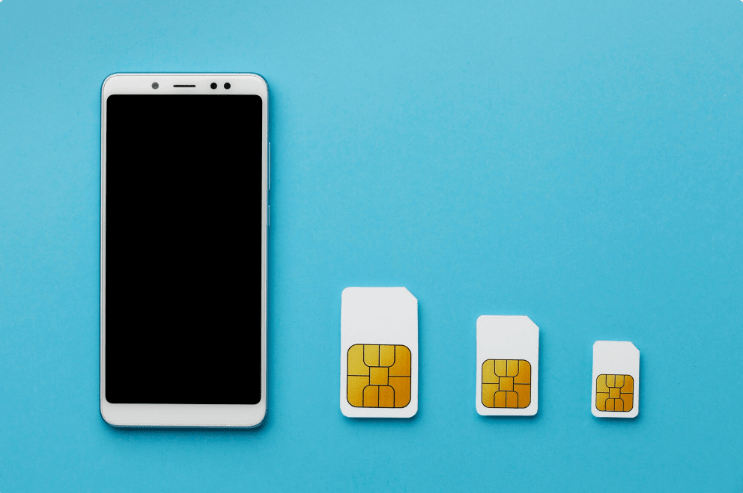
Industrial networks no longer rely on a single connectivity model. As LTE Advanced and 5G spread across logistics, utilities, and manufacturing sites, companies now face a practical choice between two different communication strategies. Some deployments need large, stable data streams that resemble broadband internet. Others rely on small periodic updates from sensors and trackers. Understanding the difference between high-volume data SIM solutions https://simbase.com/high-data-iot-sim and global IoT coverage helps businesses avoid unnecessary costs and technical limitations.
High Volume Data SIMs: The Broadband Powerhouse
Modern industrial environments often operate like distributed offices. Construction sites stream camera feeds. Vehicles provide passenger internet access. Remote teams work through cellular gateways instead of fixed lines. In these situations, connectivity behaves less like IoT and more like broadband.
High-volume data SIMs were created for this type of workload. They provide large monthly data pools and are built to support high-speed cellular categories and modern routers that can handle heavy throughput.
What Defines High Volume Connectivity
High-volume SIMs are used where devices remain connected and move large amounts of traffic through the network. In many setups, the connection behaves closer to mobile broadband than a typical IoT link. Cameras stream video. Routers share the internet with teams. Gateway devices send files or system updates on a regular basis. Because of this, the SIM card usually operates inside a wider networking setup built around industrial routers and gateway hardware that handle the traffic.
Typical characteristics include:
- Large monthly data allocations. They often start at 100 GB and extend
- Compatibility with high-speed LTE and 5G modem categories(Cat 12 or Cat 18)
- Operation through enterprise-grade routers capable of carrier aggregation and traffic management
- Continuous power availability since devices rarely enter low-energy modes
These SIM plans usually work best with networking equipment from vendors, where the hardware itself can handle high traffic loads without instability.
Where High Volume SIMs Are Used
Industrial teams usually select high-volume connectivity when real-time data matters and network performance must stay stable throughout the day.
Examples include:
- Video surveillance systems that send high-definition footage from remote sites
- Temporary or mobile offices where an LTE or 5G router provides internet access for the whole team
- Public transport vehicles that offer passenger Wi-Fi while also running navigation and telematics systems
In setups like these, the connection functions more like a mobile internet line than a typical IoT link.
Traditional IoT Connectivity: The Small and Steady Model
While high-volume SIMs work more like broadband, traditional IoT connectivity follows a different approach. Speed and large data transfer are not the priority. Stability and long device life matter more.
Most IoT sensors send only small amounts of information. A water meter may report usage a few times a day. Besides this, a GPS tracker on a shipping container might send its location every several hours. In situations like these, high-speed cellular networks do not offer much real benefit.
Why IoT Networks Prioritize Efficiency
Traditional IoT SIMs normally operate on LPWAN technologies such as NB IoT or LTE M. These networks are optimized for minimal power usage and stable signal coverage rather than bandwidth.
Devices connected through this model usually:
- Transmit very small packets of information, measured in kilobytes or a few megabytes per month
- Enter sleep mode for long periods to preserve battery life
- Maintain simple connections designed for periodic communication rather than continuous data exchange
Because of this design philosophy, a sensor running on a small battery may operate for several years without replacement.
Typical Applications for Traditional IoT SIMs
Many industries rely on these low-power connections where devices must remain unattended for long periods.
Examples include:
- Utility metering systems that report water, gas, or electricity usage
- Asset trackers monitoring shipping containers and cargo movement
- Agricultural sensors measuring soil moisture
The data volumes remain extremely small, yet the reliability of the connection remains critical for global IoT coverage.
Strategic Considerations for 2026
Companies planning large-scale deployments often discover that connectivity decisions extend beyond the SIM card itself. The strategies below all influence long-term reliability.
Hardware Requirements
High-volume deployments place real physical demands on networking hardware. A 5G router pushing several hundred megabits per second generates noticeable heat, particularly inside outdoor enclosures or vehicles exposed to sunlight. Equipment must include proper thermal management and environmental protection within a smart factory network infrastructure.
IoT devices face a different challenge. Their hardware must remain energy efficient and stable over long periods without maintenance. Simpler chipsets and low-power radios help extend device lifespan.
Management and Visibility
Network visibility becomes essential once data usage grows. With high-volume SIM plans, a single device streaming video or running software updates can consume a large portion of the shared data pool. Companies typically rely on management platforms that show real-time usage and trigger alerts when traffic increases unexpectedly.IoT platforms focus on different indicators. Instead of bandwidth consumption, operators track heartbeat signals, connection status, and device health. It’s while maintaining IoT data security and encryption across distributed deployments. The goal is simply to confirm that sensors remain active and responsive.