Superheroes are often a beacon of hope amidst danger — a visualization of power against obstacles. With this in mind, local caregivers and survivors have joined forces to unite and fight for the cause, which in this case is the survival of cancer.
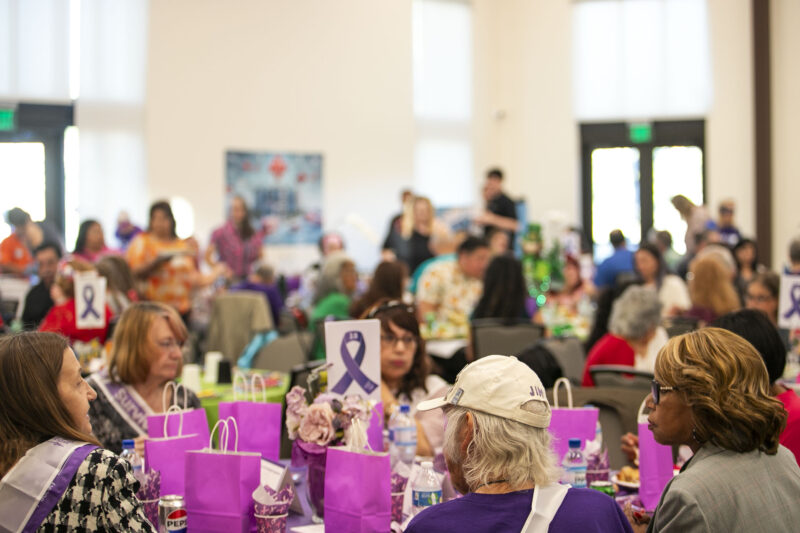
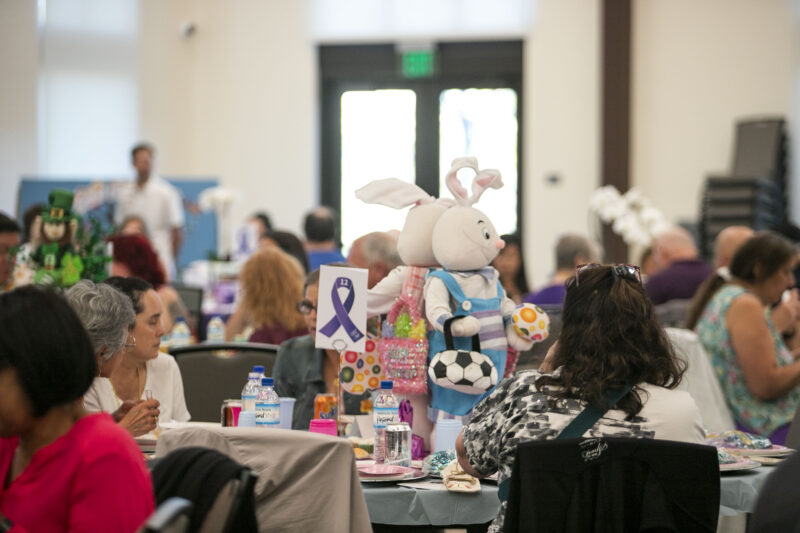
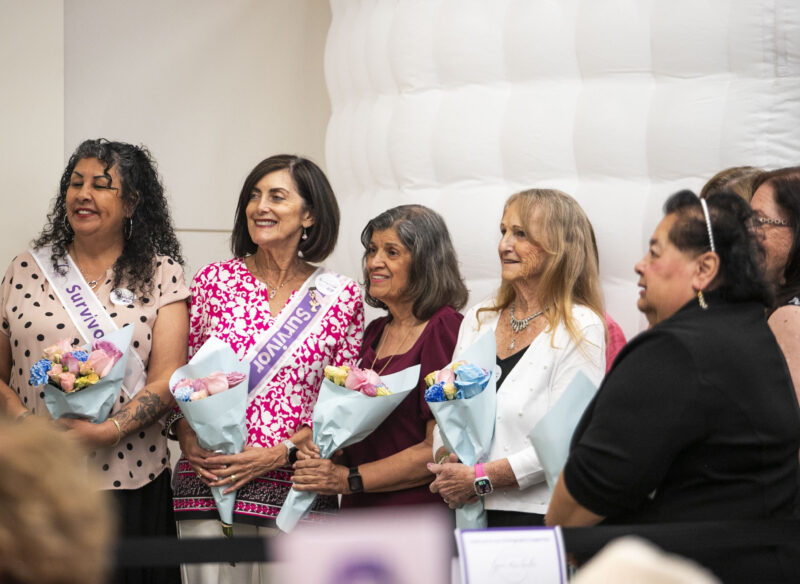
During the third annual Relay for Life of Santa Clarita’s “Survivor & Caregiver Celebration Dinner,” hosted by the local chapter of the American Cancer Society, 145 survivors and caregivers gathered for dinner, entertainment and speeches at the Canyon Country Community Center on Saturday with the event’s theme being, “Superheroes Unite! Join the Fight!”
Leslie Borgen, 15-year-breast cancer survivor, in addition to being a uterine cancer survivor, discussed the success of Saturday’s event.
“This is our third year doing it here, and we’re really excited. It’s a great location, and the facility is really nice, and they’ve been great for us. We’ve gotten smarter every year. We always find something we can improve on. We’ve got a great photo booth, great restaurants who have donated to us and great volunteers who have come to help,” Borgen said.
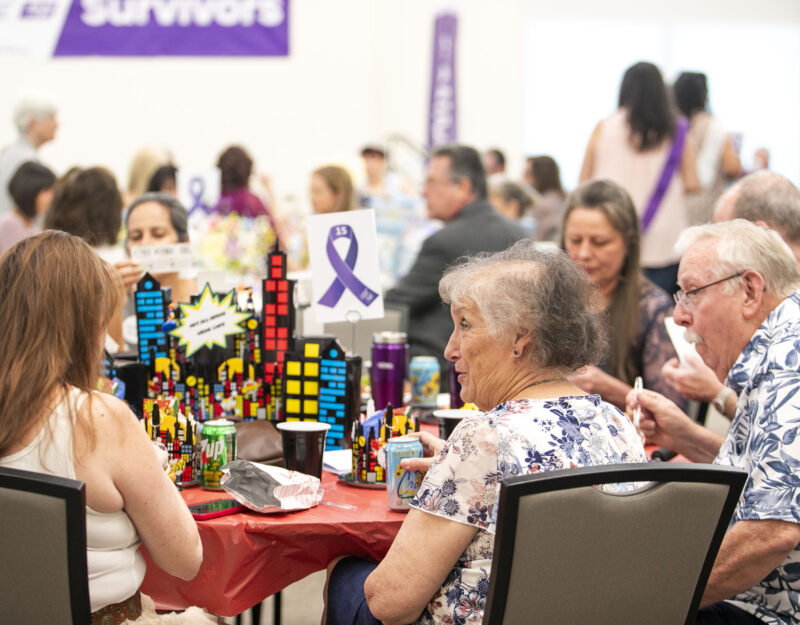
“This is my first time volunteering at this dinner event. And yes, these ladies are workhorses, and this is here because of them,” added Karen Green, a survivor of leukemia for 13 years.
Borgen hopes that the dinners to come will reach more survivors in the valley.
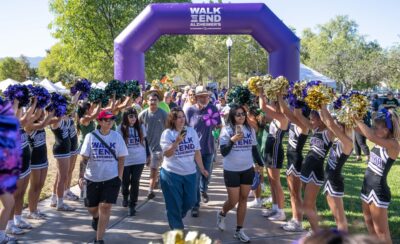
“What we do is free. We don’t charge anybody for anything. We want them to come to dinner tonight. But we also have our big, major event, which is Relay for Life, and that is going to be at Central Park on May 2. It’s, again, another celebration of life, because we have our whole survivor area, and they can come and we give them lunch, and there’s going to be a survivor walk,” Borgen said. “Most of us have been through the same thing, and we want to be there for everyone.”
Boasting 45 volunteers, Saturday’s event showcased the community’s support.
“I can tell you that in that room tonight, there are 970 years of survivorship in that room,” said Laura Peach, a nine-year-survivor of skin cancer.
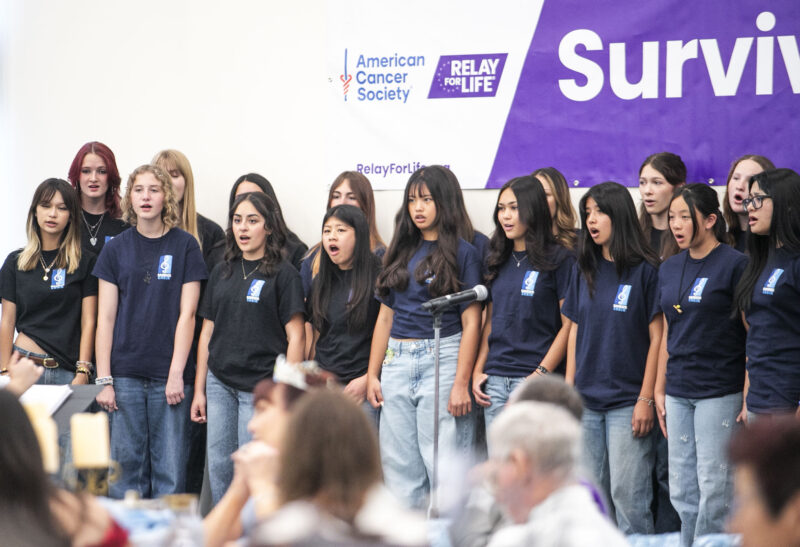
“We have at least 10 that are over 40 years, which is phenomenal, and that’s one of the reasons we’re doing this, is to show people there’s a lot of hope out there,” Borgen added. “We’ve come a long way, and it’s not a death sentence to anybody. It’s to celebrate what they’ve been going through and what they’ve gone through. A lot of them said they wanted to see other survivors and hear their stories and just know that they’re not alone.”
Erin Lewis, who is a caregiver, shared the similarities of a caregiver’s journey to that of a survivor’s.
“A caregiver actually goes through the same thing as a survivor, and they don’t [just] have the physical, but mentally and emotionally they are going through the same exact thing, and people don’tunderstand that. Caregivers give so much of themselves for their survivors. So that’s why it’s so important to actually recognize them also,” Lewis said. “My dog helps with the stress. There are always support groups. Don’t hold anything in, because that’s just going to make things worse. You need to make sure that you’re taking care of you, so that you can take care of them.”
Agnes Russell has been a breast cancer survivor for 26 years, and has taken pride in knowing that she’s leading the way for others who may have doubts amid their own journeys.
“I had a mammogram, then later had a mastectomy. I went through chemo and radiation — six months of chemo. I’m grateful that I’m still here, because the new ones, when they hear that I’m ‘26,’ they’ll come up to me and say, ‘Oh my goodness, thank you for being there,’ because it makes them feel that they have a chance,” Russell said. “I had a support group for 10 years or so called ‘Bosom Buddies,’ but it stopped when COVID came. It was giving hope to anybody that was going through it.”
Among those who would attend in support of the group members was the speaker for Saturday’s event, breast surgical oncologist Dr. Dortha Chu, a Santa Clarita resident who now works in Fresno.
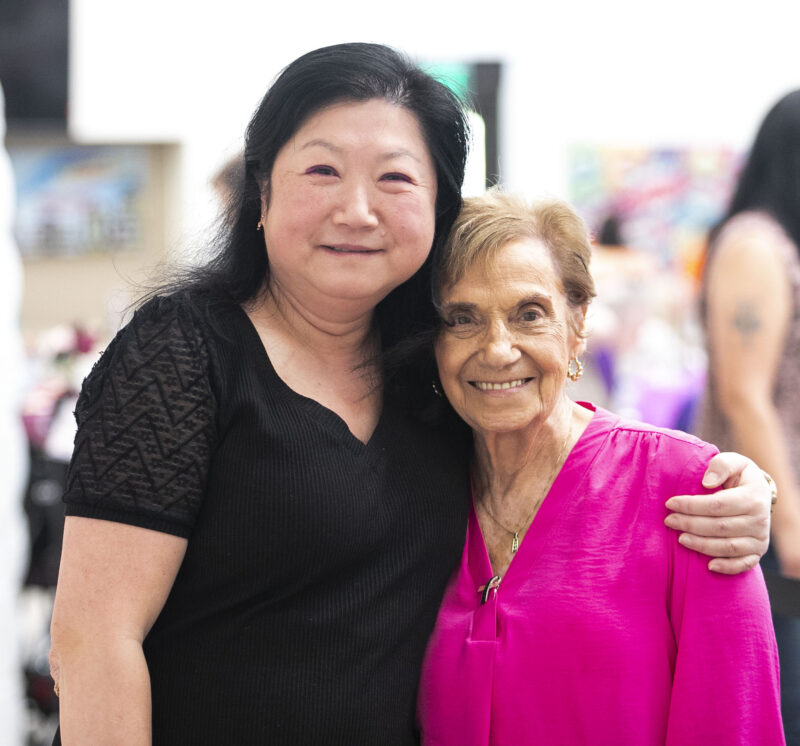
“I specialize in treatments for breast cancer, so I deal with patients, as well assurvivors all the time. Topics I’m going to cover are advances in DNA, and how we’re manipulating that and using it to develop better and more precise treatments for patients,” Chu said.
Chu is excited about future technological advances and what that means for each patient and personalized care treatment.
“The gist of it is that we’re able now to use our knowledge of DNA and what’s abnormal in cancer cells to design drugs. So that’s the first step. The second thing we can do with it is that, once we identifywhat drugs are effective, we use the mutations that a particular patient has and their specific cancer to pick what medicine works for them and the individual,” Chu said. “And then the third thing that we’re doing with DNA, is that we’re starting to now be able to detect tumor DNA in the blood, so that we can kind of monitor patients a little bit better about recurrence and hopefully intervene in a more timely manner.”
Throughout Chu’s career, she has seen technology advance at a rapid speed — even faster than researchers and doctors can sometimes keep up with.
“The technology is incredible — where we’re still catching up is knowledge on how we can use the technology in a way that’s effective, but the technology is going ahead leaps and bounds,” Chu said. “It needs support — the key is that it needs to be supported constantly by new research and being able to put resources into research. So as long as we keep that up, then I think we’ll have every chance, and we’re going to develop an actual cure with a capital ‘C’ for cancers, but it requires a coordinated effort.”
Chu hopes that misconceptions about not only researching cancer, but also finding a cure, are debunked.
“The main one I want people to understand is that there’s a sort of conspiracy that somehow we already have the cure for cancer … The reality is we don’t. No one is hiding an answer. No one’s hiding a cure. It’s just that cancer is incredibly complicated, and so finding the cure is going to be something that’s going to take a much more coordinated effort from different disciplines,” Chu said. “I’m happy and honored I get to talk about hope, because that’s really what this is about. I hope these survivor groups will just continue to grow, because people will survive their cancers and thrive.”