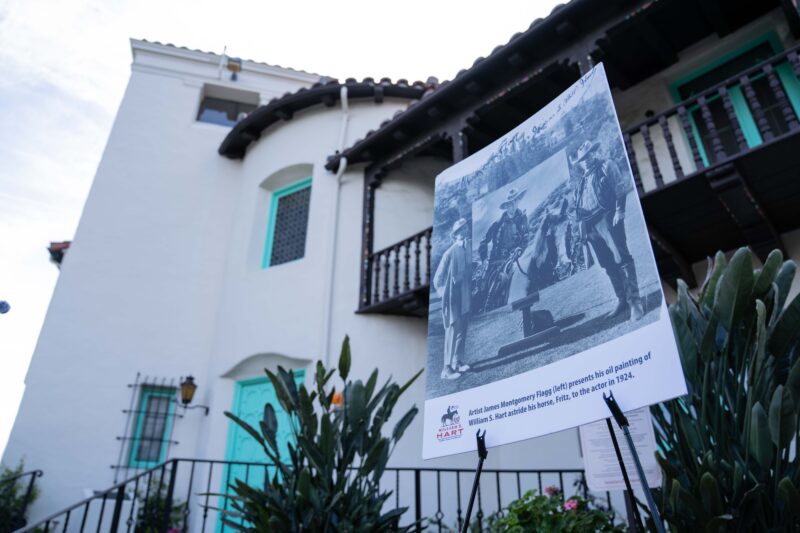
The William S. Hart Park Museum is a century-old Spanish colonial revival home at the top of a hill overlooking all of Newhall.
At one time, everything in it belonged to the silent film star cowboy whose name appears throughout Santa Clarita – and now, because of him, the home, too, belongs to Santa Clarita.
The Hart mansion has come a long way since Hart gifted it to Los Angeles County in the 1940s, in the hopes that it’d be turned into a historic site open to the public. The city was in talks to take over the museum from the Natural History Museum of L.A. County starting in 2022.
The home and surrounding park were officially acquired by the city of Santa Clarita over the summer last year, and since then, the city has been working to restore the home for public tours.
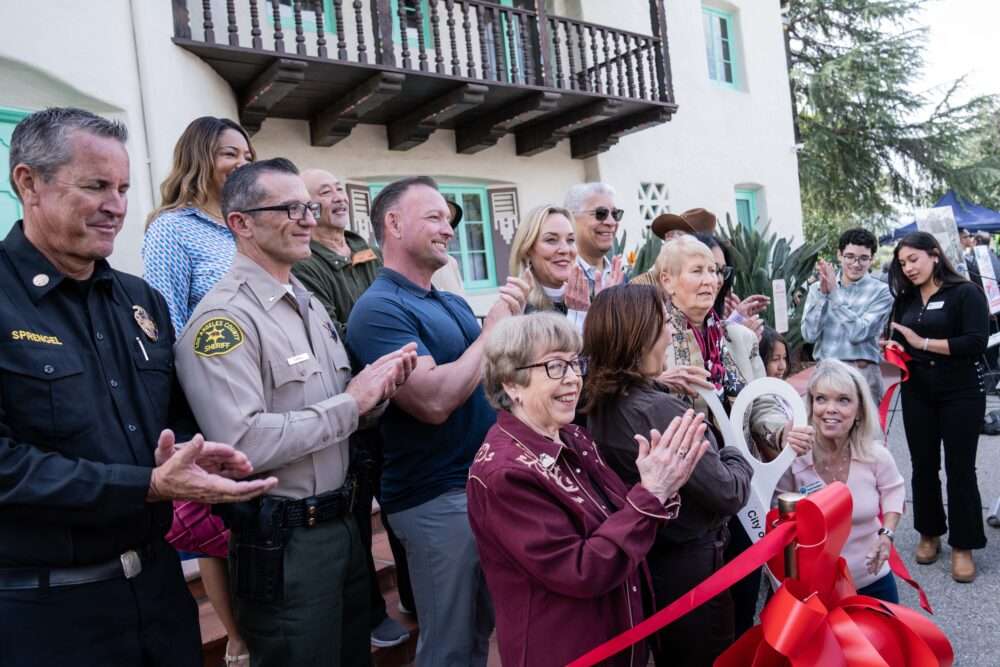
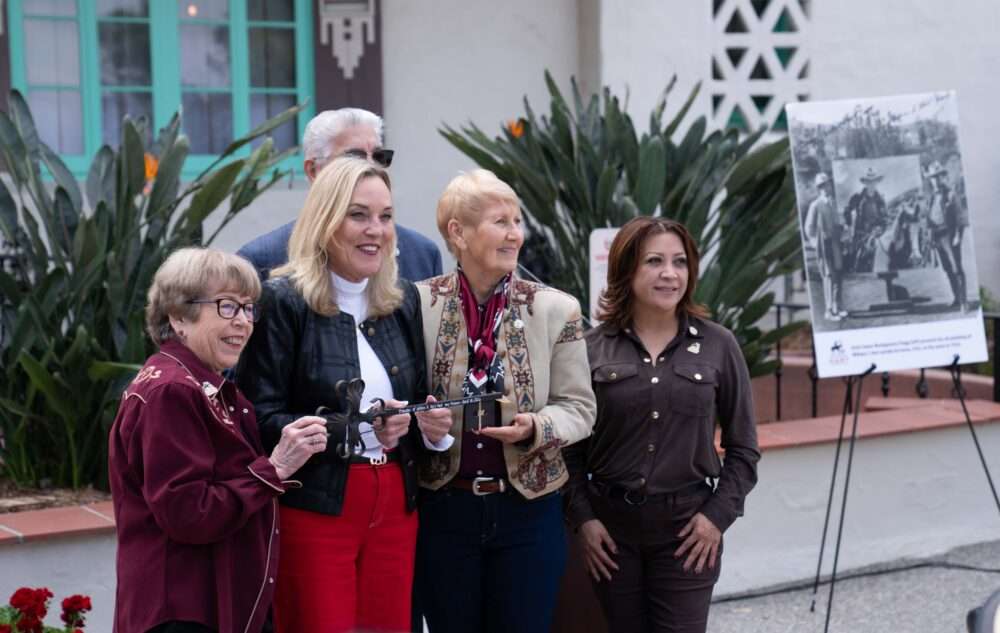
On Friday morning, city staff, local elected officials and a crowd of guests extending all the way to the edges of the hilltop in front of the Hart house – 22 rooms covered in thick white walls and robin’s egg-blue window panes – officiated the house’s send-off to the city.
Kathryn Barger, L.A. County’s 5th District supervisor, said the home still represents a major county draw, as a historical touchstone representing the county’s history in the frontier film era of the early 20th century.
“This is a county asset. When I say county, not county of Los Angeles government entity, but the county as a whole,” she said. “And it really is something that is a part of our history, and working with the city of Santa Clarita to allow them to take it over and bring it back to really where it needs to be.”
Barger added that while the process of transferring the mansion into Santa Clarita’s hands took time, with stipulations attached to Hart’s gift that necessitated it be a public good – as well as ensuring the care of bison and other animals roaming the surrounding property – it was well-negotiated.
“When William S. Hart deeded this over to the county, there were restrictions … And so the devil’s in the details, and I knew the city would gladly embrace (that),” Barger said. “So, long, long, long story short, it took a while, but it was never contentious.”
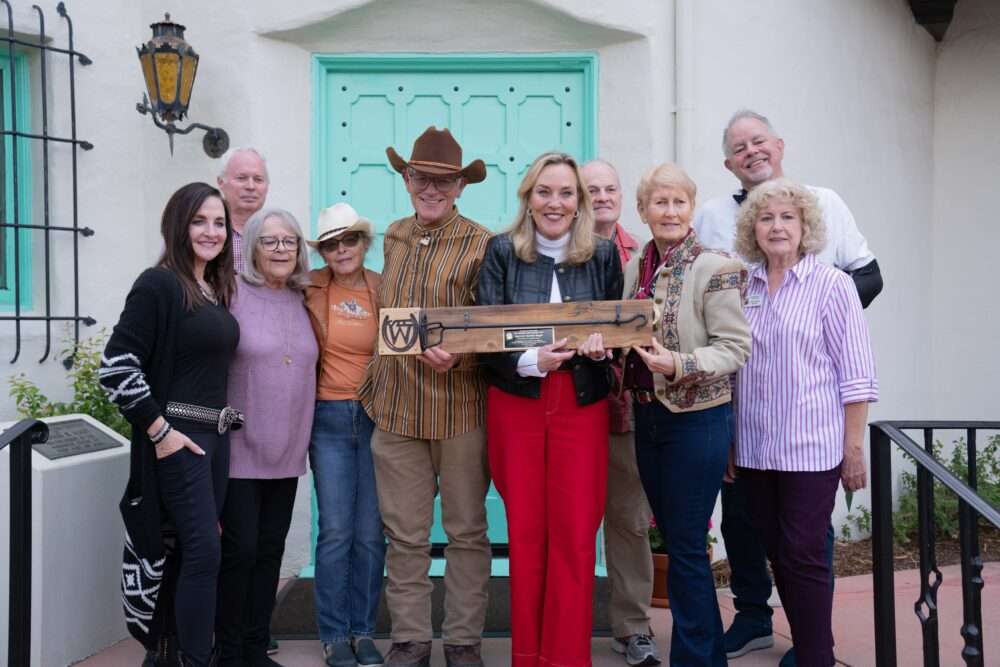
The home that does so much, almost 100 years later, to define Hart’s success as the Hollywood star frequently known as “Two-Gun Bill” is also a testament to his generous view of what was owed for that success. A quote from Hart was said several times during Friday’s ceremony: “While I was making pictures that people gave me their nickels, dimes and quarters, and when I am gone, I want them to have my home.”
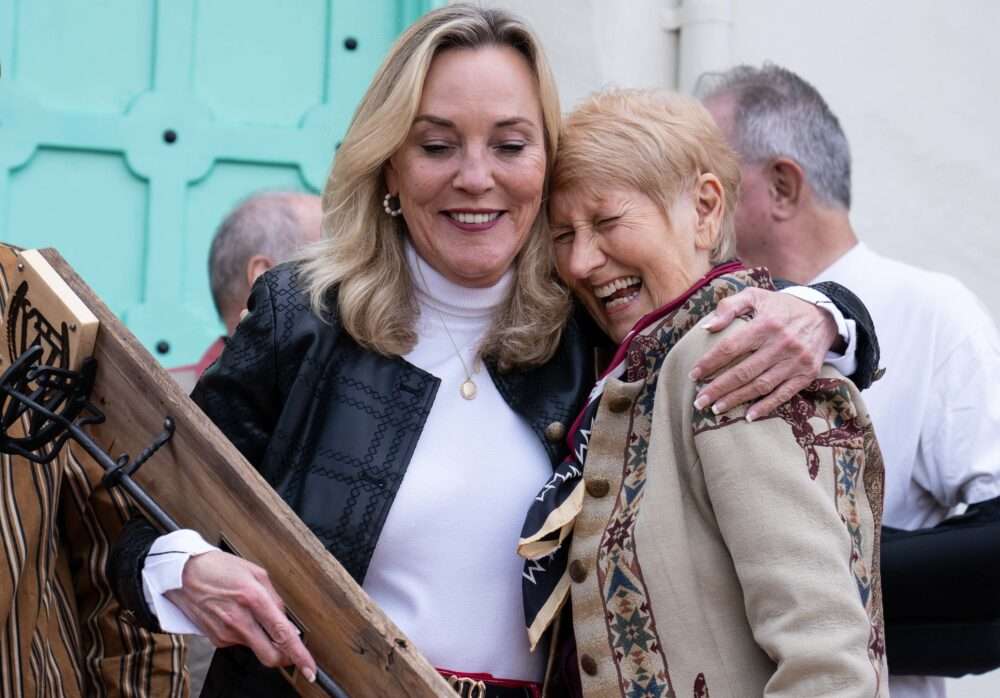
The phrase was also written across the hefty ceremonial key given to Santa Clarita Mayor Laurene Weste before groups were ushered into the home’s first tours.
With Hart’s restored home now officially a part of Santa Clarita’s own pantheon of assets, visitors might be wondering whether his character, and the life he lived, can be seen in his readily accessible home – and whether it’s one worthy of Santa Clarita. The Santa Clarita City Council seems to believe so.
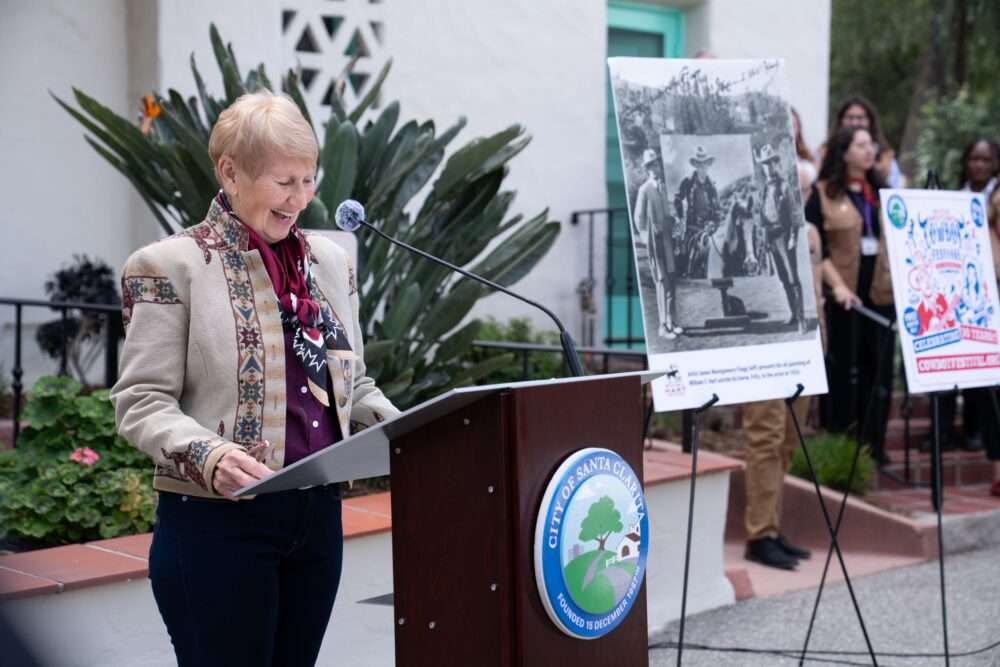
“(Hart) was not only a legendary film star, he was also someone who deeply valued the land, the Native American culture and the true history of the American West,” Weste told the crowd Friday. “There is a plaque in this park that states, ‘This park has been dedicated by William S. Hart for the benefit of the American people of every race and every creed.’ This is evidence of how much Hart loved the American people.”
“The most rewarding part of today’s reopening is that, after over six years of being closed to the public, residents and visitors can once again step inside the Hart Mansion and experience the amazing history within its walls,” Weste said.
“Visitors will find an impressive collection of Western art, Native American textiles and beadwork, as well as artifacts from Hart’s career in early Hollywood,” Weste added. “The home also features unique pieces gifted by notable figures, such as Wyatt Earp, Will Rogers, and Amelia Earhart, offering a glimpse into Hart’s life, friendships and enduring legacy. One of my personal favorite items in the mansion is the painting of Bill and Fritz, his beloved Pinto pony, who was world famous and sometimes received more fan mail than Bill himself.”
Hart became a movie star relatively late in life, in his 50s. He was born in New York state in 1864, had a successful stage career – including Shakesperean work on Broadway – and found film in 1914.
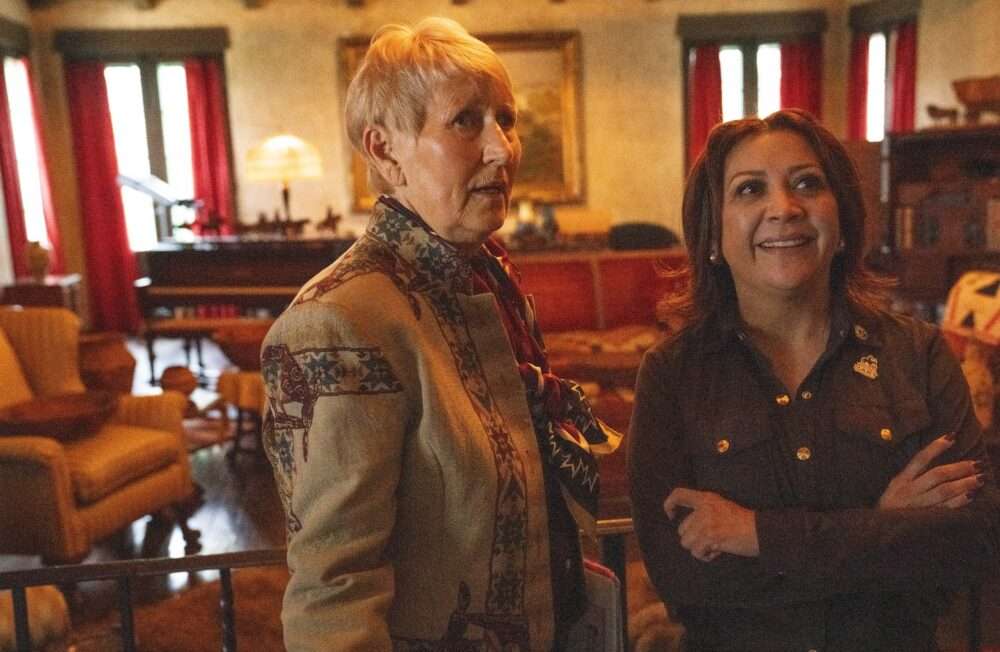
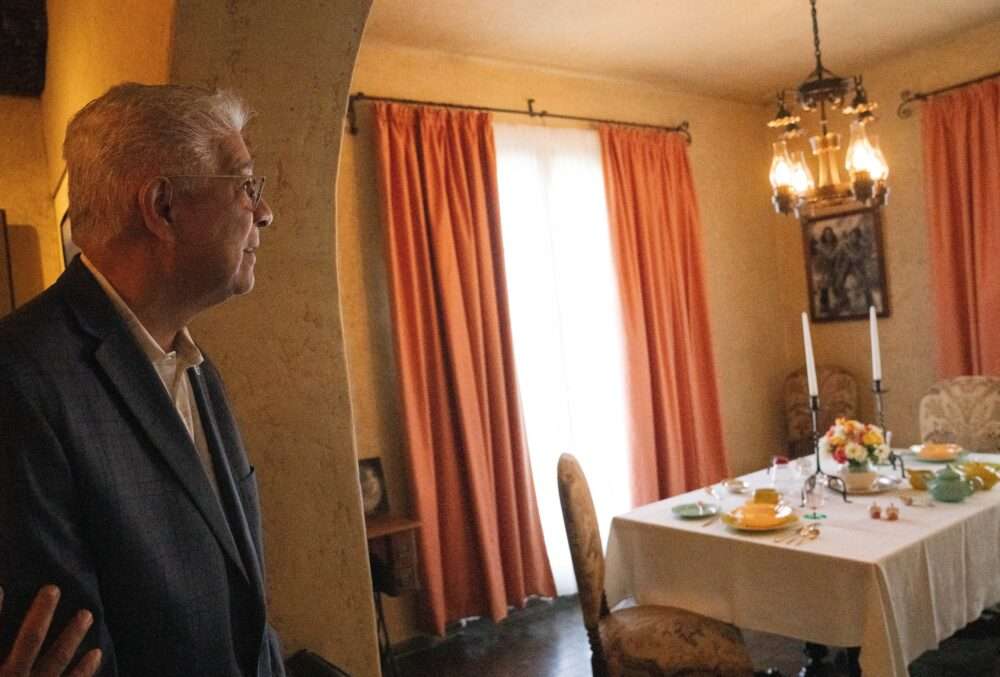
And while his home is perhaps one of the most beautiful in Newhall, its insides don’t demonstrate the ego of a celebrity who was one of the most well-known people in America. The Hart home tour crosses two stories of narrow, cool rooms, squeezed neatly with earth-colored antiques that speak to Hart’s taste, and yet are distinctly of their time.
Some are true artifacts of the turn of the 20th century – an ice box in the kitchen and a massive bear rug in the upstairs living room may be the most distinct – and features that remind you you’re in a movie star’s house: a perfect square hole in the cool white wall for a 35 millimeter projector to blast movies through.
His love for his sister, who lived with him, and his animals were also plain to see in the house’s details: enormous bay windows in the dining room to let his famous horse Fritz stick his head in during meals, according to the tour’s docents; A room just for his two enormous dogs; And a room with bright white bedding near his own.
Decorating the walls are Native American textiles and beadwork, alongside hallways full of paintings of scenes from Hart’s own authored series of pulp Western novels by painters including Howard Hastings, a fellow New York transplant.
Each item in the home has been restored, with a major lift from city curator Emily Fisher. Gina Roberson, Santa Clarita’s city librarian, said Fisher has been working to ensure those items are clean, organized and accounted for.
“The city’s been working on projects, mostly in inventorying, cleaning, displaying … We actually had a safety assessment that was done last summer that gave us some directive on how to best care for the collection. One of the things that we’ve been working on is ensuring that the temperature and humidity in the building can maintain themselves,” which is where the HVAC unit comes in, Roberson said.
To walk through the Hart home is to see it as he experienced it: The entire home is in the original shape Hart had it in when he lived there – except the new HVAC system, of course.
“The house is completely original. There have been some additions, and under the county’s ownership, there was addition of an HVAC unit,” said Roberson. “Bill (Hart) himself, obviously added the bedroom here, but very little modifications have been made.”
Group tours of William S. Hart Park Museum can now be booked at tinyurl.com/2d7freum.