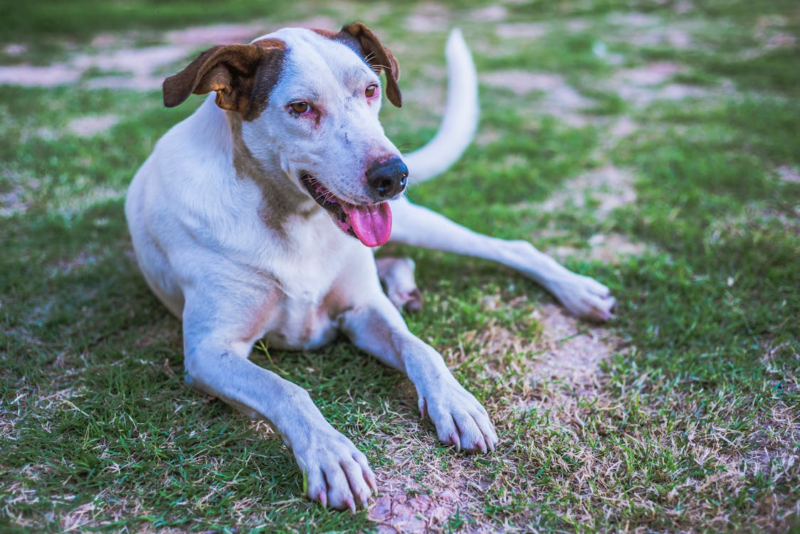
According to the American Heartworm Society’s 2023 surveillance data, veterinarians across the United States diagnosed heartworm disease in dogs from all 50 states, with positive cases increasing in several regions previously considered low-risk. What makes these numbers particularly concerning isn’t just the geographic spread — it’s that many of these diagnoses came after dogs had already developed advanced symptoms, when treatment becomes riskier and more expensive.
The challenge facing dog owners today centers on recognizing heartworm infection during its earliest stages, when symptoms remain subtle and treatment outcomes are most favorable. Unlike many canine health issues that announce themselves clearly, heartworm disease develops silently for months before obvious signs appear. During this window, adult heartworms are establishing themselves in the dog’s cardiovascular system, beginning the damage that will eventually manifest as respiratory distress, exercise intolerance, and potentially heart failure.
For the millions of dog owners living in heartworm-endemic areas — which now includes virtually everywhere mosquitoes thrive — understanding these early warning signs isn’t just helpful information, it’s essential knowledge that could determine their pet’s long-term health and quality of life.
Why Spotting Early Heartworm Signs Matters
The window between heartworm infection and obvious clinical symptoms represents a critical period that determines both treatment success and your dog’s prognosis. When heartworms first mature into adults roughly six months after infection, they begin causing microscopic changes to blood vessels in the lungs and heart — damage that remains largely invisible to pet owners but steadily progresses each day.
Dogs diagnosed during this early phase face significantly better outcomes than those identified after severe symptoms develop. Early detection allows veterinarians to begin treatment before extensive cardiovascular damage occurs, reducing both the risk of treatment complications and the likelihood of permanent organ injury. The adult heartworm treatment protocol, while effective, carries inherent risks that increase substantially when dogs already show signs of heart or lung compromise.
Consider a seemingly healthy three-year-old golden retriever who’s developed a slight cough after exercise. His owner assumes it’s seasonal allergies or minor respiratory irritation. Six months later, that same dog is struggling to breathe during normal walks and showing signs of abdominal swelling. The difference between these scenarios isn’t just symptom severity — it’s treatment complexity, cost, and most importantly, the dog’s chances of returning to normal health.
The biological reality of heartworm disease creates an urgency that many dog owners don’t fully grasp. Once adult worms establish themselves, they continue reproducing and causing progressive damage. Each month of delayed diagnosis allows more worms to mature and more cardiovascular injury to accumulate. This progressive nature means that what appears as a minor cough today could signal the beginning of irreversible heart and lung changes if left unaddressed.
Understanding this timeline transforms how owners should view subtle symptoms in their dogs. That slight decrease in stamina during walks, the occasional dry cough, or unexplained weight loss despite normal appetite — these aren’t necessarily signs to monitor casually over weeks or months. They’re potential early indicators requiring prompt veterinary evaluation.
How Heartworm Impacts the Dog’s Heart and Lungs
Heartworm disease fundamentally disrupts the cardiovascular system through a cascade of pathological changes that begin the moment adult worms reach the pulmonary arteries. These parasites, which can grow up to 14 inches in length, physically obstruct blood flow while triggering inflammatory responses that damage vessel walls and compromise heart function.
When adult heartworms settle in the pulmonary arteries — the major vessels carrying blood from the heart to the lungs — they create direct mechanical interference with circulation. The dog’s heart must work harder to push blood through these partially blocked vessels, leading to increased pressure in the pulmonary circulation. This elevated pressure forces the right side of the heart to pump against greater resistance, gradually causing the heart muscle to thicken and enlarge in an attempt to maintain adequate blood flow.
The inflammatory response triggered by heartworm presence compounds these mechanical problems. The dog’s immune system recognizes the worms as foreign invaders, launching attacks that unfortunately also damage the arterial walls where the parasites have lodged. This inflammation causes the smooth muscle in vessel walls to thicken and the vessels themselves to become less flexible, further restricting blood flow and increasing the workload on the heart.
As this process continues, the lungs begin showing signs of strain. Reduced blood flow means less efficient oxygen exchange, forcing dogs to breathe harder during exercise and eventually even at rest. The combination of mechanical obstruction and inflammatory damage creates areas of reduced lung function, explaining why affected dogs often develop the characteristic cough associated with heartworm disease.
The progression from initial worm establishment to clinical symptoms follows a predictable pattern tied directly to these cardiovascular changes. Early symptoms like mild coughing and reduced exercise tolerance reflect the initial strain on the heart and lungs. As more worms mature and inflammation increases, symptoms become more pronounced, eventually leading to the severe respiratory distress and heart failure seen in advanced cases.
This understanding of heartworm pathophysiology explains why early detection matters so critically — intervention before extensive cardiovascular remodeling occurs offers the best chance of preserving normal heart and lung function throughout the dog’s life.
Recognizing Subtle and Clear Early Symptoms
Behavioral and Physical Changes to Watch For
The earliest signs of heartworm infection often manifest as subtle shifts in your dog’s behavior and energy levels rather than obvious medical symptoms. Many owners first notice their previously energetic dog becoming reluctant to engage in favorite activities or tiring more quickly during routine exercise. A dog who once bounded up stairs might pause halfway, or one who typically enjoyed long walks might lag behind or seek shade more frequently.
Weight loss despite maintained appetite serves as another early indicator that owners frequently overlook or attribute to increased activity or seasonal changes. This weight loss occurs because the dog’s cardiovascular system struggles to deliver nutrients efficiently as heartworms begin compromising circulation. The dog maintains normal eating habits, but the body cannot utilize food as effectively due to reduced cardiac output.
Behavioral changes extend beyond physical limitations to include subtle alterations in sleep patterns and general demeanor. Some dogs become restless at night, changing positions frequently as they unconsciously seek comfortable breathing positions. Others may become less social or show decreased interest in play, reflecting the body’s natural conservation of energy as the cardiovascular system works harder to maintain basic functions.
The key to recognizing these early behavioral changes lies in understanding your individual dog’s normal patterns. A naturally sedentary breed showing slight exercise intolerance might not raise immediate concern, while the same symptom in a typically high-energy working dog should prompt closer attention. These behavioral shifts often appear gradually over weeks or months, making them easy to dismiss as normal aging or seasonal variations rather than early disease indicators.
Common Early Clinical Signs of Heartworm Infection
The transition from behavioral changes to identifiable clinical signs typically begins with respiratory symptoms that many owners initially mistake for minor respiratory irritation or seasonal allergies. A dry, persistent cough represents the most common early clinical sign, usually developing during or immediately after exercise when the compromised cardiovascular system faces increased demands.
This heartworm-associated cough differs from typical respiratory infections in its timing and character. Rather than the productive, wet cough of a cold or the sharp, hacking cough of kennel cough, heartworm cough tends to be dry and occurs specifically during exertion or excitement. Dogs might cough after running, playing, or even during enthusiastic greetings, then return to normal breathing once they calm down.
Subtle changes in breathing patterns provide another early clinical indicator. Affected dogs may breathe slightly faster than normal during rest or show mild difficulty catching their breath after moderate exercise. Unlike the obvious labored breathing seen in advanced heartworm disease, these early respiratory changes require careful observation to detect, appearing as minor variations in normal breathing rhythm rather than dramatic distress.
Some dogs develop a slightly distended appearance to their abdomen during early heartworm infection, though this sign requires careful monitoring to distinguish from normal weight gain or bloating. This early abdominal change results from slight fluid retention as the cardiovascular system begins showing strain, though it remains much more subtle than the pronounced ascites seen in advanced heart failure cases.
Signs of Advanced Heartworm Disease Progression

As heartworm disease advances beyond the early stage, clinical signs become unmistakably severe and indicate significant cardiovascular compromise requiring immediate veterinary intervention. The progression from subtle early symptoms to advanced disease typically occurs over months to years, but the transition can accelerate rapidly once critical thresholds of worm burden or cardiovascular damage are reached.
Severe, persistent coughing represents the most obvious sign of disease progression, evolving from the mild, exercise-induced cough of early infection to constant respiratory distress that occurs even during rest. This advanced cough often becomes productive, with dogs bringing up blood-tinged foam or fluid as damaged pulmonary vessels leak into the airways. The sound changes from dry and occasional to wet, harsh, and frequent, reflecting the extensive inflammation and fluid accumulation in the lungs.
Breathing difficulties escalate dramatically in advanced heartworm disease, with affected dogs showing obvious signs of respiratory distress including rapid, shallow breathing, extended neck positioning to maximize airflow, and visible effort required for each breath. These dogs cannot tolerate any exercise and may struggle to breathe even while lying down. The characteristic open-mouth breathing and extended tongue position indicate severe oxygen deprivation as the compromised cardiovascular system fails to meet the body’s basic needs.
Advanced heartworm disease frequently progresses to right-sided heart failure, causing fluid to accumulate in the abdomen, creating the distinctive pot-bellied appearance known as ascites. This abdominal swelling develops as the weakened heart cannot effectively pump blood through the heartworm-obstructed pulmonary circulation, causing backup pressure that forces fluid into body cavities. Dogs with ascites often show decreased appetite and lethargy as the accumulated fluid compresses internal organs.
The most severe cases develop caval syndrome, a life-threatening condition where large numbers of heartworms physically block major blood vessels, causing sudden collapse, dark urine, and rapid deterioration. Dogs experiencing caval syndrome require emergency surgical removal of worms to survive, with successful outcomes dependent on immediate intervention. This represents the terminal stage of untreated heartworm disease, demonstrating why early detection and treatment remain so critical for preserving canine health and preventing progression to this irreversible state.
Diagnosing Heartworm Symptoms in Dogs
Blood and Antigen Tests for Early Detection
Modern heartworm testing relies primarily on antigen detection methods that can identify infections approximately six months after the initial mosquito bite, coinciding with the period when early clinical symptoms begin appearing. These tests detect proteins produced by adult female heartworms, providing reliable confirmation of active infection even when dogs show only subtle symptoms.
The standard antigen test requires a small blood sample and produces results within minutes in most veterinary clinics, making it an efficient diagnostic tool when owners report early warning signs like mild coughing or exercise intolerance. However, the timing of testing remains crucial — antigen tests cannot detect infections during the first six months while heartworms remain in their immature stages, explaining why dogs with very recent infections might test negative despite showing early symptoms.
Microfilariae testing complements antigen testing by detecting the microscopic offspring that adult heartworms release into the bloodstream. While not all heartworm-positive dogs have detectable microfilariae, their presence confirms active reproduction and helps veterinarians assess infection severity. For optimal heartworm prevention strategies, veterinarians typically recommend combining both testing methods to ensure comprehensive detection of active infections.
Imaging and Additional Diagnostic Methods
When blood tests confirm heartworm infection in symptomatic dogs, imaging techniques help veterinarians assess the extent of cardiovascular damage and plan appropriate treatment strategies. Chest X-rays reveal characteristic changes in heart size and lung patterns that correspond directly to the severity of symptoms dogs are experiencing.
Echocardiography provides the most detailed assessment of heartworm-related cardiac changes, allowing veterinarians to visualize heart chamber enlargement, evaluate pumping function, and sometimes even identify adult worms within the heart and major vessels. This imaging proves particularly valuable for dogs showing advanced symptoms, as it helps determine whether they can safely undergo standard heartworm treatment protocols or require modified approaches due to severe cardiovascular compromise.
Advanced diagnostic techniques including CT scans and specialized cardiac monitoring may be necessary for dogs with severe symptoms or complicated cases. These methods help veterinarians distinguish heartworm-related cardiovascular changes from other potential causes of similar symptoms, ensuring that treatment addresses the correct underlying condition while minimizing risks to dogs already compromised by advanced infection.
The diagnostic process becomes increasingly important as symptoms progress, since dogs with advanced heartworm disease face higher risks during treatment and may require intensive monitoring and supportive care throughout their recovery period.
Final thought
Understanding heartworm symptoms requires recognizing that this disease operates on a timeline measured in months and years, not days or weeks. The subtle early signs that many owners dismiss as normal aging or minor health variations represent the critical window when intervention offers the best outcomes. For dog owners, the key lies in knowing their pet’s normal patterns well enough to detect when something shifts — whether that’s a slight decrease in enthusiasm for walks, an occasional dry cough after play, or barely noticeable changes in breathing rhythm. The dogs who fare best are those whose owners notice these whispers before they become shouts, transforming what could be a life-threatening condition into a manageable health challenge with proper veterinary care and comprehensive heartworm prevention strategies moving forward.