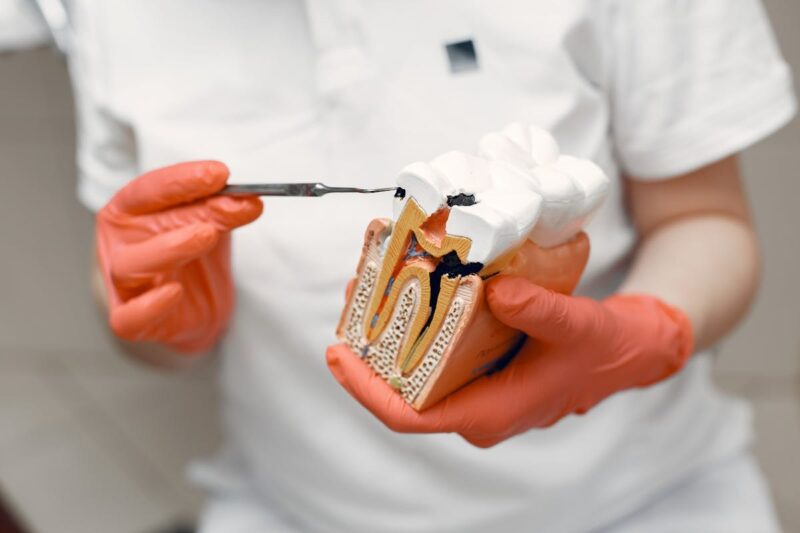
According to the American Association of Endodontists’ 2024 patient survey, over 60% of people postpone or avoid root canal treatment due to fear of pain — yet 89% of patients who actually undergo the procedure report that it was more comfortable than expected. As dental technology has advanced dramatically in recent years, the gap between perception and reality around root canal discomfort has never been wider. Modern anesthesia techniques and precision instruments have transformed what was once considered one of dentistry’s most dreaded procedures into a routine intervention that’s often less painful than living with an infected tooth.
For the millions of Americans facing potential root canal treatment, understanding what actually happens during the procedure — and why the infected tooth often hurts more than the treatment itself — can mean the difference between seeking timely care and enduring months of escalating pain. The stakes extend beyond immediate comfort: delaying treatment often leads to more complex procedures, higher costs, and sometimes tooth loss that could have been prevented.
What Causes Root Canal Pain and How Is It Managed?
The pain associated with root canal treatment stems from two distinct sources: the underlying infection that necessitates the procedure and the treatment process itself. When bacteria penetrate deep into a tooth’s pulp chamber — usually through a crack, deep cavity, or trauma — they trigger an inflammatory response that creates intense pressure within the confined space of the tooth’s interior. This pressure has nowhere to escape, leading to the throbbing, persistent pain that drives most patients to seek emergency dental care.
Here’s what catches many people off guard: the infected tooth typically causes far more discomfort than the root canal procedure designed to treat it. The inflammation from infection can affect surrounding tissues and even cause facial swelling, while the actual treatment involves removing the source of that inflammation under controlled conditions with proper pain management.
Modern root canal procedures rely on multiple layers of pain control. Local anesthetic — typically lidocaine or similar compounds — blocks nerve transmission in the treatment area completely. For anxious patients or complex cases, dentists may recommend nitrous oxide or oral sedation to manage stress and enhance comfort. During the procedure itself, patients report feeling pressure and movement but rarely experience pain when properly anesthetized.
Post-procedure discomfort is generally mild to moderate and responds well to over-the-counter anti-inflammatory medications like ibuprofen. The key difference is that this temporary discomfort from healing tissue is fundamentally different from the sharp, unrelenting pain of an active infection. Most patients find that any post-treatment sensitivity resolves within a few days to a week, while untreated infections can persist and worsen for months.
Pain management also involves realistic expectations. Patients who understand that some tenderness during chewing is normal for the first few days tend to experience less anxiety and better overall comfort during recovery.
What Happens During the Root Canal Procedure and Recovery?
Understanding the step-by-step process helps demystify what many patients consider a frightening experience. The procedure typically begins with digital X-rays to assess the tooth’s internal structure and identify any complications. Once the treatment area is completely numbed, the dentist creates a small access hole in the tooth’s crown — usually on the chewing surface of back teeth or the back side of front teeth.
The heart of the treatment involves carefully removing the infected or damaged pulp tissue from inside the tooth’s root canals. Using specialized instruments and antimicrobial solutions, the dentist cleans and shapes these narrow channels to eliminate bacteria and prepare them for filling. Modern techniques often include rotary instruments that make this process more efficient and thorough than traditional hand files.
After thorough cleaning and disinfection, the empty canals are filled with a biocompatible material called gutta-percha and sealed to prevent recontamination. The access hole is then restored with a temporary or permanent filling. Most root canal procedures require one to three appointments, depending on the complexity of the case and the number of roots involved.
Recovery follows a predictable timeline for most patients. The first 24-48 hours may involve mild to moderate discomfort as the anesthesia wears off and surrounding tissues respond to the treatment. This discomfort typically peaks within the first day and gradually subsides. Patients can usually return to normal activities within a day or two, though they should avoid chewing on the treated tooth until the permanent restoration is complete.
The temporary filling protects the tooth during initial healing, but most endodontically treated teeth require a crown or other permanent restoration within a few weeks. This final step is crucial because root canal treatment removes the tooth’s blood supply, making it more brittle and susceptible to fracture without proper protection. Many patients experience relief from their original pain almost immediately, as the source of infection has been eliminated.
What Are the Risks, Complications, and Alternatives to Root Canal Treatment?
Like any medical procedure, root canal treatment carries certain risks, though serious complications are relatively uncommon. The most frequent issues include incomplete removal of infected tissue, particularly in teeth with complex root anatomy or calcified canals that are difficult to access. When bacteria remain in hard-to-reach areas, the infection may persist, requiring retreatment or additional procedures.
Instrument separation can occur when the tiny files used to clean root canals break inside the tooth, though modern instruments and techniques have significantly reduced this risk. In some cases, the separated instrument can be removed; in others, it may be left in place if it doesn’t compromise the treatment outcome. Root perforation — accidentally creating a hole in the tooth’s root — is another rare but serious complication that can affect the long-term prognosis.
The primary alternative to root canal treatment is tooth extraction followed by replacement with a dental implant, bridge, or partial denture. While extraction eliminates the infected tooth entirely, it often involves more complex and expensive treatment to restore function and appearance. Dental implants, though highly successful, require several months of healing and cost significantly more than root canal therapy.
Some patients explore root canal dentist in Colonia for comprehensive evaluation of their treatment options, particularly when dealing with complex cases that may benefit from specialized expertise. The decision between root canal treatment and extraction often depends on factors like the tooth’s structural integrity, the patient’s overall oral health, and long-term treatment goals.
Another consideration involves the potential for treatment failure over time. While most root canals succeed long-term, some treated teeth may develop new problems years later, requiring retreatment or eventual extraction. However, preserving natural teeth through root canal therapy generally provides better chewing function and jaw stability compared to tooth replacement options.
What Are the Advancements and Success Rates in Root Canal Therapy?
Contemporary root canal therapy achieves success rates exceeding 90% when properly performed, with many treated teeth lasting decades or even a lifetime with appropriate care. These impressive outcomes reflect significant technological advances that have revolutionized endodontic treatment over the past two decades.
Digital imaging and 3D cone beam computed tomography now allow dentists to visualize root canal anatomy with unprecedented detail before beginning treatment. This enhanced visualization helps identify additional canals, curved roots, and other anatomical variations that might be missed with traditional X-rays, leading to more thorough treatment and better outcomes.
Rotary instrumentation has largely replaced hand filing techniques, enabling more efficient and consistent cleaning of root canal systems. These electric or air-driven instruments can navigate curved canals more effectively while reducing treatment time and patient fatigue. Newer nickel-titanium alloys used in these instruments are more flexible and break-resistant than earlier versions.
Antimicrobial irrigation systems represent another significant advance. Modern treatment protocols often include ultrasonic activation of disinfecting solutions, which enhances their penetration into complex canal anatomy and improves bacterial elimination. Some practices have adopted laser disinfection protocols that can reach areas traditional irrigation might miss.
Operating microscopes and enhanced magnification have become standard in many endodontic practices, allowing for precise identification and treatment of microscopic anatomy. This improved visualization contributes to more predictable outcomes and helps avoid complications that might occur when working blind.
Regenerative endodontics, though still emerging, offers hope for preserving vitality in teeth with immature root development. These biological approaches aim to stimulate the body’s natural healing processes rather than simply filling empty root canals, potentially offering superior long-term outcomes for young patients.
What Are the Essential Aftercare Tips to Support Healing?
Proper aftercare begins immediately following treatment and continues until the permanent restoration is complete. During the first 24 hours, patients should avoid chewing on the treated tooth and stick to softer foods that don’t require aggressive biting or grinding. The temporary filling, while protective, isn’t designed to withstand the full forces of normal chewing.
Pain management during the initial healing period typically involves over-the-counter anti-inflammatory medications taken on a regular schedule rather than waiting for pain to develop. Ibuprofen, in particular, addresses both pain and inflammation, making it more effective than acetaminophen alone for post-endodontic discomfort. Patients should follow dosing instructions carefully and avoid exceeding recommended amounts.
Oral hygiene remains crucial throughout the healing process, though patients should exercise care around the treated tooth. Gentle brushing and flossing help prevent bacterial buildup that could compromise healing, but aggressive cleaning near the temporary filling should be avoided. Rinsing with warm salt water can provide soothing relief and help maintain cleanliness around the treatment site.
The timing of permanent restoration placement significantly impacts long-term success. Most endodontically treated posterior teeth require crowns within four to six weeks to prevent fracture. Front teeth may be successfully restored with large fillings in some cases, but crowns often provide better protection and aesthetics. Delaying permanent restoration increases the risk of tooth fracture or recontamination.
Patients should monitor their healing progress and contact their dentist if they experience severe pain, swelling, or signs of infection. While some tenderness is normal for several days, increasing pain or facial swelling may indicate complications requiring immediate attention. Most successful root canal treatments result in gradual improvement in comfort, with complete resolution of pre-treatment symptoms once healing is complete.
The final step in aftercare involves maintaining excellent oral hygiene and attending regular dental checkups to monitor the treated tooth’s condition over time. With proper care and professional monitoring, endodontically treated teeth can function normally for decades, providing a conservative alternative to tooth extraction and replacement.