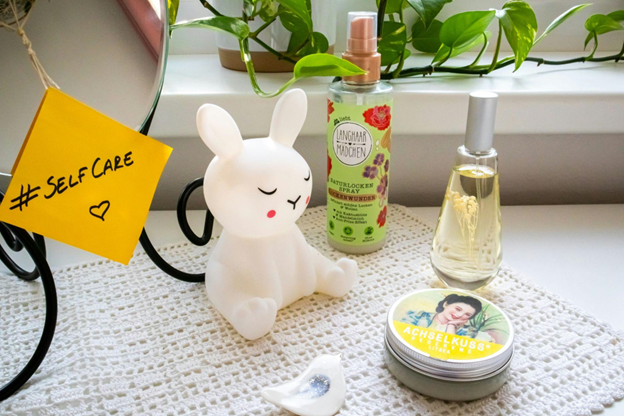
Feeling put together rarely comes from dramatic transformations or complicated routines. For most people, the difference often comes down to a handful of consistent habits that improve energy, appearance, and overall confidence gradually over time. Small daily routines tend to have a stronger long-term effect than occasional attempts to completely reset health, beauty, or wellness habits all at once.
Modern self-care is also shifting away from unrealistic perfection. Instead of trying to follow overly complicated routines, many people are focusing on sustainable habits that help them feel more comfortable, organized, and confident during ordinary daily life. This includes everything from skincare and hair care to sleep quality, hydration, and creating moments of calm within busy schedules.
The routines that last are usually the ones that fit naturally into real life rather than requiring constant effort or major lifestyle changes. When self-care becomes manageable and consistent, people often notice improvements not only in appearance but also in mood, focus, and overall well-being.
Hair Care Often Shapes How Polished People Feel
Hair tends to influence overall appearance more than many people initially realize. Even simple styling routines can affect whether someone feels prepared and confident throughout the day.
This is one reason many people focus on maintaining healthier hair rather than relying entirely on styling products or occasional salon visits. Consistent scalp care, hydration, and lightweight maintenance routines often help hair feel more manageable and easier to style over time.
Products like AHK-CU hair tonic are increasingly discussed by people interested in supporting scalp-focused routines because healthy-looking hair often begins with long-term maintenance rather than quick cosmetic fixes alone. Small improvements in hair condition can noticeably change how polished daily routines feel overall.
Skincare Routines Work Best When They Stay Consistent
Many people assume effective skincare requires large collections of products or complicated multi-step systems. In reality, consistency usually matters more than complexity.
Simple routines involving cleansing, hydration, sun protection, and gentle maintenance often produce stronger long-term results than constantly changing products or overcorrecting minor issues. Skin tends to respond better when routines remain stable and manageable.
Wellness-focused skincare brands like https://www.naturopathica.com/ appeal to consumers looking for routines that feel calming and sustainable rather than overly aggressive or trend-driven. Many people now prefer skincare approaches connected to relaxation and overall well-being instead of purely appearance-focused goals.
Sleep Quality Influences Appearance More Than Expensive Products
One of the most overlooked self-care habits is sleep consistency. Fatigue affects nearly every visible aspect of appearance, including skin tone, under-eye swelling, posture, mood, and overall energy levels.
Even high-quality beauty products often provide limited improvement if someone consistently lacks rest. Sleep also affects stress regulation, hydration balance, and recovery processes that influence both physical appearance and emotional stability.
This is why many modern wellness routines focus less on isolated beauty treatments and more on overall recovery habits. Creating evening routines that encourage better sleep frequently improves how people feel during the day more effectively than adding more products alone.
Clothing Habits Affect Confidence Quickly

Feeling put together is often connected to comfort and preparation rather than dressing formally every day. Clothes that fit properly, feel comfortable, and align with personal style usually improve confidence more consistently than constantly chasing trends.
Many people simplify their routines by building wardrobes around versatile basics, neutral layers, and pieces that reduce decision fatigue during busy mornings. This approach often creates a more polished appearance without requiring constant shopping or dramatic styling effort.
Small habits like preparing outfits in advance, maintaining organized storage, or focusing on clothing quality over quantity can significantly reduce stress while improving daily consistency.
Hydration and Nutrition Influence Energy and Appearance
Basic physical habits still play a major role in how people look and feel daily. Hydration affects skin texture, energy levels, concentration, and overall physical comfort more than many people realize.
Similarly, nutrition patterns often influence mood stability and energy consistency throughout the day. This does not necessarily require extreme dieting or rigid wellness plans. More often, small improvements in meal consistency and hydration create noticeable long-term benefits.
The Cleveland Clinic notes that consistent hydration, balanced nutrition, and sleep habits all contribute to physical and mental wellness over time. Self-care routines tend to work best when foundational habits support the body overall rather than focusing only on surface-level appearance.
Small Organizational Habits Reduce Daily Stress
Feeling put together is not only about appearance. Daily organization strongly affects emotional well-being and confidence levels too.
Simple habits like maintaining cleaner spaces, preparing schedules ahead of time, reducing clutter, or setting aside short periods for personal routines often make daily life feel calmer and more manageable. These habits reduce mental overload while improving overall focus.
People frequently underestimate how strongly environmental stress affects mood and self-perception. Even small improvements in routine structure often create a stronger sense of control throughout busy days.
Self-Care Works Best When It Feels Realistic
One reason many people struggle maintaining self-care routines is because they attempt unrealistic systems that become exhausting quickly. Complicated routines may feel motivating initially but often become difficult to sustain consistently.
The routines that tend to last are usually simple enough to repeat even during stressful periods. Small consistent habits generally create stronger long-term results than occasional intense efforts followed by burnout.
This shift toward manageable wellness routines reflects changing attitudes around self-care overall. More people now prioritize feeling balanced and functional rather than trying to maintain perfection constantly.
Feeling Put Together Usually Comes From Consistency
People who consistently appear polished or organized are often not spending dramatically more time on self-care than everyone else. More commonly, they rely on routines that reduce friction and create small moments of stability throughout the day.
Hair care, skincare, hydration, sleep, organization, and comfortable styling habits all work together gradually rather than producing immediate dramatic changes. The combined effect of these routines often influences confidence more than any individual product or treatment alone.
Feeling more put together every day usually comes less from chasing idealized perfection and more from building simple habits that support comfort, confidence, and consistency over time.