Children develop communication skills at different speeds, but confidence often grows through repeated positive experiences rather than pressure alone. Early speech development is closely connected to social interaction, emotional comfort, listening habits, and opportunities to practice language naturally throughout everyday life. The activities children engage with regularly can significantly influence how comfortable they feel expressing themselves over time.
Parents and educators increasingly understand that speech confidence is not simply about pronunciation or vocabulary. Children also need environments where they feel encouraged to participate, make mistakes safely, and gradually build communication skills through play, storytelling, repetition, and interactive learning. When speech-related activities feel engaging instead of intimidating, children are often more willing to practice consistently.
This is especially important during early childhood because communication confidence can influence classroom participation, social interaction, and emotional development long before formal academic performance becomes the primary focus.
Repetition Helps Children Feel More Comfortable Speaking
Young children often build confidence through predictable repetition. Songs, rhymes, repeated stories, and structured language games create familiarity that reduces anxiety around speaking aloud.
When children already know what comes next, they tend to participate more willingly because they feel less pressure to respond perfectly. Repetition also strengthens sound recognition and improves verbal coordination gradually through practice rather than correction alone.
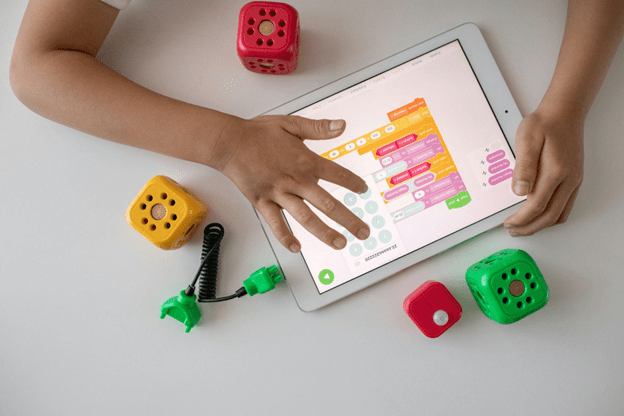
Many platforms such as Danireon focus on interactive experiences because children often respond more positively to speech development when learning feels playful and visually engaging rather than overly structured or clinical.
Reading Aloud Encourages Verbal Confidence
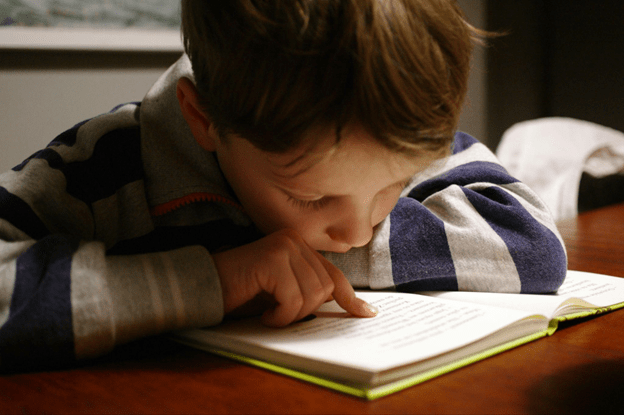
Reading aloud remains one of the most effective activities for encouraging early communication skills. Listening to stories exposes children to sentence structure, vocabulary patterns, emotional expression, and conversational rhythm in a natural way.
Children who participate in shared reading activities often become more comfortable experimenting with language themselves. Asking simple questions during reading sessions also helps encourage verbal interaction without making children feel tested or pressured.
Books with repetitive phrases or predictable storytelling patterns are especially useful because children begin anticipating language naturally. This anticipation often increases verbal participation over time.
Sound Practice Works Best When It Feels Interactive
Speech sound development can become frustrating for children if practice feels overly corrective or repetitive in a negative way. Activities tend to work better when they involve games, visuals, movement, or storytelling rather than isolated drills alone.
This is particularly true for children practicing difficult sounds that require more coordination and repetition. Parents and speech professionals increasingly use playful learning tools connected to f sound speech therapy because interactive activities often help children stay engaged longer while building pronunciation confidence gradually.
Positive reinforcement usually plays a major role as well. Children often become more willing to practice speech sounds consistently when the experience feels encouraging instead of stressful.
Social Play Encourages Natural Communication
Children frequently build speech confidence more effectively during relaxed social interaction than during formal instruction alone. Pretend play, cooperative games, group storytelling, and imaginative activities all create opportunities for natural conversation.
These interactions help children practice taking turns speaking, listening actively, responding emotionally, and expressing ideas without focusing entirely on correctness. Communication becomes connected to enjoyment and connection rather than performance.
This is one reason early childhood specialists often emphasize play-based learning environments. Children who feel emotionally comfortable are generally more likely to communicate openly and experiment with language confidently.
Parents Influence Communication Habits Daily
Speech development does not happen only during structured educational activities. Everyday routines often provide the most valuable opportunities for children to practice communication naturally.
Simple conversations during meals, shopping trips, bedtime routines, or outdoor activities help children develop vocabulary and conversational rhythm gradually over time. Parents who model active listening and patient responses also create environments where children feel more comfortable expressing themselves freely.
The goal is not constant correction. Excessive correction can sometimes reduce confidence, especially for younger children who are still learning how speech patterns develop naturally.
Music and Rhythm Strengthen Language Skills
Songs, rhythm games, and musical repetition are especially effective for younger children because rhythm supports memory and sound recognition simultaneously. Children often repeat lyrics or rhythmic phrases more comfortably than isolated spoken exercises.
Music also reduces some of the pressure associated with direct speech practice because participation feels more playful and collaborative. Many educational programs incorporate rhythm intentionally because it helps reinforce pronunciation patterns and verbal timing.
According to the American Speech-Language-Hearing Association, early communication development benefits from interactive experiences involving listening, speaking, play, and social engagement. Consistent exposure to language-rich environments plays a major role in building confidence over time.
Visual Learning Helps Many Children Participate More Easily
Some children respond more confidently when speech activities include visual support. Pictures, flashcards, gestures, illustrations, and visual storytelling often help children process language more comfortably while reducing frustration.
Visual reinforcement also helps children connect sounds with recognizable objects or actions more naturally. This can improve understanding while making communication activities feel less abstract or intimidating.
Interactive visuals are especially useful for children who feel hesitant speaking initially because they create additional ways to participate beyond verbal responses alone.
Confidence Usually Builds Gradually Through Consistency
Speech confidence rarely develops overnight. Most children improve gradually through repeated positive interaction, patient encouragement, and regular opportunities to communicate without fear of embarrassment or failure.
The most effective activities are usually the ones children enjoy enough to repeat consistently. Learning through games, stories, music, visual play, and everyday conversation often produces stronger long-term confidence because communication becomes associated with comfort and connection.
Early speech development is not only about producing sounds correctly. It is also about helping children feel safe expressing ideas, participating socially, and trusting their own ability to communicate with the people around them.