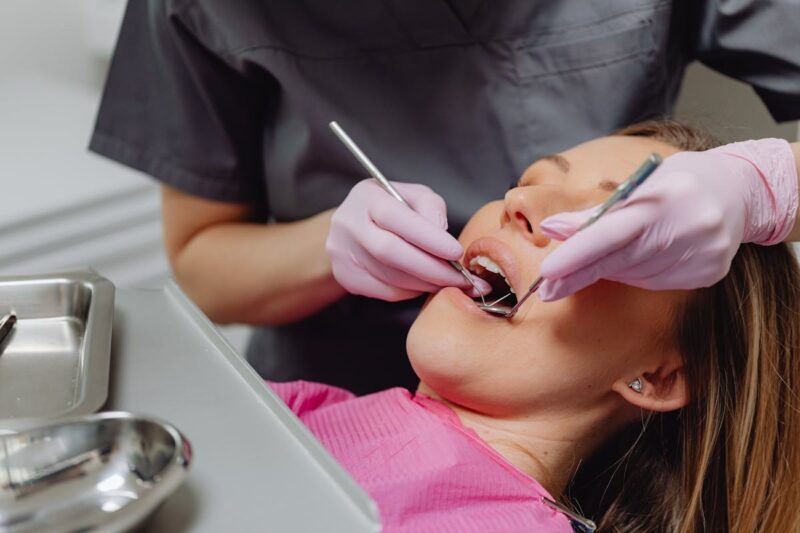
When a tooth sustains significant damage from decay, trauma, or wear, the path to restoration often leads to a crown — yet the American Dental Association reports that many patients experience anxiety about the procedure simply because they don’t understand what’s involved. Modern dental crown procedures have evolved dramatically over the past decade, with digital impressions and same-day options transforming what was once a multi-week process into something far more streamlined and comfortable.
The stakes matter more than most people realize. A damaged tooth that goes untreated doesn’t just affect your ability to chew or smile confidently — it creates a cascade of problems that can impact adjacent teeth, your bite alignment, and even your overall oral health. Understanding the crown procedure before you need it helps eliminate uncertainty and ensures you can make informed decisions when the time comes.
For the millions of people who will receive their first dental crown this year, knowing what happens during each visit, which materials work best for different situations, and how to ensure long-term success can make the difference between a smooth experience and unnecessary complications. Here’s what actually happens during the crown process, from initial assessment through final placement and beyond.
Why Dental Crowns Matter and When You Need One
A dental crown functions as a protective cap that covers the entire visible portion of a damaged tooth, restoring both its shape and strength while preventing further deterioration. Unlike fillings that patch specific areas of decay, crowns provide complete coverage — essentially giving the tooth a new outer shell that can withstand the forces of normal chewing and biting.
The most obvious candidates for crowns are teeth with large cavities that have compromised too much of the original tooth structure for a simple filling. But the need often extends beyond basic decay. Teeth that have undergone root canal treatment require crowns because the procedure removes the tooth’s blood supply, making the remaining structure brittle and prone to fracturing under pressure. Similarly, teeth with significant cracks, chips from trauma, or severe wear from grinding often need the comprehensive protection that only a crown can provide.
Aesthetic concerns drive many crown decisions as well. A tooth with severe discoloration that doesn’t respond to whitening, unusual shape, or visible damage in the smile zone can be transformed with a crown that matches the surrounding teeth perfectly. This dual function — protection and appearance — makes crowns uniquely valuable in both restorative and cosmetic dentistry.
The timing of crown placement often determines the success of the treatment. A tooth showing early signs of structural compromise might need only a crown, while waiting too long could necessitate root canal treatment or even extraction. Warning signs include persistent sensitivity to temperature, pain when biting down, visible cracks or chips, and areas where the tooth feels rough or sharp against your tongue. Catching these issues early means preserving more of your natural tooth structure and avoiding more extensive procedures down the road.
How Does the Dental Crown Procedure Work
The traditional crown process unfolds across two separate appointments, each with distinct purposes and procedures. During the first visit, your dentist begins with a thorough examination and often takes X-rays to assess the tooth’s root and surrounding bone structure. Local anesthesia ensures comfort throughout the preparation process.
Tooth preparation represents the most critical phase of crown treatment. The dentist removes decay and shapes the tooth by reducing its size on all surfaces — typically removing about 1-2 millimeters of tooth structure to create space for the crown material. This reduction ensures the crown won’t make the tooth appear bulky or affect your bite. For teeth requiring significant structural repair, the dentist may need to build up the tooth with filling material before shaping it for the crown.
Once prepared, the dentist takes detailed impressions of the shaped tooth and surrounding teeth. Traditional impressions use putty-like material that captures exact measurements, while newer digital scanners create precise 3D images instantly. These impressions travel to a dental laboratory where skilled technicians craft your permanent crown over the following 1-2 weeks.
A temporary crown protects the prepared tooth between appointments. Made from acrylic or composite material, this placeholder maintains the tooth’s appearance and prevents sensitivity while allowing normal function with some dietary restrictions. The temporary crown is cemented with weaker cement, making removal easier at the second appointment.
The final appointment focuses on fit, function, and permanent placement. Your dentist removes the temporary crown, cleans the tooth, and tries in the permanent crown to check fit, color match, and bite alignment. Minor adjustments are common and expected. Once satisfied with the fit, the dentist permanently cements the crown using strong dental cement and ensures your bite feels natural and comfortable.
However, technological advances now offer advanced same day crown treatment that can complete the entire process in a single visit, eliminating the need for temporary crowns and multiple appointments through computer-aided design and milling technology.
Which Types of Dental Crowns Are Used and Their Benefits
Crown materials have evolved significantly, with each type offering distinct advantages based on the tooth’s location, the patient’s bite forces, and aesthetic requirements. Understanding these differences helps patients make informed decisions about their treatment.
Metal, Porcelain-Fused-to-Metal, and Ceramic Crowns
Metal crowns, typically made from gold alloys or base metal alloys, provide exceptional durability and longevity. They resist wear, rarely chip or break, and require minimal tooth removal during preparation. However, their metallic appearance makes them suitable primarily for back teeth where aesthetics matter less than function. Many dentists still recommend gold crowns for molars in patients with heavy bite forces.
Porcelain-fused-to-metal (PFM) crowns combine metal strength with porcelain aesthetics. A metal substructure provides durability while a porcelain outer layer creates a natural tooth appearance. These crowns offer good strength and acceptable aesthetics but can show a dark metal line at the gum line over time, particularly if gums recede. They work well for back teeth and some front teeth where the metal margin won’t be visible.
All-ceramic crowns, including pressed ceramic options, provide the most natural appearance and work exceptionally well for front teeth. Modern ceramic materials like lithium disilicate offer strength approaching that of PFM crowns while maintaining superior aesthetics. These crowns allow light transmission similar to natural teeth, creating the most lifelike appearance. They’re also the best choice for patients with metal allergies or sensitivities.
Resin and Same-Day Crown Options
All-resin crowns represent the most economical option but come with trade-offs in durability. Made from composite resin materials, they can be color-matched well but wear down faster than other materials and are more prone to fracturing. They work best as temporary solutions or for patients with limited budgets who understand the need for eventual replacement.
Same-day crowns, created using CAD/CAM technology, are typically made from ceramic blocks milled in the dental office. These crowns eliminate the need for impressions, temporary crowns, and second appointments. The dentist uses digital scanning to capture exact measurements, designs the crown on computer software, and mills it from a ceramic block in about 15-20 minutes. While convenient, the ceramic blocks available for same-day crowns may have slightly different properties than laboratory-crafted alternatives, though the gap continues to narrow as technology improves.
The choice between these materials depends on factors including the tooth’s location, the patient’s bite forces, aesthetic requirements, budget considerations, and the dentist’s recommendation based on the specific clinical situation.
What Risks and Recovery Should You Expect After a Crown
While dental crown procedures have high success rates, understanding potential complications helps patients recognize problems early and seek appropriate care. Most issues that do arise are minor and easily addressed when caught promptly.
Sensitivity represents the most common post-procedure experience, particularly sensitivity to hot and cold temperatures. This typically occurs because the crown placement process can irritate the tooth’s nerve, even when the procedure goes smoothly. Most sensitivity resolves within a few days to two weeks as the tooth adjusts to its new crown. Using toothpaste designed for sensitive teeth and avoiding extreme temperatures during the initial healing period usually provides relief.
Crown fit issues occasionally require adjustments. A crown that sits too high can create bite problems, leading to discomfort when chewing and potential damage to opposing teeth. Conversely, a crown with gaps at the margin allows bacteria to enter, potentially causing decay beneath the crown. Most fit issues become apparent immediately after placement and can be corrected with minor adjustments during the appointment.
More serious complications, while uncommon, require prompt attention. Crown fracture or dislodgement can occur from trauma or biting on hard objects. A loose crown should be addressed immediately to prevent bacteria from entering the space and potentially causing infection. Similarly, persistent pain, swelling, or sensitivity that worsens rather than improves may indicate nerve damage requiring root canal treatment.
Recovery guidelines support optimal healing and long-term success. Patients should avoid chewing sticky or hard foods for the first 24-48 hours while the cement fully sets. Temporary crowns require extra caution — avoiding sticky foods entirely and chewing on the opposite side when possible. Normal oral hygiene should continue, though gentle brushing around the crown area helps prevent irritation.
The success rate for dental crowns exceeds 95% when proper technique is used and patients follow post-procedure care instructions. Most crowned teeth function normally for 10-15 years or longer with appropriate care and maintenance.
How to Maintain Your Dental Crown for Lasting Success
A well-maintained crown can last 15-20 years or even longer, but longevity depends heavily on daily care habits and lifestyle factors. The good news is that crowned teeth require essentially the same care as natural teeth, with a few specific considerations.
Daily hygiene practices remain the foundation of crown maintenance. Brushing twice daily with fluoride toothpaste and flossing around crowned teeth helps prevent decay at the crown margins — the area where the crown meets the natural tooth. This junction represents the most vulnerable spot, as bacteria can accumulate there and potentially cause decay in the remaining natural tooth structure beneath the crown.
Dietary awareness protects against crown damage. While modern crown materials are remarkably strong, they’re not indestructible. Chewing ice, opening packages with teeth, or biting down on hard objects like pens can chip or crack crowns. Sticky candies pose a particular risk to temporary crowns but can also dislodge permanent crowns over time.
Regular dental checkups allow your dentist to monitor the crown’s condition and catch potential problems before they become serious. Professional cleanings remove plaque and tartar that home care might miss, particularly around crown margins. X-rays taken during routine visits can reveal decay beneath crowns that isn’t visible during visual examination.
Signs that indicate crown replacement may be needed include visible wear, chips or cracks, looseness, or recurrent decay around the crown margins. Changes in bite or persistent discomfort when chewing also warrant evaluation. Most crowns eventually need replacement due to normal wear, changes in the surrounding teeth, or gum recession that exposes crown margins.
The investment in proper crown maintenance pays dividends in both oral health and economics. A crown that lasts 15-20 years provides excellent value compared to the cost and inconvenience of premature replacement. More importantly, maintaining the crowned tooth preserves your ability to chew comfortably and smile confidently for years to come.