Businesses across industries are facing increasing pressure to optimize space, improve efficiency, and adapt to changing operational requirements. Whether supporting construction projects, managing temporary workspaces, or expanding storage capacity, companies increasingly need flexible solutions that can be implemented quickly and efficiently.
Traditional structures and permanent installations are not always practical for every situation. As organizations look for more adaptable alternatives, modular solutions continue gaining attention for their ability to support changing business requirements without creating unnecessary complexity.
Space Flexibility Matters More Than Ever
Business needs rarely remain static. Construction sites shift locations, seasonal demand changes inventory requirements, and organizations frequently need temporary infrastructure for projects or operational expansion.
Permanent construction often requires additional planning, longer timelines, and higher upfront investment. Flexible modular solutions provide an alternative approach that can adapt to changing circumstances more efficiently.
Organizations increasingly seek solutions that allow infrastructure to expand or relocate without creating significant disruption. Adaptability often becomes just as important as functionality itself.
The U.S. Small Business Administration Business Planning Resources emphasizes planning for operational growth and changing business requirements. Flexible infrastructure solutions can support that type of long-term operational planning.
Transportation and Logistics Continue to Influence Decisions
Moving equipment, materials, and structures creates logistical considerations that directly affect costs and project timelines.
Traditional shipping containers and modular structures can present transportation challenges due to their size and delivery requirements. Businesses often look for ways to simplify transportation while reducing complexity around installation and setup.
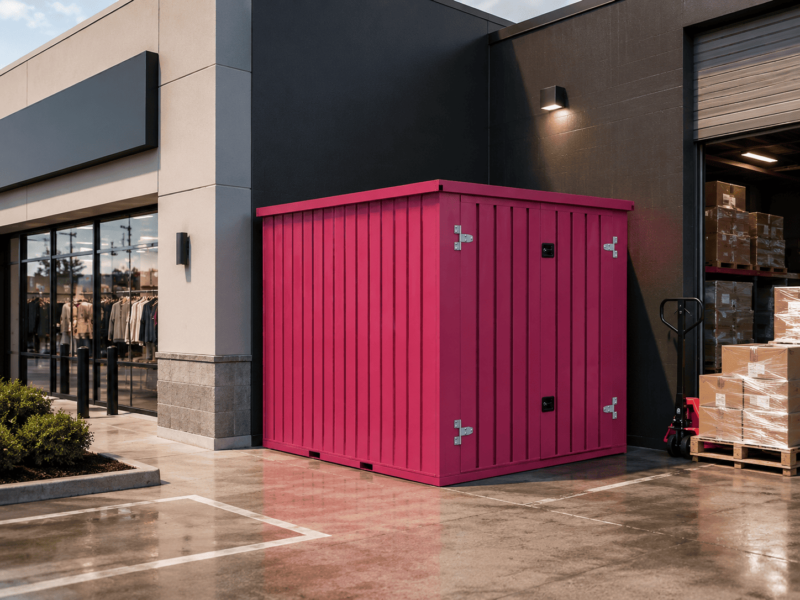
Companies researching Flat Pack Containers resources may be looking for information related to transport efficiency, adaptable space solutions, and modular infrastructure that supports changing operational demands.
Solutions designed around simplified transport requirements can help organizations improve efficiency while reducing logistical complications.
Modular Infrastructure Supports Multiple Applications
One reason modular systems continue gaining attention is versatility. Rather than serving a single purpose, these solutions can support a variety of operational needs across industries.
Examples may include:
- Temporary office spaces
- Construction site facilities
- Equipment storage
- Workforce accommodations
- Inventory overflow space
- Remote project support areas
Businesses often prefer infrastructure investments that remain useful even as operational requirements evolve.
This type of flexibility allows organizations to use resources more efficiently while reducing the need for multiple independent solutions.
Scalability Helps Organizations Respond Faster
Growth and operational shifts rarely happen on a perfectly predictable timeline. A company may need additional capacity quickly because of seasonal demand, project expansion, or changing customer requirements.
Scalable solutions can help reduce delays by allowing businesses to respond more rapidly without waiting for extensive construction or infrastructure changes.
The National Institute of Standards and Technology Manufacturing Resources highlights the importance of efficiency and adaptability within modern operational environments.
Infrastructure flexibility supports those goals by allowing businesses to align space requirements more closely with real-time operational needs.
Long-Term Planning Requires Practical Solutions
Many organizations now evaluate infrastructure decisions through both operational and financial perspectives. Instead of selecting solutions based solely on immediate requirements, businesses increasingly look for systems that support future adaptability.
Modular options can create opportunities for organizations to adjust configurations, relocate resources, or scale operations with fewer disruptions.
This does not eliminate the need for traditional facilities, but it provides another approach for companies requiring flexibility and efficiency.
Conclusion
Business environments continue evolving, creating new demands around space, logistics, and operational adaptability. Solutions that support flexibility and scalable infrastructure can help organizations respond more effectively to changing requirements.
As companies continue evaluating practical ways to optimize operations, modular approaches may play an increasingly important role in supporting long-term business goals.
Additional Resources
For readers exploring flexible infrastructure and modular space options, additional information on Storage Containers may be helpful.