According to the American Dental Association’s 2024 clinical guidelines, dental implants maintain a 95% success rate over 10 years — yet they represent just one of several viable tooth replacement approaches, each with distinct advantages depending on a patient’s unique circumstances. As dental technology continues advancing and treatment costs evolve, the landscape of tooth replacement has become more nuanced than the simple “implants are always best” narrative that dominated discussions a decade ago.
For the millions of Americans facing tooth loss each year, this complexity creates both opportunity and confusion. The choice between implants, bridges, and various denture options now depends on factors ranging from bone density and gum health to lifestyle priorities and long-term oral health goals. What works optimally for a 35-year-old athlete with strong jawbone structure may not align with the needs of a 65-year-old managing diabetes and multiple missing teeth.
Understanding these distinctions matters more than ever as dental practices increasingly emphasize personalized treatment planning over one-size-fits-all recommendations. The decision you make today about tooth replacement will influence your oral health, daily comfort, and maintenance requirements for decades to come.
How Do Tooth Replacement Options Affect Your Oral Health and Lifestyle?
The impact of tooth replacement extends far beyond cosmetics, creating cascading effects throughout your oral and overall health. When you lose a tooth, the surrounding jawbone begins resorbing — essentially shrinking from lack of stimulation — within just three months. This process doesn’t stop on its own, leading to facial collapse, shifting of adjacent teeth, and bite alignment problems that compound over time.
Different replacement options address this bone loss challenge in fundamentally different ways. Dental implants directly stimulate the jawbone through their titanium roots, effectively halting the resorption process and maintaining facial structure. Traditional bridges and dentures, while restoring function and appearance, don’t provide this bone stimulation, allowing the gradual deterioration to continue beneath the prosthetic.
The lifestyle implications vary significantly between options. Consider someone who travels frequently for work and needs reliable, low-maintenance tooth replacement. Implants require minimal daily care beyond normal brushing and flossing, while removable dentures demand specialized cleaning routines, adhesives, and careful handling. A bridge falls somewhere between — easier daily maintenance than dentures, but requiring threading floss underneath the prosthetic crown.
Your eating experience changes dramatically depending on the replacement type chosen. Implants restore nearly 100% of natural chewing force, allowing you to eat corn on the cob, bite into apples, or enjoy tough steaks without concern. Well-fitted dentures typically restore about 20-25% of natural chewing force, while bridges achieve roughly 70-80% of normal function.
The psychological impact shouldn’t be underestimated either. Many denture wearers report anxiety about their prosthetics slipping during important conversations or meals, while implant patients generally forget they have artificial teeth at all. These confidence factors influence social interactions, professional situations, and overall quality of life in ways that purely clinical measurements can’t capture.
What Are the Main Types of Tooth Replacement and Their Material Differences?
Types of Tooth Replacement: Implants, Bridges, and Dentures
The three primary categories of tooth replacement each solve the problem of missing teeth through different structural approaches. Dental implants replace both the tooth root and crown by surgically placing a titanium post into the jawbone, which then supports a custom crown, bridge, or denture. This approach treats each missing tooth as an individual unit requiring its own foundation.
Traditional fixed bridges anchor to adjacent healthy teeth, grinding them down to create abutments that support a connected series of crowns spanning the gap. The bridge becomes a single unit connecting multiple teeth — both the replacement teeth and the supporting natural teeth on either side. For multiple missing teeth, bridges can extend across larger spans but require sufficient healthy anchor teeth.
Removable dentures rest on the gums and underlying bone, held in place through suction, natural oral anatomy, or adhesives. Partial dentures replace some missing teeth while clasping onto remaining natural teeth for stability. Full dentures replace an entire arch of teeth, relying primarily on proper fit and oral muscle control for retention.
Each approach creates different dependencies and maintenance requirements. Implants function independently without affecting other teeth. Bridges create permanent connections between teeth, meaning problems with one component can affect the entire restoration. Dentures require the most active patient involvement for daily care and periodic adjustments as the underlying tissues change over time.
Differences in Materials for Dental Prosthetics
Modern tooth replacement materials have evolved significantly, with each offering specific performance characteristics that influence durability, appearance, and biocompatibility. Titanium remains the gold standard for implant posts due to its unique ability to integrate directly with bone tissue through osseointegration, creating a permanent biological bond that can last decades.
Crown and bridge materials range from traditional gold alloys to modern ceramics like zirconia and lithium disilicate. Porcelain-fused-to-metal crowns offer strength and reasonable aesthetics but can show dark lines at the gum margin over time. All-ceramic options provide superior aesthetics and biocompatibility but require adequate thickness to prevent fracture.
Denture base materials have diversified beyond traditional pink acrylic resin. Valplast partial dentures use a flexible thermoplastic that eliminates metal clasps, creating more aesthetic retention through flexible resin extensions that blend with gum tissue. These materials offer improved comfort and appearance but may have shorter lifespans than traditional metal-clasped partials.
Advanced ceramics and hybrid materials continue emerging, with some practices now offering same-day crowns milled from ceramic blocks, or flexible partial dentures that combine the aesthetics of Valplast with the durability of traditional materials. The material choice significantly affects both immediate costs and long-term replacement schedules, making it a crucial factor in treatment planning.
What Are the Advantages and Disadvantages of Implants Compared to Other Options?
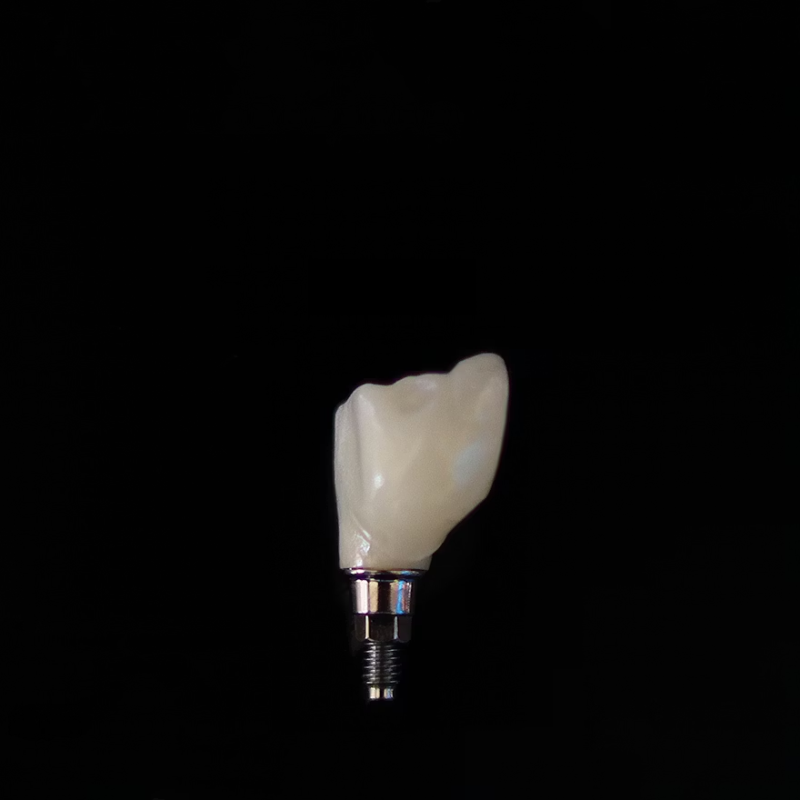
Dental implants offer several compelling advantages that have made them increasingly popular over the past two decades. Their ability to preserve jawbone through direct stimulation represents perhaps their most significant long-term benefit, preventing the facial collapse commonly seen in long-term denture wearers. Implants also provide the closest approximation to natural tooth function, restoring nearly full chewing force and allowing unrestricted diet choices.
The independence of implants creates both functional and maintenance advantages. Unlike bridges, which connect multiple teeth and make one restoration dependent on several natural teeth, implants function as standalone units. If one implant experiences problems, it doesn’t automatically compromise adjacent teeth. This isolation also simplifies oral hygiene — you can floss around implants exactly like natural teeth, while bridges require special threaders or water flossers to clean underneath the pontic.
However, implants carry distinct disadvantages that make them unsuitable for some patients. The surgical requirement creates risks including infection, nerve damage, and sinus complications, particularly for upper posterior implants. Healing time extends 3-6 months before final restoration, during which patients need temporary solutions. Success depends heavily on adequate bone volume and density — many patients require additional bone grafting procedures that extend treatment time and increase costs significantly.
Cost represents another significant consideration. While implants often provide better long-term value due to their longevity, the upfront investment typically exceeds bridges or dentures substantially. Insurance coverage remains limited for implants compared to traditional prosthetics, creating financial barriers for many patients.
Bridges offer faster completion — typically 2-3 weeks from start to finish — and avoid surgery entirely. They provide good function and aesthetics at a lower initial cost than implants. However, bridges sacrifice healthy tooth structure on adjacent teeth, potentially compromising their long-term health. The average bridge requires replacement every 10-15 years, and if an abutment tooth develops problems, the entire bridge may need replacement.
For patients considering implants for missing teeth, the decision often comes down to weighing immediate convenience against long-term oral health benefits. The investment in implant treatment typically pays dividends in preserved bone structure and simplified maintenance over decades of use.
Which Patient Factors and Best Practices Influence Dental Implant Success?
Successful implant outcomes depend on a complex interplay of patient factors, timing considerations, and clinical execution. Bone density and volume represent the primary determinants of implant feasibility — the jawbone must provide adequate support for the titanium post while maintaining sufficient thickness to avoid damaging adjacent structures like nerves or sinuses.
Systemic health conditions significantly influence healing and long-term success rates. Diabetes, particularly when poorly controlled, impairs wound healing and increases infection risk around implants. Heavy smoking reduces blood flow to healing tissues, with studies showing success rates dropping by 10-15% in smokers compared to non-smokers. Certain medications, including bisphosphonates used for osteoporosis, can complicate implant healing and require careful treatment planning.
Age itself doesn’t disqualify patients from implants, but the accumulation of health issues common in older adults requires thorough evaluation. A healthy 75-year-old may be an excellent implant candidate, while a 45-year-old with uncontrolled diabetes might face higher risks. The key lies in comprehensive medical screening and honest discussion about lifestyle factors that influence healing.
Timing of implant placement affects both success rates and final aesthetic outcomes. Immediate placement at the time of extraction preserves bone architecture but requires specific conditions including adequate bone walls and absence of active infection. Delayed placement after 8-12 weeks allows complete soft tissue healing but may require additional bone grafting if significant resorption occurs.
Maintenance practices established early in the healing process largely determine long-term implant health. Unlike natural teeth, implants can’t fight bacterial infections through immune responses within the tooth structure. This makes meticulous oral hygiene even more critical around implants than natural teeth. Patients who maintain excellent oral hygiene and attend regular professional cleanings typically enjoy implant success rates exceeding 95% over decades.
Lifestyle factors including teeth grinding, contact sports participation, and dietary habits influence implant longevity. Night guards protect implants from excessive forces during sleep, while proper technique and protective equipment prevent trauma during sports activities. Understanding these requirements upfront helps patients make informed decisions about whether implants align with their lifestyle and commitment level.
What Does Research Reveal About Future Trends in Tooth Replacement?
Emerging research in implant surface technology promises improved integration rates and faster healing times through advanced surface treatments and bioactive coatings. Manufacturers are developing implant surfaces that actively promote bone formation rather than simply allowing it, potentially reducing healing periods from months to weeks while improving success rates in challenging cases like diabetic patients or those with compromised bone quality.
Digital treatment planning and guided surgery continue revolutionizing implant precision and predictability. Computer-guided implant placement allows surgeons to plan exact positioning virtually, then transfer that plan to the patient’s mouth through surgical guides. This technology reduces surgical time, improves accuracy, and enables immediate temporary crowns in many cases — addressing patient concerns about extended healing periods without teeth.
Materials science advances are producing stronger, more biocompatible options for both implants and prosthetics. Zirconia implants offer metal-free alternatives for patients with titanium sensitivities, while new ceramic materials provide improved strength and aesthetics for crowns and bridges. These developments particularly benefit patients in the aesthetic zone where metal visibility concerns previously limited treatment options.
Research into systemic disease impacts on implant success is yielding more nuanced treatment protocols. Recent studies on diabetes management around implant surgery show that patients with well-controlled blood sugar achieve success rates nearly equivalent to non-diabetic patients, while new approaches to smoking cessation support are improving outcomes for patients willing to quit tobacco use during healing.
The integration of artificial intelligence in treatment planning is beginning to predict implant success rates more accurately by analyzing patient factors, bone quality, and healing patterns from thousands of previous cases. This technology promises more personalized treatment recommendations and better patient education about realistic expectations for their specific circumstances.