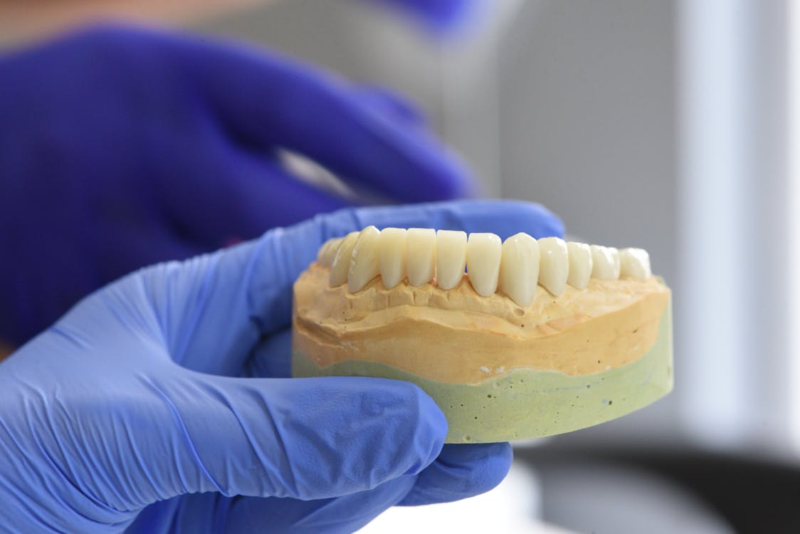
When a tooth’s structure becomes compromised—whether from decay, trauma, or extensive dental work—the choice between restoration and extraction often hinges on what dental technology can accomplish. According to the American Dental Association’s 2023 Practice Management Survey, dental crowns represent one of the most frequently performed restorative procedures, with success rates exceeding 90% when properly maintained over 10-year periods. Yet many patients in Oak Lawn and surrounding communities remain uncertain about how crowns actually work and when they become the preferred treatment option.
The landscape of restorative dentistry has evolved considerably in recent years, with advances in materials science and digital fabrication making crowns more durable and aesthetically pleasing than ever before. What once required multiple appointments and temporary solutions now often involves same-day procedures with computer-aided design and manufacturing. For individuals facing decisions about damaged or weakened teeth, understanding how modern crowns address both functional restoration and cosmetic enhancement has become essential to making informed choices about their oral health.
The dual nature of crown benefits—protecting tooth structure while improving smile appearance—makes them uniquely valuable in contemporary dental practice, bridging the gap between necessity and aesthetics in ways that weren’t possible just a decade ago.
How Do Dental Crowns Improve Function and Appearance?
Dental crowns serve as protective caps that completely encase the visible portion of a damaged tooth, fundamentally changing how that tooth performs within your mouth’s complex ecosystem. When a tooth loses significant structure due to large fillings, root canal treatment, or fractures, its ability to withstand normal chewing forces becomes compromised. A crown essentially creates a new outer shell that distributes biting pressure evenly across the tooth’s foundation, preventing further breakdown and potential tooth loss.
The functional restoration goes beyond simple protection. Consider someone whose molar developed a large crack from grinding their teeth at night—without a crown, each bite could propagate that crack deeper into the tooth structure, eventually requiring extraction. The crown stops this progression while restoring the tooth’s original shape and contact points with adjacent teeth, maintaining proper bite alignment and preventing the shifting that often occurs when teeth are lost.
From an aesthetic standpoint, crowns offer remarkable versatility in smile enhancement. Modern all-ceramic materials can be precisely color-matched to surrounding teeth, with optical properties that mimic natural tooth enamel’s translucency and light reflection. The crown’s shape can be subtly modified to improve tooth proportion, close small gaps, or create better alignment within the smile line—addressing cosmetic concerns that might otherwise require orthodontic treatment.
The transformation often surprises patients who initially viewed crowns as purely functional necessities. A front tooth crown can eliminate years of self-consciousness about a discolored or misshapen tooth, while back teeth crowns restore confident chewing without the constant awareness of a weakened tooth. This psychological benefit of restored function—being able to eat normally without worry—represents an often-overlooked aspect of how crowns improve quality of life beyond their technical specifications.
What Materials and Types of Dental Crowns Are Available?
The evolution of crown materials reflects broader advances in dental technology, with each option offering distinct advantages based on location, function, and aesthetic requirements. Understanding these differences helps patients make informed decisions about which crown type best serves their specific situation and long-term goals.
Characteristics of Porcelain, Metal, and Ceramic Crowns
All-ceramic crowns represent the current standard for anterior teeth where appearance matters most. These crowns, typically made from lithium disilicate or zirconia, provide excellent color matching and natural translucency while maintaining adequate strength for front-tooth function. Their primary advantage lies in their ability to blend seamlessly with natural teeth—under normal lighting conditions, a well-crafted ceramic crown becomes virtually indistinguishable from adjacent tooth structure.
Porcelain-fused-to-metal crowns combine a metal substructure with a porcelain overlay, offering greater strength than all-ceramic options while maintaining reasonable aesthetics. The metal core—usually composed of precious or semi-precious alloys—provides exceptional durability for posterior teeth that endure heavy chewing forces. However, the metal can sometimes create a dark line at the gum margin over time, particularly if gums recede slightly with age.
Full metal crowns, while less common today, still serve important functions for back teeth where strength trumps appearance. Gold alloy crowns, in particular, offer unmatched longevity and biocompatibility, often lasting 20-30 years with proper care. Their malleability allows for precise fit and minimal tooth reduction during preparation, making them ideal for patients who prioritize function and durability over cosmetic concerns.
Differences Between Temporary and Permanent Crowns
Temporary crowns serve as crucial placeholders during the fabrication period for permanent restorations, but their role extends beyond simple protection. Typically made from acrylic resin or composite materials, temporary crowns maintain proper spacing between teeth and allow patients to eat and speak normally while their permanent crown is being manufactured—a process that traditionally takes 1-2 weeks but can now be completed in hours with same-day technology.
The structural differences between temporary and permanent crowns become apparent in their durability and fit precision. Temporary crowns are designed for short-term function and are intentionally made with materials that can be easily removed without damaging the prepared tooth. This means they’re more prone to dislodgment or breakage if subjected to hard foods or excessive force, requiring patients to modify their eating habits temporarily.
When patients require immediate crown placement due to extensive tooth damage, some dental practices now offer affordable options for dental crowns using advanced CAD/CAM technology that eliminates the traditional temporary crown phase entirely. This approach reduces treatment time and eliminates the inconvenience of wearing temporary restorations while maintaining the precision and durability expected from permanent crowns.
What Is the Dental Crown Placement Process and Patient Responsibilities?
The crown placement process involves multiple coordinated steps that require both clinical precision and patient cooperation to achieve optimal results. Understanding each phase helps patients prepare appropriately and contributes to successful outcomes that can last decades with proper care.
Steps Involved in Preparing and Fitting a Dental Crown
Crown preparation begins with comprehensive evaluation of the tooth’s condition and surrounding structures, including X-rays to assess root health and bone support. The dentist administers local anesthesia before reshaping the tooth by removing damaged areas and creating space for the crown—typically requiring removal of 1-2 millimeters of tooth structure on all surfaces. This reduction creates the precise geometry needed for proper crown retention and optimal aesthetic emergence from the gum line.
Digital impressions have largely replaced traditional putty molds, providing more accurate measurements while improving patient comfort during the process. The scanning process captures minute details of the prepared tooth, adjacent teeth, and opposing bite surfaces, creating a three-dimensional model used for crown fabrication. Advanced color-matching protocols ensure the final restoration blends naturally with existing teeth, considering factors like fluorescence and translucency that affect appearance under different lighting conditions.
Fitting the permanent crown requires careful attention to bite relationships and margin integrity—the seal between crown and tooth structure that prevents bacterial infiltration. The dentist checks multiple contact points to ensure the crown doesn’t interfere with natural jaw movement while maintaining proper chewing function and comfortable closure patterns.
Patient Care During and After Crown Placement
Patient responsibilities during crown treatment significantly influence both immediate comfort and long-term success. With temporary crowns, avoiding sticky foods like caramel or chewing gum prevents accidental dislodgment, while cutting food into smaller pieces reduces stress on the restoration. Maintaining normal oral hygiene around temporary crowns requires gentle brushing and careful flossing technique to avoid pulling the crown off during cleaning.
After permanent crown placement, patients typically experience sensitivity for several days as the tooth adjusts to its new restoration. This sensitivity usually resolves within a week, but persistent discomfort may indicate bite adjustment needs or other issues requiring professional attention. Establishing proper oral hygiene habits around the crown becomes crucial—while the crown itself cannot decay, the underlying tooth structure at the margin remains vulnerable to cavities if plaque accumulates along the gum line.
Long-term patient responsibilities include avoiding habits that could damage the crown, such as ice chewing, nail biting, or using teeth as tools to open packages. Regular dental checkups allow for early detection of potential problems like loose margins or bite changes that could compromise the crown’s integrity over time.
How Long Do Dental Crowns Last and What Are Common Complications?
The lifespan of dental crowns depends heavily on material selection, placement technique, and patient maintenance habits, with most crowns functioning effectively for 10-20 years under normal conditions. However, this range varies significantly based on factors like bite force, grinding habits, and oral hygiene consistency—making patient education about realistic expectations and maintenance requirements essential for optimal outcomes.
All-ceramic crowns typically last 10-15 years with proper care, while porcelain-fused-to-metal restorations often exceed 15 years due to their stronger core structure. Gold crowns represent the longevity champion, frequently lasting 20-30 years or more, though their metallic appearance limits their use to posterior teeth in most cases. The location of the crown also influences durability—front teeth experience less mechanical stress than molars, potentially extending crown life in anterior positions.
Common complications include crown fracture, particularly with all-ceramic restorations subjected to heavy grinding forces, and decementation where the crown becomes loose or falls off entirely. Margin integrity failure represents another concern, occurring when the seal between crown and tooth deteriorates over time, allowing bacteria to infiltrate and cause secondary decay in the underlying tooth structure. This type of failure often requires crown replacement and additional tooth structure removal.
Gum recession around crowned teeth can expose crown margins, creating aesthetic concerns and potentially increasing cavity risk at the crown-tooth interface. While some recession occurs naturally with aging, aggressive brushing or periodontal disease can accelerate this process. Regular professional monitoring allows for early intervention when recession becomes problematic, potentially preventing more extensive complications.
Prevention strategies significantly impact crown longevity. Patients who wear nightguards to protect against grinding forces, maintain excellent oral hygiene, and avoid using their teeth as tools typically experience crown lifespans at the upper end of expected ranges. Conversely, those with untreated bruxism or inconsistent oral care may require crown replacement within 5-7 years due to mechanical failure or secondary decay.
What Impact Do Dental Crowns Have on Oral Health and Bite Alignment?
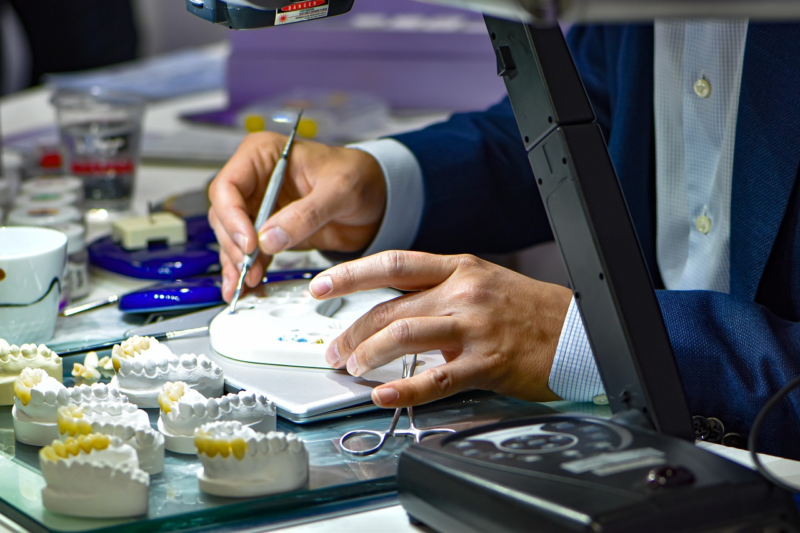
Dental crowns create ripple effects throughout the oral environment that extend far beyond the individual tooth being restored. When properly designed and placed, crowns maintain critical contact relationships with adjacent teeth, preventing the shifting and spacing changes that commonly occur after tooth extraction. This preservation of arch integrity helps maintain facial support and prevents the cascade of dental problems that can develop when teeth migrate into empty spaces.
The relationship between crowned teeth and bite alignment deserves particular attention, as improperly contoured crowns can create interference patterns that strain jaw muscles and temporomandibular joints. A crown that’s even slightly too high can force the jaw into an unnatural position during closure, potentially triggering headaches, muscle tension, or joint pain. Conversely, crowns that restore proper bite relationships often relieve existing TMJ symptoms by eliminating the compensatory jaw movements patients develop around damaged teeth.
Crown placement also influences periodontal health through margin design and emergence profiles that either support or compromise gum tissue health. Well-designed crowns feature smooth, properly contoured surfaces that facilitate effective plaque removal while providing adequate space for gum tissue attachment. Poor crown contours can create plaque traps or impinge on gum tissue, leading to inflammation and potential bone loss around the crowned tooth.
The preservation aspect of crown treatment often gets overlooked in discussions focused on materials and procedures. By protecting remaining tooth structure from further damage, crowns can prevent the need for more extensive treatments like root canals or extractions. This preventive function becomes particularly valuable for teeth with large fillings that would otherwise face high fracture risk, allowing patients to maintain their natural tooth roots and avoid the complexity of implant or bridge therapy.
For patients considering crown treatment, the decision often involves weighing immediate costs against long-term oral health benefits—understanding that crown placement represents an investment in maintaining dental function and preventing more extensive future treatments that could affect multiple teeth and require more complex solutions.