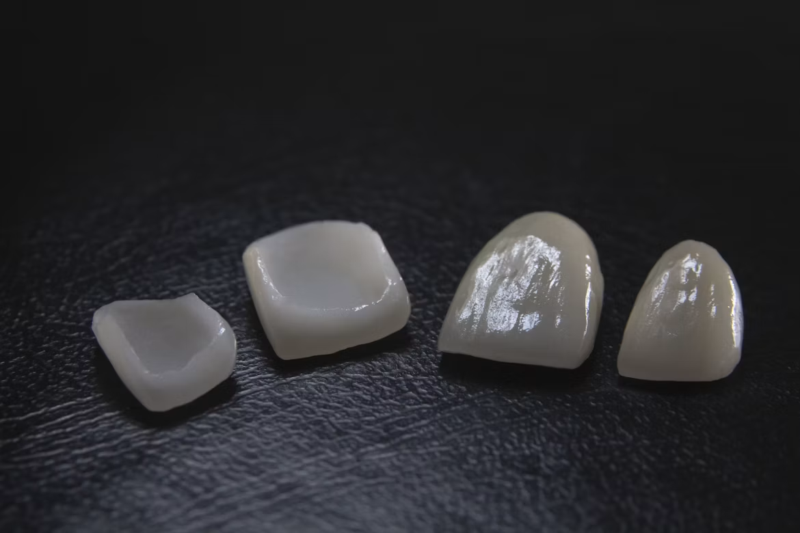
According to the American Academy of Cosmetic Dentistry’s 2024 patient survey, porcelain veneers represent a $2.5 billion segment of cosmetic dentistry — yet nearly 30% of patients report veneer complications within the first five years, most stemming from inadequate aftercare rather than procedural issues. As dental materials continue advancing and patient expectations for longevity rise, the gap between those who understand proper veneer maintenance and those who treat them like natural teeth has never been more consequential.
The reality is that porcelain veneers aren’t just cosmetic additions — they’re precision-engineered restorations that require specific care protocols to maintain their structural integrity and aesthetic appeal. For the millions of Americans who’ve invested in veneers or are considering them, understanding how daily habits impact their 10-to-20-year lifespan can mean the difference between a smile that ages gracefully and one that requires costly repairs or replacement.
Here’s what most patients don’t learn during their consultation: how porcelain veneers actually function at the microscopic level, why common assumptions about their care often backfire, and which specific maintenance practices preserve both their appearance and the health of the underlying teeth.
How Do Porcelain Veneers Work and Why Does Care Matter?
Unlike natural tooth enamel, which has a complex crystalline structure that can remineralize, porcelain veneers are made from feldspathic ceramics that are fired at extremely high temperatures to create a glass-like surface. This manufacturing process gives them their stain resistance and durability, but it also means they can’t repair themselves the way natural teeth can. When bonded to your prepared tooth surface with specialized resin cement, they become a permanent part of your tooth’s architecture.
The bonding interface is where most long-term problems develop. That microscopic layer where porcelain meets tooth structure relies on chemical adhesion that can weaken over time if exposed to temperature fluctuations, acidic conditions, or excessive force. Think of it like a high-performance epoxy — incredibly strong when properly maintained, but vulnerable to degradation under the wrong conditions.
This is why the “they’re stronger than natural teeth” marketing claim requires context. While porcelain veneers can withstand normal chewing forces better than composite alternatives, they’re actually more brittle than enamel when subjected to sudden impact or extreme pressure. A natural tooth might chip under force that would cause a veneer to fracture completely, requiring full replacement rather than repair.
The surface texture also differs significantly from natural enamel. Porcelain has a smoother, less porous surface that resists bacterial adhesion — which is why properly maintained veneers often develop less plaque than natural teeth. However, this same smooth surface can show micro-scratches from abrasive toothpastes or rough dental tools more readily than enamel, which has a more forgiving surface structure.
Understanding these material properties explains why veneer care isn’t just about aesthetics — it’s about preserving a complex engineered system that depends on both the porcelain and the underlying tooth remaining healthy and properly bonded.
What Are Common Misconceptions and Risks in Veneer Care?
Do Porcelain Veneers Stain or Require Replacement?
The most persistent myth about porcelain veneers is that they’re completely stain-proof and will never need replacement. While the porcelain itself resists discoloration better than natural teeth, the margins where veneers meet natural tooth structure can accumulate stains over time, creating a visible line that compromises the seamless appearance patients expect.
More problematically, many patients assume they can abandon careful oral hygiene because “porcelain doesn’t get cavities.” This leads to neglect of the underlying tooth structure, which remains fully capable of developing decay. When decay forms at the veneer margins or on the back surface of veneered teeth, it often requires veneer removal and replacement — not just a simple filling.
The replacement timeline isn’t fixed either. Well-maintained veneers can last 15-20 years, but poor care can necessitate replacement within 5-7 years. The difference usually comes down to margin integrity and underlying tooth health, both of which require ongoing attention despite the porcelain’s durability.
Can Porcelain Veneers Damage Teeth or Cause Sensitivity?
Another widespread concern involves enamel removal during veneer preparation. Modern techniques typically remove 0.3-0.7 millimeters of enamel — less than many realize, but enough to create permanent sensitivity if not properly managed. The key misconception is that post-placement sensitivity indicates something went wrong, when mild sensitivity for 2-4 weeks is actually normal as the tooth adjusts to its new structure.
However, persistent sensitivity beyond this period often signals problems with the bonding layer or bite alignment that require professional attention. Patients who ignore ongoing sensitivity often develop compensatory habits like avoiding certain foods or chewing on one side, which can create additional dental problems over time.
The “irreversible” nature of veneers also gets misunderstood. While you can’t return your teeth to their exact pre-veneer state, the underlying tooth structure remains viable for other restorative options if veneers need replacement. The prepared tooth isn’t damaged — it’s simply modified to accommodate the restoration.
What Are the Best Practices for Daily Porcelain Veneer Care?
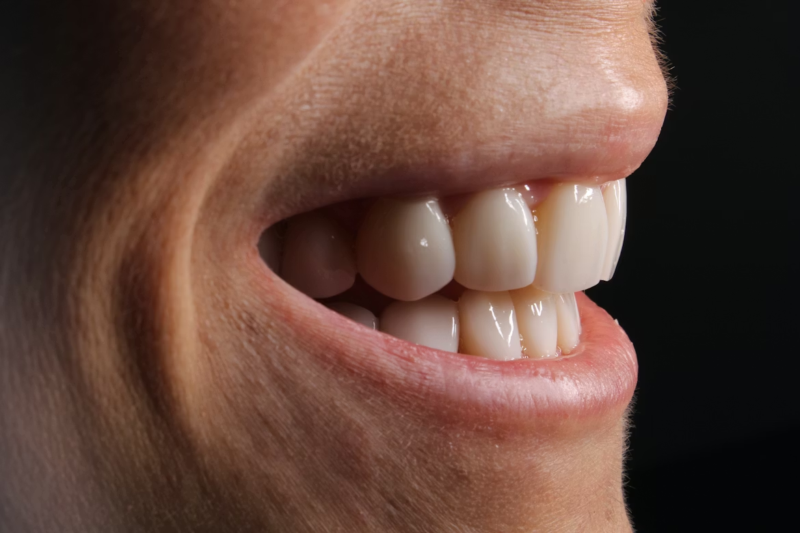
Cleaning Techniques and Oral Hygiene Habits
Effective veneer maintenance starts with choosing the right toothpaste. Avoid whitening toothpastes containing abrasives like hydrated silica or aluminum oxide — these compounds can create microscopic scratches on porcelain surfaces that accumulate stains over time. Instead, look for toothpastes with an RDA (Relative Dentin Abrasivity) value below 70, which clean effectively without compromising the porcelain surface.
Flossing technique becomes more critical with veneers because the margins require gentle but thorough cleaning. Use unwaxed floss and slide it carefully along the gumline rather than snapping it into place, which can dislodge the bonding cement over time. Water flossers work well as supplemental cleaning but shouldn’t replace traditional floss, which physically removes plaque that water pressure alone can’t dislodge.
Brushing timing matters more than most patients realize. Wait at least 30 minutes after consuming acidic foods or drinks before brushing — the acid temporarily softens both natural tooth structure and bonding cement, making them more vulnerable to abrasive damage. This is particularly important for people who drink coffee, wine, or citrus juices regularly.
For those exploring comprehensive smile makeovers, understanding how veneers integrate with other cosmetic dental options helps ensure long-term success across all restorative work, since different materials may have varying care requirements.
Lifestyle Choices That Protect Veneers
Temperature extremes pose a greater risk to veneers than most patients understand. The porcelain and underlying tooth expand and contract at different rates, creating stress at the bonding interface. This means habits like drinking ice-cold beverages immediately followed by hot coffee can contribute to premature veneer failure over time.
Protective measures extend beyond avoiding obvious risks like ice chewing or opening packages with your teeth. Night grinding affects up to 30% of adults and can generate forces exceeding 250 pounds per square inch — well beyond what veneers are designed to withstand. A properly fitted night guard distributes these forces across multiple teeth rather than concentrating stress on individual veneers.
Regular dental visits become more important, not less, with veneers. Professional cleanings should occur every 3-4 months initially, then every 6 months once the veneers have fully integrated. Your hygienist needs to use specific techniques and instruments designed for porcelain surfaces — ultrasonic scalers and certain polishing compounds can damage veneers if not used correctly.
Diet modifications don’t need to be extreme, but certain adjustments help preserve both veneer integrity and underlying tooth health. Hard foods like nuts or ice should be approached cautiously, and sticky candies can create pulling forces that stress the bonding layer. The goal isn’t elimination but mindful consumption that considers the restoration’s limitations.
How Long Do Porcelain Veneers Last and What Influences Their Lifespan?
The 10-to-20-year lifespan commonly cited for porcelain veneers represents an average across varying care levels and individual factors. Patients who follow comprehensive maintenance protocols often see their veneers last 20-25 years, while those who neglect care or have contributing risk factors may need replacement within 7-10 years.
Underlying oral health plays the most significant role in longevity. Patients with controlled gum disease, stable bite relationships, and good overall dental health typically experience longer veneer lifespans. Conversely, active periodontal disease, teeth grinding, or frequent dental problems often compromise veneer integrity regardless of the quality of care.
Material quality and placement technique also impact durability, but these factors are largely determined during the initial procedure. What patients control is the ongoing maintenance that preserves the dentist’s work. This includes not just daily care but also addressing problems promptly — small chips can often be polished smooth if caught early, but ignoring them can lead to larger fractures requiring full replacement.
The economic reality of veneer longevity makes maintenance particularly worthwhile. Replacement costs have increased significantly over the past decade, and insurance coverage for cosmetic procedures remains limited. Patients who invest in proper care often find their cost-per-year decreases substantially compared to those who require early replacement.
Most importantly, well-maintained veneers continue improving in appearance over time as the gums adapt and the patient becomes more comfortable with their new smile, while poorly maintained veneers often develop an artificial appearance as margins stain and the porcelain loses its luster.
The difference between a 10-year and 20-year veneer lifespan often comes down to daily decisions made long after the initial placement appointment. Understanding how these restorations function and respond to care makes those decisions much clearer and more effective.