According to the American Association of Orthodontists, nearly 4 million Americans are currently in active orthodontic treatment — with clear aligners representing the fastest-growing segment of that market. What’s driving this shift isn’t just aesthetics; it’s the fundamental change in how adults approach orthodontic care in their daily lives. Unlike previous generations who saw braces as a teenage rite of passage, today’s working professionals and busy parents need solutions that integrate seamlessly with demanding schedules and professional appearances.
For Sunnyvale residents, this trend intersects with the area’s tech-driven culture, where innovation and efficiency aren’t just workplace values — they’re lifestyle expectations. The decision to pursue orthodontic treatment as an adult carries real stakes: treatment that disrupts work presentations, social interactions, or family routines simply isn’t viable for most people juggling Silicon Valley careers and family responsibilities.
Understanding what actually happens during Invisalign treatment — from the initial consultation through the final retainer phase — helps you make informed decisions about timing, expectations, and daily management. The process involves more nuanced steps than most people realize, and success depends heavily on factors that extend well beyond simply wearing the aligners.
What Happens During the Invisalign Treatment Process in Sunnyvale
The Invisalign journey begins with a comprehensive consultation that goes far beyond taking impressions. Your orthodontist uses 3D imaging technology to map your current tooth positions and create a digital treatment plan showing how your teeth will move over time. This isn’t just about straightening — it’s about creating functional bite alignment that supports long-term oral health.
During this initial phase, you’ll see a computer simulation of your treatment progression, including the predicted final result. This technology allows for precise planning of tooth movements in specific sequences, ensuring that each aligner moves your teeth just 0.25 millimeters at a time. The entire treatment plan is customized based on your specific case complexity, with mild cases typically requiring 6-12 months and more complex alignments extending 18-24 months.
Once your custom aligners are manufactured, you’ll receive your first few sets along with detailed wearing instructions. Most Sunnyvale patients appreciate that pickup appointments are typically brief — usually 30-45 minutes — making them manageable during lunch breaks or between meetings. You’ll learn proper insertion and removal techniques, which can feel awkward initially but become second nature within the first week.
Follow-up appointments occur every 6-8 weeks, primarily to monitor progress and provide your next series of aligners. These check-ins are significantly shorter than traditional braces adjustments — often 15-20 minutes — because there’s no wire tightening or bracket adjustments required. However, some patients need “attachments” (small tooth-colored bumps) placed on specific teeth to help aligners grip properly and achieve certain movements. These aren’t visible to most people but are crucial for treatment effectiveness.
The final phase involves transitioning to retainers, which maintain your new tooth positions. Many patients don’t realize that retention is actually the most critical phase — teeth naturally want to return to their original positions, and consistent retainer wear prevents regression of all the progress achieved during active treatment.
How to Wear and Care for Invisalign Aligners Properly
Success with clear aligners in Sunnyvale depends heavily on adherence to the 22-hour daily wearing schedule. This means removing aligners only for eating, drinking anything other than water, and oral hygiene routines. The math is straightforward: meals typically last 30-45 minutes, and thorough brushing and flossing takes another 10-15 minutes, leaving little margin for extended removal periods.
The biggest adjustment for most people involves the eating routine changes. You can’t snack continuously throughout the day because every food or drink interaction requires removing aligners, cleaning your teeth, and reinserting them. Many Sunnyvale professionals find this actually improves their eating habits by eliminating mindless snacking and encouraging more structured meal times.
Cleaning your aligners requires a gentle approach — harsh chemicals or extremely hot water can warp the plastic and compromise the fit. The most effective routine involves brushing them with a soft toothbrush and lukewarm water twice daily, plus soaking them in denture cleaner or Invisalign cleaning crystals once or twice weekly. Avoid using toothpaste on aligners, as most formulations contain mild abrasives that can scratch the clear plastic and make it more visible.
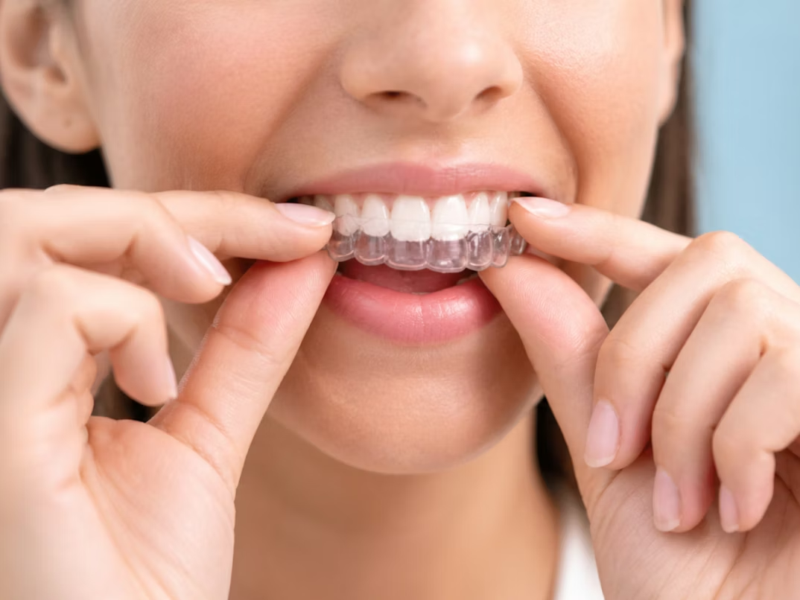
Proper insertion technique prevents damage to both aligners and attachments. Start with the back teeth and work forward, using gentle but firm pressure. Removal should always begin with the back molars on one side, working forward to avoid cracking the aligner material. Using your fingernails rather than biting down on the aligners prevents stress fractures that can compromise treatment timing.
Storage becomes crucial when aligners are out of your mouth. The provided case isn’t optional — leaving aligners on napkins, in pockets, or on counters leads to loss, damage, or bacterial contamination. Many patients keep backup cases at work and in their cars to avoid the common scenario of wrapping aligners in a napkin and accidentally throwing them away.
How Invisalign Differs from Traditional Braces

The fundamental difference lies in treatment philosophy and daily management rather than just appearance. Traditional braces use constant, continuous pressure to move teeth, while Invisalign applies controlled, intermittent forces through programmed aligner changes. This difference affects everything from comfort levels to eating restrictions to oral hygiene requirements.
Comfort varies significantly between the two systems. Metal braces often cause initial soreness from brackets rubbing against cheeks and lips, plus ongoing discomfort after monthly adjustments when wires are tightened. Invisalign typically produces a different type of discomfort — a feeling of pressure and tightness for 2-3 days when switching to new aligners, but without the sharp edges or mouth sores associated with traditional hardware.
Eating and drinking represent perhaps the biggest lifestyle difference. Braces require avoiding hard, sticky, or chewy foods throughout treatment to prevent bracket breakage and wire displacement. Popcorn, nuts, caramel, and even apples become problematic. With Invisalign, you remove aligners before eating, meaning no food restrictions — though the removal and cleaning routine makes frequent snacking less convenient.
Oral hygiene maintenance is dramatically different between the systems. Braces create numerous spaces where food particles and plaque accumulate around brackets and under wires, requiring specialized brushes, floss threaders, and water flossers for effective cleaning. Invisalign allows normal brushing and flossing since aligners are removed during oral care routines, making it easier to maintain gum health throughout treatment.
Emergency situations and repairs also differ substantially. A broken bracket or protruding wire from traditional braces often requires immediate orthodontic attention and temporary fixes with dental wax. Lost or cracked Invisalign aligners can usually be managed by moving to the next set in the series or reverting to the previous set until replacements arrive, minimizing treatment disruptions.
Which Factors Affect Invisalign Treatment Success and What Risks to Watch For
Patient compliance drives treatment outcomes more dramatically with Invisalign than with traditional braces. Since aligners are removable, the responsibility for wearing them consistently falls entirely on the patient. Research indicates that patients who wear aligners less than 20 hours daily experience significantly longer treatment times and potentially compromised final results.
Age and lifestyle factors play crucial roles in treatment success. Teenagers often struggle with consistent wear due to social pressure and forgetfulness, while adults typically demonstrate better adherence but face challenges with work travel, social events, and established eating patterns. The most successful patients develop systematic routines around aligner management and build the 22-hour wearing schedule into their daily habits rather than trying to remember it constantly.
Certain orthodontic issues present limitations for clear aligner treatment. Severe rotations, significant vertical movements, and complex bite corrections may require traditional braces or hybrid approaches combining multiple treatment methods. Some cases need “refinement” periods with additional aligners to achieve optimal results, extending treatment beyond the initial timeline projections.
Common side effects include temporary speech changes as your tongue adjusts to the aligners, increased saliva production during the first week, and mild tooth sensitivity when switching to new aligners. These effects typically resolve within days of starting treatment or changing aligner sets, but patients should be prepared for this adjustment period.
The most significant risk involves treatment regression if retainers aren’t worn as prescribed after active treatment ends. Many patients mistakenly believe that once teeth reach their final positions, they’ll stay there permanently. Without consistent retainer wear, teeth begin moving back toward their original positions within weeks, potentially undoing months of treatment progress.
How Invisalign Treatment Benefits Oral Health and Patient Outcomes
Beyond cosmetic improvements, properly aligned teeth create measurable oral health benefits that extend throughout a patient’s lifetime. Straight teeth are easier to clean effectively, reducing plaque accumulation in hard-to-reach areas and lowering the risk of both tooth decay and gum disease. Research from the Journal of Clinical Periodontology demonstrates that patients with aligned teeth show significantly better periodontal health markers compared to those with crowding or spacing issues.
The clear aligner treatment process itself supports better oral hygiene habits. Since aligners must be removed for eating and cleaning, patients typically develop more structured and thorough oral care routines. Many report improved brushing and flossing habits that continue long after treatment completion, creating lasting preventive benefits.
Proper bite alignment achieved through Invisalign treatment reduces excessive wear on certain teeth and helps distribute chewing forces more evenly across the dental arch. This prevents premature tooth wear, reduces the risk of stress fractures, and can alleviate jaw joint problems associated with misaligned bites. Adults who complete orthodontic treatment often experience reduced jaw muscle tension and fewer headaches related to bite imbalances.
From a trauma prevention perspective, protruding front teeth are more vulnerable to injury during accidents or sports activities. Bringing these teeth into proper alignment reduces the likelihood of fractures or complete tooth loss during impact incidents, potentially saving thousands of dollars in emergency dental treatment and long-term restorative work.
The psychological benefits, while secondary to oral health improvements, prove significant for many adults. Increased confidence in professional and social situations can impact career advancement and personal relationships in measurable ways. Studies tracking patient satisfaction show that adults who complete orthodontic treatment report higher self-esteem and greater willingness to smile in photographs and social interactions.
The clear aligner technology continues advancing, with newer materials offering improved comfort and more predictable tooth movements. For Sunnyvale residents considering orthodontic treatment, understanding these multifaceted benefits — from immediate oral health improvements to long-term preventive advantages — provides the context needed to make informed decisions about timing and treatment approach. The key lies in finding an experienced provider who can accurately assess your specific case complexity and set realistic expectations for the journey ahead.