The American Association of Orthodontists reported that 4.5 million Americans wear braces at any given time — but what’s remarkable is how many of those aligners are now completely invisible. As orthodontic technology has evolved beyond traditional metal brackets, neighborhoods like Wicker Park have seen a surge in adults and teens choosing clear aligner therapy over conventional braces. The appeal isn’t just cosmetic: modern Invisalign treatment offers a fundamentally different experience that fits into busy Chicago lifestyles in ways that weren’t possible even a decade ago.
For anyone considering orthodontic treatment in this vibrant neighborhood, understanding what actually happens during the Invisalign process — from the initial 3D scan to the final retainer — can help set realistic expectations. The technology behind these clear plastic trays is more sophisticated than many realize, involving precise biomechanical calculations and customized treatment plans that guide teeth into position gradually over months or years.
How Invisalign Works to Straighten Teeth
Invisalign aligners work through controlled force application, using a thermoplastic material called SmartTrack that’s specifically engineered for orthodontic tooth movement. Unlike metal braces that apply constant pressure through wires and brackets, each Invisalign tray creates gentle, targeted pressure on specific teeth for approximately two weeks before being replaced with the next tray in the sequence.
The science behind this process involves bone remodeling — when pressure is applied to a tooth, the periodontal ligament compressed on one side signals osteoclasts to break down bone tissue, while the stretched side signals osteoblasts to build new bone. This biological response allows teeth to move gradually through the jawbone without damage. Each aligner moves teeth roughly 0.25 millimeters, which explains why treatments typically require 20-40 different trays over 12-24 months.
What makes Invisalign particularly effective is the 3D treatment planning software (ClinCheck) that maps out the entire tooth movement sequence before treatment begins. Orthodontists can visualize exactly how each tooth will move at each stage, adjusting the plan to avoid problematic movements or ensure proper root positioning. This predictive modeling allows for more precise outcomes than traditional braces, where adjustments are made reactively during appointments.
The clear aligners themselves are custom-manufactured using advanced 3D printing technology. Each tray is trimmed to the gumline and polished to minimize irritation, while maintaining enough rigidity to apply the calculated forces needed for tooth movement. This precision manufacturing process is why Invisalign treatments require fewer emergency appointments than traditional braces — there are no broken wires or loose brackets to address.
Step-by-Step Invisalign Treatment Process in Wicker Park
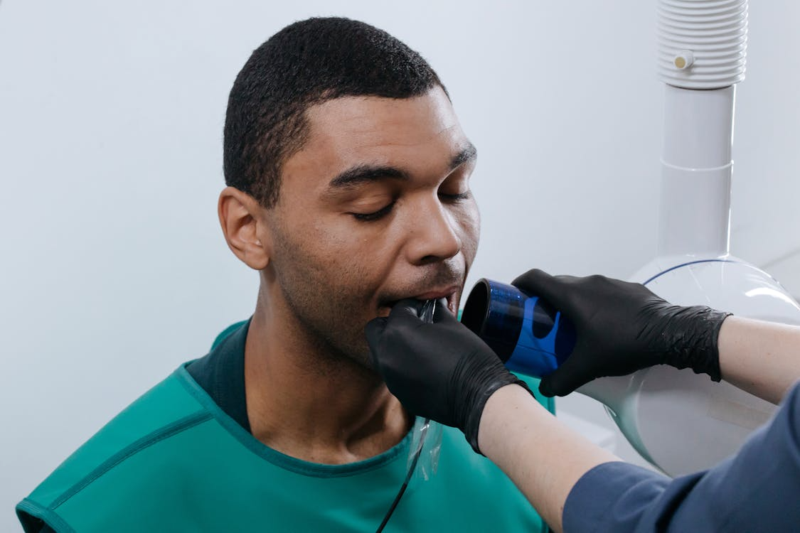
The Invisalign journey begins with a comprehensive orthodontic evaluation where the practitioner assesses your bite, jaw alignment, and the complexity of needed corrections. During this initial consultation, digital X-rays and photographs document your current tooth positioning, while a 3D intraoral scanner captures precise measurements of your teeth and gums. This scanning process takes about 15 minutes and eliminates the need for messy impression materials that many patients find uncomfortable.
Once the scans are complete, the orthodontist uses Invisalign’s treatment planning software to design your custom movement sequence. This stage typically takes 2-3 weeks, during which the doctor maps out exactly how your teeth will move from their current position to the desired final alignment. You’ll review this digital treatment plan together, seeing a virtual representation of your expected results before any aligners are manufactured.
After approving the treatment plan, your complete set of aligners is manufactured and shipped to the practice — usually within 2-3 weeks. At your next appointment, you’ll receive your first few sets of aligners along with detailed instructions for wear and care. Most Invisalign patients receive 3-4 sets at a time, returning every 6-8 weeks for progress monitoring and to receive their next batch of aligners.
Throughout treatment, monitoring appointments are crucial for ensuring teeth are moving according to plan. Many Wicker Park orthodontists now offer virtual check-ins using smartphone apps that allow you to submit photos between visits, though in-person evaluations remain important for detecting any tracking issues early. These appointments also allow for mid-course corrections if teeth aren’t responding as predicted — sometimes requiring additional aligners or refinements to the original plan.
The treatment concludes with a retention phase, where custom retainers (often clear like the aligners) maintain your new tooth positions while the surrounding bone and tissue stabilize. This phase is critical because teeth naturally tend to drift back toward their original positions for months after active treatment ends.
Pros and Cons of Invisalign Compared to Traditional Braces
Invisalign’s primary advantage lies in lifestyle integration — the aligners are removable for eating, drinking, and oral hygiene, eliminating the food restrictions and cleaning challenges associated with metal braces. Patients can continue eating corn on the cob, sticky foods, and hard candies without risk of damage, while daily brushing and flossing remain largely unchanged since the aligners come out completely.
The aesthetic benefit is significant for adults and image-conscious teens. Clear aligners are virtually invisible from normal conversational distance, allowing professional interactions and social situations to proceed without the self-consciousness many feel with traditional braces. This discretion factor has made orthodontic treatment accessible to adult patients who might otherwise avoid correction.
However, Invisalign requires exceptional patient compliance to achieve predicted results. The aligners must be worn 20-22 hours daily, removed only for eating, drinking anything other than water, and oral hygiene. Patients who frequently forget to wear their aligners or who remove them for extended periods often experience treatment delays or suboptimal outcomes. Traditional braces, being fixed in place, don’t depend on patient memory or discipline.
Treatment limitations represent another important consideration. While Invisalign can address most common orthodontic issues — crowding, spacing, mild to moderate bite problems — complex cases involving severe rotations, significant vertical movements, or major bite corrections may still require traditional braces or additional appliances. Invisalign works best for cases requiring primarily lateral movement and minor rotations.
Cost differences are typically minimal, with both treatments falling into similar price ranges. However, Invisalign treatment that requires multiple refinement rounds or extended treatment times can become more expensive than initially projected. Traditional braces offer more predictable pricing since adjustments are included in the original fee structure.
The treatment timeline often favors traditional braces for complex cases, as metal brackets can apply stronger forces and achieve certain movements more efficiently. Simple Invisalign cases may complete in 6-12 months, while similar cases with braces might take 12-18 months, but complex Invisalign treatments can extend to 24+ months when multiple refinement rounds are needed.
Lifestyle Impact and Practical Tips for Wearing Invisalign Aligners
The first week with new aligners typically involves an adjustment period as your mouth adapts to the foreign sensation and slight speech changes. Most patients develop a minor lisp initially, particularly with “s” and “th” sounds, but this generally resolves within 3-5 days as the tongue adapts to the aligner thickness. Reading aloud during the first few days can accelerate this adjustment process.
Eating and drinking require the most significant lifestyle modifications. While the ability to remove aligners for meals is advantageous, it also demands discipline — aligners must come out before consuming anything except plain water, as colored beverages and foods can stain the clear plastic. Many patients establish routines around meal timing to minimize the frequency of aligner removal and cleaning cycles. Patients looking for more details about clear aligner care and treatment expectations can visit https://yourchicagodentist.com/services/invisalign/ for additional guidance and professional support throughout the orthodontic process.
Aligner maintenance becomes part of daily routine, similar to contact lens care. Aligners should be rinsed with cool water when removed and brushed gently with a soft toothbrush before reinsertion. Hot water can warp the thermoplastic material, while harsh cleaners can create a cloudy appearance. Many patients keep travel-sized toothbrushes and small containers of aligner cleaning crystals for maintenance throughout the day.
Discomfort management varies by individual, but most patients experience 2-3 days of pressure and mild soreness when switching to each new aligner set. This discomfort is actually a positive sign that teeth are responding to treatment. Over-the-counter pain relievers taken before switching aligners can minimize this transition period, while switching to new aligners before bedtime allows you to sleep through the initial adjustment phase.
Sports and physical activities generally proceed normally with Invisalign, though contact sports may require removing aligners and wearing a protective mouthguard. Musicians playing wind instruments often need a brief adjustment period to maintain proper embouchure with aligners in place, though most adapt quickly without long-term impact on performance.
Social situations become more manageable once patients develop efficient removal and storage routines. Keeping a small case for aligner storage prevents the common mistake of wrapping them in napkins (which often leads to accidental disposal). Many patients report increased confidence in social eating situations compared to traditional braces, since they can remove aligners discreetly when needed.
Retention and Long-Term Benefits After Invisalign Treatment
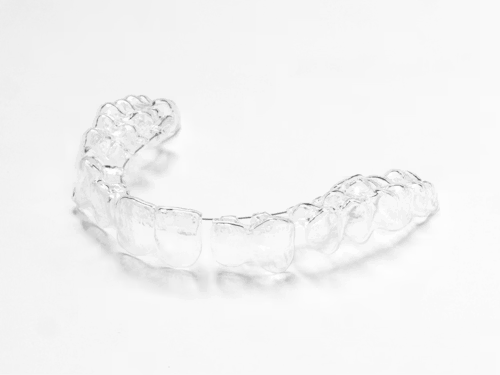
Post-treatment retention is equally critical whether you’ve completed Invisalign or traditional braces — teeth remain mobile throughout life and will shift without proper retention protocols. Most orthodontists recommend wearing retainers full-time for the first 3-6 months after active treatment, then transitioning to nighttime-only wear indefinitely. This isn’t a temporary phase; retention is a lifelong commitment to maintaining your investment.
The retention phase often involves Vivera retainers (Invisalign’s proprietary retention system) or traditional wire retainers, depending on your case specifics and personal preferences. Vivera retainers use the same 3D scanning and manufacturing process as treatment aligners, creating multiple sets of identical retainers so replacements are readily available when retainers are lost or damaged.
Beyond aesthetic improvements, properly aligned teeth offer significant oral health benefits that compound over time. Straight teeth are easier to clean effectively, reducing plaque accumulation in areas that were previously difficult to reach with toothbrushes and floss. This improved cleanability often translates to reduced cavity rates and lower risk of gum disease in the years following orthodontic treatment.
Bite correction achieved through Invisalign treatment can also address functional issues like TMJ symptoms or uneven tooth wear patterns. When teeth meet properly, the forces of chewing distribute more evenly across the dental arch, potentially reducing jaw strain and preventing premature wear on specific teeth. Some patients report improvement in headaches or jaw pain after completing comprehensive orthodontic treatment.
The psychological benefits of orthodontic treatment often extend well beyond the active treatment period. Adults who complete Invisalign treatment frequently report increased confidence in professional settings and social interactions, while teens often experience improved self-esteem during crucial developmental years. These confidence gains can influence career opportunities, relationship outcomes, and overall quality of life in ways that justify the investment long after the aligners are gone.
For those considering Invisalign treatment in Wicker Park, the key to successful outcomes lies in choosing an experienced provider who can accurately assess your case complexity and set realistic expectations from the beginning. The combination of advanced technology and proper patient compliance can deliver remarkable results, but understanding both the capabilities and limitations of clear aligner therapy ensures you make the best decision for your specific orthodontic needs.