An international treatment trip looks simple on a calendar: a flight, a hotel, a clinic appointment, then home. The awkward parts sit between those entries. You may receive a vague cell description, face a deposit deadline before anyone reviews your records, or find that your return flight leaves no room for recovery.
If you’re considering stem cell treatment in Cabo, build the trip around the medical plan. Find out what will be administered, why it might suit your diagnosis, who will treat you, and what happens if you feel unwell after leaving Mexico. Let’s break it down.
What exactly is being administered?
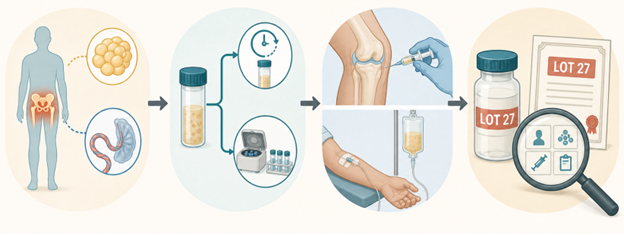
The phrase covers different procedures. Cells may come from your bone marrow or fat, or from donated birth tissue. They may be used the same day, processed elsewhere, injected into a joint, or delivered through an IV. Those differences affect the evidence and risks.
Ask the clinic to put the details like cell source, processing method, dose or cell count, route, laboratory name, and donor screening in writing. Before treatment, match the lot-specific certificate to the product.
U.S. approval is only a reference point because you’ll be treated under Mexican law. Regulators assess a defined product for a defined use. Approval of one cell product does not establish that another source, dose, route, or use works.
Match the evidence to your condition
Testimonials cannot separate treatment effects from natural recovery or other care, so ask for published human research using the same cells and delivery method for your diagnosis. Have your home doctor review this. Animal studies and other cell preparations provide background only; they cannot support the quoted procedure.
Ask how the clinic defines improvement and when it measures it. A condition-specific measure should be recorded before treatment and during follow-up.
Who is treating you, and where?
Get the doctor’s full name and relevant Mexican professional license numbers: the general medical cédula and, for a claimed specialty, the specialty cédula. Verify both and check current board certification.
If the clinic calls the treatment a clinical trial, request the registration record, protocol, ethics approval, and consent form. The consent form should describe the experimental status, risks, alternatives, privacy rules, and your right to leave. Read it before traveling.
Ask who handles an allergic reaction or sudden breathing problem. Is emergency equipment on site and which hospital accepts transfers? You’re looking for names and phone numbers rather than “we take care of everything.”
Make the return-home plan before booking
The clinician who manages your condition at home can help with medication changes, fit-to-fly timing, warning signs, and the records needed afterward. A generic “safe to fly” rule won’t do, as timing depends on the procedure, sedation, mobility, and your health.
Before departure, settle a few points with the Cabo team:
- Who answers medical questions at night and on weekends?
- When are the first remote and in-person follow-ups?
- Will you receive the procedure note, lab results, product details, and medication list in English?
- Who pays if you need tests, hospital care, a longer stay, or a changed flight?
Chest pain, trouble breathing, confusion, or sudden weakness call for emergency care. In Mexico, the number is 911, though an English-speaking operator isn’t guaranteed.
Cabo is your recovery setting
Los Cabos International Airport serves San José del Cabo and Cabo San Lucas, but drive times depend on your hotel, clinic, and traffic. Map every leg before paying and arrange a known driver if you will receive sedation or have trouble walking. A companion can take notes and watch for symptoms.
Cabo’s heat can make recovery harder, so choose lodging with air conditioning, easy food access, an elevator if needed, and a short route to care.
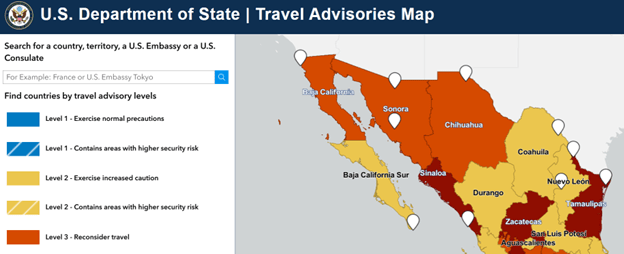
As of May 29, 2026, Baja California Sur is Level 2 in the U.S. travel advisory, meaning exercise increased caution. Conditions change so recheck shortly before leaving, but definitely use prearranged transport and share your itinerary with someone at home.
Your records belong in your carry-on
Carry a prescription or doctor’s letter in English or Spanish listing your name, each medicine and dose, prescriber details and signature, with only the quantity needed. Pack a medication and allergy list, recent results, a medical summary, insurance contacts, emergency numbers, and passport copies.
Before flying home, collect the procedure note, which should identify what you received, the dose, route, date, product lot, clinician, other drugs, and any problems. Get laboratory reports and aftercare instructions, and send everything to your home doctor.
Treat the website as a starting point. Before sending a deposit, ask an independent clinician to review the product, evidence, consent form, and follow-up plan. A clinic that will not supply those basics has already given you useful information. Learn it before a passport stamp and nonrefundable flight make the choice harder to revisit.