Attention leaks out of a California classroom long before the bell rings. By early afternoon, pencils slow down, shoulders slump, and side conversations multiply across the room. Nothing about the lesson changed during those hours. The students changed, minute by minute.
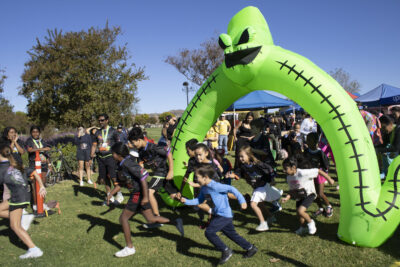
Brain breaks are answers that fade with movement, laughter, and sound in short bursts. Sound buttons give California teachers a starter switch for every burst. One tap plays a dance cue, a stretch count, or a thirty-second comedy sound. The routine takes up no floor space and requires no special equipment. Students stand, move, laugh, and return to work carrying fresh energy.
Energy Fades on a Predictable Classroom Schedule
California public schools serve 5.8 million students across nearly ten thousand campuses. Long instructional blocks fill most of the day in elementary, middle, and high school grades. Block schedules in California high schools stretch some periods past ninety minutes.
Young bodies handle sitting poorly across ninety-minute stretches. Focus fades first in the final third of any long block. Teachers spot the fade through drifting eyes, tapping feet, and repeated bathroom requests.
Waiting for recess wastes the warning signs. Short breaks inside the block protect the remaining lesson time. Brain breaks treat energy as a renewable classroom resource.
One Tap Starts the Break
A brain break fails when it takes five minutes to start. Sound buttons remove the setup entirely. Among California classroom teachers from kindergarten through eighth grade, SoundButtonsLab.com, an educational soundboard, is a popular place to find, preview, and click brain break sound buttons such as dance cues, stretch counts, comedy clips, and quiet-down signals. Teachers save favorite buttons for dances, stretches, and countdowns before class.
During class, one tap instantly launches music, instructions, or a timer tone. Students hear the cue and know the routine without fresh directions. The break starts in seconds, not minutes. Saved boards follow a teacher across grade levels, subjects, and school years. Rural districts, suburban campuses, and urban schools run the same one-tap routine.
California Law Already Protects Movement Time
State law treats movement as instruction, not decoration. California elementary students receive at least 200 minutes of physical education every ten school days. Students in grades seven through twelve receive at least 400 minutes across the same span.
Classroom brain breaks fall outside those PE minutes. Recess and lunch periods also stay separate under the same code. State guidance also notes that breaks from classroom activities may enhance participation and learning.
Brain breaks therefore add movement without borrowing PE time. Physical education builds fitness and skill across a full curriculum. Districts answer compliance questions through the same state framework each year. Teachers schedule both layers across each week.
Movement Breaks Spend Energy in Ninety Seconds
Movement breaks ask bodies to work briefly and then stop. Sound buttons run the sequence without teacher narration. A start tone begins the movement, a freeze tone ends it, and silence resets the room. Each round lasts 90 seconds, from the first tone to the final freeze.
Freeze Dance Rounds
Music plays while students dance between desks. The freeze tone stops every dancer mid-pose. Anyone still moving takes a seat for one round. Laughter does half the energizing work here.
Stretch and Breathe
Count the buttons and pace each stretch aloud for the class. Students reach, twist, bend, and breathe on the recorded count. Slow counts pull heart rates down before seated work resumes.
March and Move
Drum buttons set a marching pace around the classroom perimeter. Students march, clap on beats, and freeze at the final tone.
Sound Only Breaks Calm a Room Down
Not every break needs standing bodies and loud music. Some classes need energy lowered, not raised. Funny sound buttons reset mood in ten seconds flat. A cartoon boing, a drumroll, or a record scratch breaks tension instantly. Students laugh together, and shared laughter settles the room. Mystery sound rounds turn listening into a quick guessing game.
Listening breaks train attention through sound alone. Students close their eyes, count the sounds, and name each source aloud. Rain sounds, ocean waves, and classroom silence each reset the mood differently. Calm breaks suit test mornings and post-lunch crashes equally. Teachers match the sound menu to the room temperature.

Timing Decides Whether a Break Helps
Break placement matters as much as break content. Teachers place breaks before focus collapses, not after chaos starts. Twenty to thirty minutes of seated work earns one short break.
Hard tasks deserve a break immediately before the instructions begin. Transitions between subjects offer natural break slots every day. Break length stays between one and five minutes in most classrooms.
A timer tone ends every break without negotiation. Students learn the pattern within one school week. Predictable breaks stop the begging that unpredictable breaks create. Morning breaks wake sleepy starters after long bus rides. Afternoon breaks rescue the final lesson block of the day.
Teachers Read the Room and Adjust the Menu
No fixed menu survives a full school year unchanged. Teachers track which buttons raise energy and which buttons settle energy. Class favorites rotate weekly to protect novelty. Student suggestions join the board through a simple Friday vote. Overused sounds retire before the class turns against them. New sounds arrive with seasons, holidays, and school events.
Data stays informal: raised hands, settled bodies, and cleaner transitions. Quiet classes earn louder breaks, and loud classes earn calmer ones. The menu stays fresh because the teacher keeps editing the menu. Energy management becomes a routine, not a rescue mission.