When a water heater starts leaking or takes forever to warm up a shower, most homeowners face a quick decision. They can replace it with another tank or try something different. Tankless units come up in almost every one of those conversations. They promise endless hot water and a smaller footprint, and they cost more up front. Whether that trade makes sense depends a lot on the house, the household and the local water.
It helps to talk it through with a licensed plumber who can look at your actual setup before you buy anything.
How a Tankless Unit Actually Works
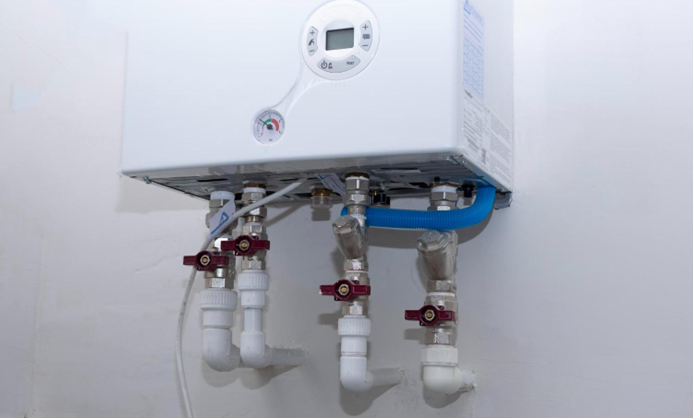
A traditional water heater keeps 40 or 50 gallons hot around the clock, whether anyone needs it or not. A tankless heater, sometimes called an on-demand heater, stays idle until you open a hot tap. Water then passes through a heat exchanger, a gas burner or electric element fires up, and hot water comes out the other side for as long as the tap stays open.
Because nothing is being kept warm overnight or while you are at work, there is no standby heat loss. That is the main source of the energy savings people talk about. The catch is that the unit has to heat water very quickly, so it needs a strong gas supply or a lot of electrical capacity to do the job.
Where Tankless Makes the Most Sense
Tankless heaters tend to work best in a few situations. Small households that use hot water at different times of day get a steady supply without paying to heat a tank they rarely drain. Homes with tight garages or closets gain floor space, since most units mount on a wall. And families who often run out of hot water after the third shower may like the idea of a supply that does not run dry.
There is a limit, though. “Endless” hot water means endless at a certain flow rate. If the dishwasher, the washing machine and two showers all run at once, a unit that is too small will struggle and the water may turn lukewarm. Sizing it to how your household actually uses water matters more than the brand on the box.
Sizing is a good reason to have a plumber visit first. On the Central Coast, for example, Jack’s Plumbing is based in Santa Maria and handles water heater service and installation along with general repair work for homes from Lompoc up to San Luis Obispo. Santa Clarita Valley readers will want someone closer to home, but the questions worth asking are the same anywhere in the state.
The Costs People Forget to Count
The price of the unit itself is only part of the bill. Switching from a tank to tankless often involves extra work, and that is where quotes can surprise people. Common add-ons include:
- a larger gas line, since many tankless models need more gas than the old tank did
- new venting, which is often different from the vent a tank heater used
- an electrical outlet or circuit, because gas units still need power to run
- service valves so the heat exchanger can be flushed later
An older home may need several of these, while a newer one might need very few. Ask for a quote that spells out the installation work, not just the equipment, so you can compare offers fairly. It is also worth remembering that a gas tankless unit will not run during a power outage, which a basic gas tank heater often will.
Hard Water and Upkeep
Much of California has hard water, and minerals are tough on tankless heat exchangers. Scale builds up inside the small passages and cuts efficiency over time. Most manufacturers recommend flushing the unit on a regular schedule, often once a year, and more often in areas with very hard water. Some homeowners add a water softener or scale filter to protect the system.
Upkeep is not difficult, but it is not optional either. A tank heater that gets ignored for a decade will usually keep limping along. A tankless unit that gets ignored tends to let you know sooner, through error codes or uneven temperatures.
Energy Rules, Rebates and the Shift to Electric
California’s energy rules for homes are updated regularly, and the state has been encouraging more efficient and lower-emission ways to heat water. That includes growing interest in heat pump water heaters, which use electricity to move heat from the surrounding air into a tank. For some homes, a heat pump model may be a better fit than a gas tankless unit, especially if the household is adding solar or moving away from gas appliances.
Rebates and incentives change often and differ by utility and city, so check what is current before you buy. The California Energy Commission is the state’s energy policy and planning agency, and its site is a good starting point for information on the building energy code and efficiency programs. Your utility and your city’s permit office can tell you what applies to your address. Water heater replacements usually need a permit, and a licensed plumber should know the local requirements.
So, Is It Worth It?
For many California homes, a properly sized and installed tankless water heater can be a good long-term choice. These units often last longer than tank heaters, they free up space and they cut standby energy loss. For others, installation costs, hard water and the household’s hot water habits make a high-efficiency tank or a heat pump heater the smarter buy.
The best way to decide is to gather a few facts first: how many people live in the home, how many showers run at the same time, what your gas line and electrical panel can handle, and how hard your water is. With those answers in hand, a licensed plumber can give you an honest comparison, and you can choose the option that fits your home rather than the one with the loudest marketing.