You’ve reported harassment at your Santa Clarita workplace, but the record doesn’t end with HR. Sexual harassment evidence includes messages sent before your complaint and records created after you submitted it. The numbers back that up. In its fiscal 2024 data, the EEOC recorded 88,531 discrimination charges nationwide, and retaliation was alleged in 42,301 of them.
Save the originals.
Sexual harassment evidence to save immediately
What documents to keep after reporting harassment
Save your submitted complaint and the delivery confirmation. Hang onto complete email threads with their attachments, meeting invitations, interview requests, and HR acknowledgments. Also keep a copy of the workplace policy that was in place when you reported. If you can, keep native files or complete exports rather than cropped screenshots, which can lose the dates, recipients, and surrounding messages that give a message its meaning.
Not sure which emails and HR records belong in your harassment file? Start here: the complaint, delivery confirmation, acknowledgments, interview requests, meeting invitations, complete threads, attachments, findings, and any written outcome. Where permitted, hold onto dates, recipients, and original file details.
Can I save screenshots as harassment evidence?
Yes, if you’re permitted to keep the content in the first place. But save the original message or a complete export alongside it. Include dates, sender names, recipients, and the surrounding messages, so a screenshot can’t be dismissed as misleading or stripped of context.
Track what changes afterward
Retaliation often shows up in the paperwork. HR Acuity’s 2023 Workplace Harassment & Misconduct Insights study reported that 73% of employees weren’t monitored for retaliation after reporting misconduct. So compare records from before and after your report. Keep dated copies of schedules, assignments, evaluations, discipline, leave records, pay information, and any written explanation for a workplace change.
| Record | What to preserve | Context to retain |
| HR communications | Complete messages and attachments | Dates, recipients, and responses |
| Work records | Schedules, reviews, and assignments | Versions from before and after the report |
| Personal notes | Prompt, factual entries | Time, location, and people present |
| Health or leave records | Records already provided or received | Dates and workplace impact |
How much sexual harassment evidence is enough?
There’s no magic number here. One credible, well-preserved item can carry real weight, and several consistent records can establish context and timing. Which records actually help prove harassment depends on the facts, but the combination of complete messages, contemporaneous notes, witness information, and before-and-after work records usually beats isolated excerpts.
Preserve context without crossing privacy boundaries
Keep originals, but do not collect everything
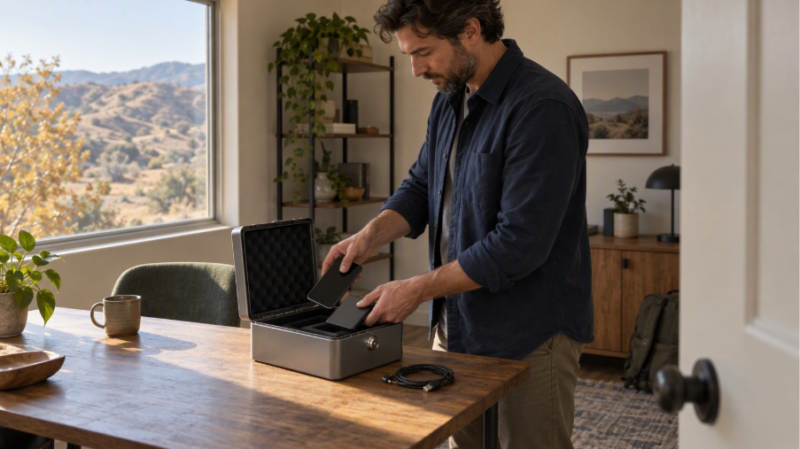
Keep the full context, including complete message threads. Don’t edit or annotate original files, and don’t forward restricted company information indiscriminately. Put permitted copies in secure private storage behind a strong password, and keep your personal notes separate. Before you record a conversation or access someone else’s account, run it past a California employment attorney. The same goes for removing confidential files or collecting anything you’re not authorized to possess, even if you can open it on a shared drive at work.
Review gaps and decide how long to keep harassment evidence
There’s no universal retention period for a personal documentation file, so don’t delete records just because HR closed its internal review. Keep your file while a complaint or agency review remains possible, or while you may still seek legal advice. Before you discard anything, ask for guidance on the deadlines that apply.
When you review the file for gaps, work from a full checklist of important sexual harassment evidence. Which originals can you still get your hands on? Note any missing items in your private file. Don’t try to recreate the originals. A reconstructed record is weaker than an honest note about what no longer exists.
Keep the record intact
Secure the permitted originals and keep the chronology factual. If you’re weighing recording conversations, collecting restricted material, or deleting anything, talk to a California employment attorney first. That’s how you protect the record without overstepping.