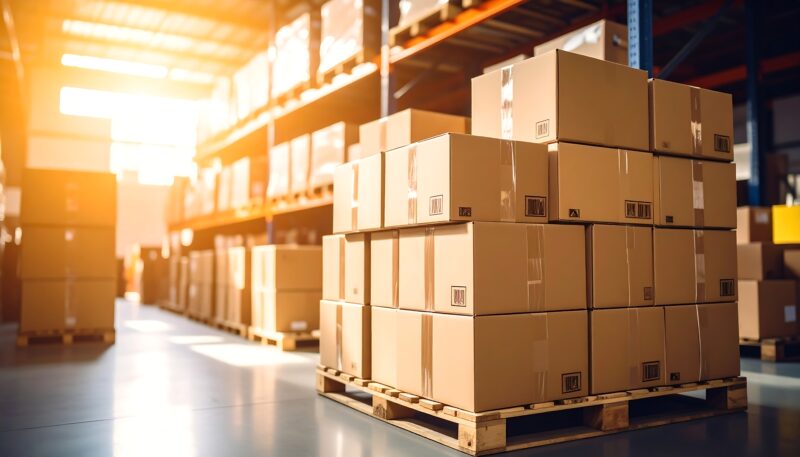
In modern retail logistics, where distribution centers support omnichannel fulfillment strategies, the complexity of outbound pallet loads has surged. Mixed-SKU pallets—combining products that vary by size, shape, weight, and handling requirements—are now the norm across grocery, general merchandise, and last-mile distribution operations.
Creating these loads efficiently and accurately is one of the last high-friction points in otherwise automated fulfillment workflows. Intelligent palletizing no longer serves a narrow operational function. It has become a strategic capability with implications across route density, trailer utilization, shelf-readiness, and sustainability.
The Problem with Mixed-SKU Outbound Loads
Retailers increasingly require customized pallets tailored to store layouts, shelf velocity, and replenishment sequencing. A single pallet might combine heavy beverages, fragile dry goods, temperature-sensitive dairy, and promotional merchandise, each with unique stacking, protection, and access needs.
Manual palletizing introduces inconsistencies that lead to wasted cube space, unstable stacks, and inefficient delivery sequences. Misplaced SKUs or improper weight distribution slow in-store stocking, trigger damage, and frustrate downstream labor. As SKU diversity increases and delivery windows tighten, the margin for error shrinks.
Automation in a Multi-Dimensional Packing Problem
Mixed-SKU palletizing is as much about data as it is about hardware. Building a stable, efficient pallet requires real-time orchestration of item-level data: product dimensions, fragility, stackability, handling constraints, and delivery priority. Algorithms must process these inputs on the fly to generate layer-by-layer stacking instructions that maximize density without sacrificing integrity.
Systems equipped with this logic outperform even highly trained manual teams. In operations where sequencing, case orientation, and item integrity are mission-critical, automated palletizing systems provide consistency at scale, absorbing operational complexity without slowing throughput.
What Advanced Palletizing Really Looks Like
Advanced systems go far beyond layer-forming or robotic arm stacking. These solutions dynamically manage heterogeneous case types, adjusting for real-time changes in SKU mix, shipping requirements, or product availability. By integrating with warehouse control systems, they recalculate optimal builds mid-cycle when constraints change or orders are reprioritized.
Modular palletizing zones allow multiple build operations to run in parallel, improving overall system throughput while maintaining precision. Case-turning mechanisms, gripper configurations, and interlocking patterns are continuously adjusted based on item attributes. These capabilities reflect the next generation of advanced palletizing technology, enabling adaptability without trade-offs in speed or accuracy.
Why Palletizing Impacts the Last Mile
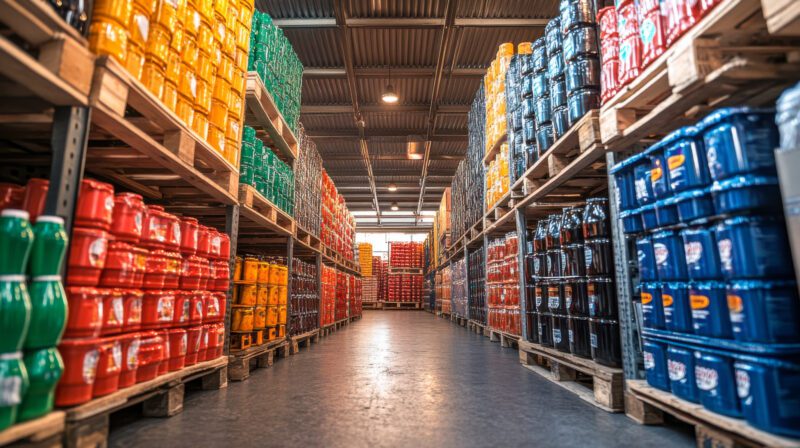
Retailers operate under increasing pressure to reduce delivery time and in-store disruption. Pallet quality has a direct influence on both. Well-executed builds reduce repackaging needs at receiving docks, prevent damage in transit, and align with shelf-loading paths.
When cases are sequenced by store aisle or shelf layout, unloading becomes faster and less labor-intensive. Drivers and store teams can unload by section, rather than breaking down and restacking pallets. The net effect: faster replenishment, reduced labor spend, and greater in-store availability.
Poor pallet integrity, on the other hand, creates congestion, safety risks, and lost sales at the exact moment customers expect speed and reliability.
Palletizing and Sustainability
Sustainability objectives increasingly shape decisions about packaging, transportation, and inventory management. Palletizing sits at the center of all three. High-quality builds allow trucks to run fuller, reduce the need for excess packaging, and minimize the risk of rework due to damage.
Optimized stacking logic reduces dunnage and void fill, and limits the need for stretch film or corner protection. Systems that generate denser, more stable loads reduce the number of deliveries required to move the same volume of goods. Combined with route optimization and sustainable transport assets, this can significantly lower emissions per unit shipped.
When integrated with sustainability tracking software, palletizing automation can feed into facility-wide ESG metrics. Product-level traceability within each pallet also supports more efficient returns processing, improved inventory rotation, and reduced waste.
Integration Is Everything
Palletizing success depends not only on the performance of the robotic system, but on its integration into the wider warehouse environment. Systems must align with upstream picking, sorting, and buffering to prevent gaps in flow. Failure to align palletizing with real-time picking logic leads to mismatches in load timing and idle robotics.
Warehouse Management Systems (WMS) and Warehouse Control Systems (WCS) must feed accurate, dynamic data to guide stacking logic, case sequencing, and order exceptions. True value emerges when palletizing becomes a living part of the automation ecosystem, reacting to real-time changes and upstream disruptions.
Ongoing system reliability depends on consistent service, updates, and proactive lifecycle management. These components of logistics services guarantee that even as demand profiles shift, the performance and efficiency of palletizing systems remain high.
Real-Time System Adaptability
The core differentiator in next-generation palletizing is its ability to adapt continuously to fluctuating order profiles. As SKU mixes evolve throughout the day—due to demand changes, returns, or replenishment interruptions—systems must dynamically adjust stacking logic and sequencing. Integrated vision systems, load sensors, and AI-driven control software now allow real-time recalibration of each build.
This adaptability means fewer delays, fewer repalletization events, and tighter delivery windows. It also increases resilience when dealing with exceptions such as damaged packaging, substituted SKUs, or partial picks. In high-velocity environments, the system’s ability to course-correct on the fly becomes a competitive advantage.
Worker Safety and Ergonomic Gains
Automated palletizing significantly reduces repetitive strain and heavy lifting for warehouse associates. Instead of manually adjusting mixed-SKU builds, workers engage with intuitive HMIs to manage exceptions or approve reconfiguration sequences. This shift lowers injury rates and creates safer workflows without reducing throughput.
Ergonomic improvements extend to final-mile teams as well. Pallets designed with stability and sequence logic reduce the need for unloading, sorting, and repalletizing in cramped or high-turnover environments. These systems are built with inclusive design in mind: multi-language interfaces, visual indicators, and modular layouts that accommodate a wide range of user needs.
Quantifying Strategic ROI
For operators, the value of advanced palletizing manifests in faster turns, lower shrink, and improved compliance with retail partner standards. But the financial impact is even clearer when quantified. Consider a facility handling 15,000 cases per shift: a 10% increase in trailer cube utilization equates to hundreds fewer shipments per month. Fewer shipments mean less fuel, less labor, and lower carbon impact.
Reduced returns due to in-transit damage, faster unloading at retail locations, and reduced rework all contribute to a stronger bottom line. These systems typically pay for themselves within 18 to 24 months, depending on order profile complexity and labor cost baselines. Their long-term impact on network resilience and ESG outcomes positions them as foundational, not optional, infrastructure.
Solving for Mixed-SKU Pallets at Scale
As fulfillment centers grow to support regional and national store networks, scalability becomes a defining requirement. Automated palletizing must flex not only to higher volumes, but also to increased SKU complexity and customer-specific requirements.
Facilities servicing hundreds of stores with distinct planograms require granular control over each pallet. Systems must adapt to delivery frequency, aisle order, and real-time stock levels. This level of complexity demands software coordination, machine learning optimization, and hardware flexibility.
In these environments, intelligent palletizing systems become strategic infrastructure that can absorb variability while maintaining consistency in quality and speed.
The Puzzle Isn’t the Pallet—It’s the Strategy
Mixed-SKU palletizing is no longer a niche capability or a secondary consideration. It plays a defining role in the success of last-mile operations. Every inefficiency at the pallet level multiplies downstream.
Leading operators treat palletizing as an extension of their fulfillment intelligence—a reflection of how well the business understands product movement, customer behavior, and operational priorities. Done right, it improves speed, reduces cost, and advances sustainability goals in tandem.
The puzzle isn’t just stacking cases. It’s aligning systems, data, and design thinking to build the right pallet for every store, every time.