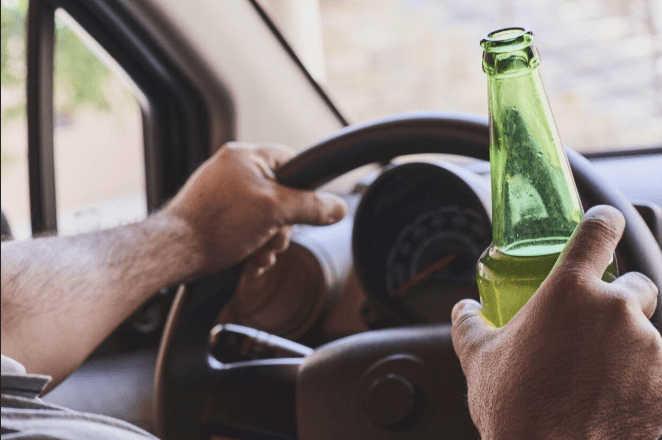
Driving under the influence of alcohol or drugs is a serious offense. However, the exact charge can differ depending on the state and the situation. Many drivers are unsure about what each term means and how it affects their record.
When comparing DUI vs. DWI vs. DWAI, the differences come down to the level of impairment, the type of substance involved, and the specific laws in each state. Understanding these distinctions helps you know what penalties apply and what steps to take if you ever face such charges.
Understanding DUI
DUI stands for Driving Under the Influence. It means operating a vehicle while your physical or mental abilities are impaired by alcohol, drugs, or both.
Most states set a legal blood alcohol concentration (BAC) limit of 0.08 percent for adults. If your BAC is at or above that level, you can be charged with DUI even if you seem fine to drive.
DUIs can also involve prescription medication or controlled substances. Even small amounts of certain drugs can affect coordination and reaction time, leading to an arrest.
Penalties for a DUI often include fines, license suspension, mandatory education programs, community service, and sometimes jail time. Repeat offenses bring harsher consequences.
What Is a DWI?
DWI stands for Driving While Intoxicated or Driving While Impaired. The meaning depends on the state. Some states use DWI interchangeably with DUI, while others treat it as a more severe offense.
In certain jurisdictions, DUI refers to alcohol use, while DWI may cover impairment from drugs, including prescription medication. In others, the distinction depends on how much the driver’s ability was affected.
For example, a driver might be charged with DWI if their BAC exceeds the legal limit or if their impairment is visibly high. Penalties usually mirror those of a DUI but can be stricter if the BAC is significantly over the limit or if minors are present in the vehicle.
Defining DWAI
DWAI stands for Driving While Ability Impaired. This charge is less common and used mainly in states like Colorado and New York. It applies when a driver is slightly impaired but not to the extent required for a DUI or DWI.
In a DWAI case, the prosecution must show that the driver’s ability to operate a vehicle was affected to any degree by alcohol or drugs, even if their BAC is below 0.08 percent.
A DWAI is often treated as a lesser offense than DUI or DWI, but it still carries penalties. These may include fines, short-term license suspension, and mandatory substance education classes. For repeat offenders, the penalties increase sharply.
Key Differences Between DUI, DWI, and DWAI
While all three charges involve impaired driving, the differences lie in the level of impairment and state-specific definitions.
- DUI (Driving Under the Influence): Impairment by alcohol or drugs; usually a standard charge when BAC is 0.08 or higher.
- DWI (Driving While Intoxicated): In some states, a more serious offense than DUI; may indicate higher impairment or a higher BAC level.
- DWAI (Driving While Ability Impaired): A lesser charge used in limited states; applies when impairment is proven but BAC is under the legal limit.
Each term represents a distinct offense, but all share one goal: discouraging impaired driving and protecting public safety.
Legal and Financial Consequences
All three offenses have serious consequences beyond fines and license suspension. Convictions can affect employment, insurance rates, and background checks.
Drivers may be required to install ignition interlock devices, attend substance abuse programs, or complete probation. Repeat offenders often face felony charges, longer suspensions, and mandatory jail time.
Even a first-time offense can cost thousands of dollars when adding court fees, insurance hikes, and attorney costs.
Preventing Impaired Driving
The best way to avoid any of these charges is simple: never drive after consuming alcohol or drugs. Plan ahead when going out. Use ride-sharing services, public transport, or a designated driver.
If you take prescription medication, talk to your doctor or pharmacist about side effects that could impair driving. Responsibility before getting behind the wheel saves lives and avoids life-changing legal consequences.
Key Takeaways
- DUI, DWI, and DWAI all involve impaired driving but differ by severity and state definitions.
- DUI usually covers alcohol or drug impairment with a BAC of 0.08 percent or higher.
- DWI can mean a more severe level of impairment or higher BAC.
- DWAI refers to slight impairment, often with a BAC below 0.08 percent.
- Penalties include fines, license suspension, mandatory programs, and possible jail time.
- Each state has its own laws and terminology, so always verify local rules.
- The safest choice is never to drive after drinking or using drugs.