
In communities like Santa Clarita, identity rarely comes from big statements. It forms quietly, through daily routines, long-held habits, and the subtle ways people present themselves in public spaces. From weekend farmers markets to school pickup lines and local events, residents communicate who they are through practical decisions rather than deliberate displays.
Clothing is one of those decisions that often carries more meaning than people realize. What someone wears on an ordinary day usually reflects lifestyle, environment, and values more than fashion cycles. In areas where outdoor living, family life, and workdays often blend together, styles that balance comfort and character tend to endure. That’s why choices such as western clothing for women still appear naturally in everyday settings, not as costumes or trends, but as familiar expressions of durability, independence, and personal heritage.
These choices are rarely about standing out. Instead, they reflect a preference for items that feel appropriate across contexts, holding up through daily wear while quietly reinforcing a sense of self that feels grounded rather than performative.
The Creative Undercurrent of Practical Living
Beneath the surface of many practical choices is a creative impulse. Even when people aren’t consciously thinking about design or craftsmanship, their decisions are shaped by an appreciation for how things are made and how they function over time. This is especially true in communities where self-reliance and adaptability are part of the local culture.
In Santa Clarita, creativity often shows up in hands-on ways. Home projects, custom solutions, and personal adjustments are common, whether driven by necessity or preference. This mindset extends into clothing as well. Many residents value garments that can be repaired, altered, or personalized, which helps explain the steady interest in sewing patterns for women as a way to create or modify clothing that fits real bodies and real routines.
The appeal here isn’t nostalgia. It’s control. Being able to adapt something to your needs reduces waste, saves money, and creates a stronger connection to the items you use. That connection, in turn, encourages care rather than disposability.
According to a 2024 report from the Ellen MacArthur Foundation, interest in repairable and customizable goods continues to rise, particularly in suburban and semi-rural communities where practicality and sustainability intersect. This shift reflects a broader movement away from throwaway culture toward longer product lifecycles supported by individual skill and choice.
Why Longevity Matters in Local Communities
In fast-moving urban centers, trends often dominate because visibility and novelty are rewarded. In contrast, places like Santa Clarita tend to value consistency. People see the same neighbors regularly. Local businesses build relationships over years, not weeks. Decisions are made with an eye toward how they’ll age, not just how they’ll look today.
This perspective shapes consumption habits. Items that last earn trust. Materials that hold up become familiar. Styles that adapt across seasons and situations naturally stick around. Over time, this creates a shared visual language that feels cohesive without being uniform.
Longevity also supports emotional stability. When fewer things need replacing, people spend less time reacting and more time settling into routines that work. That steadiness becomes especially important for families juggling work, school, and community commitments.
Personal Expression Without Excess
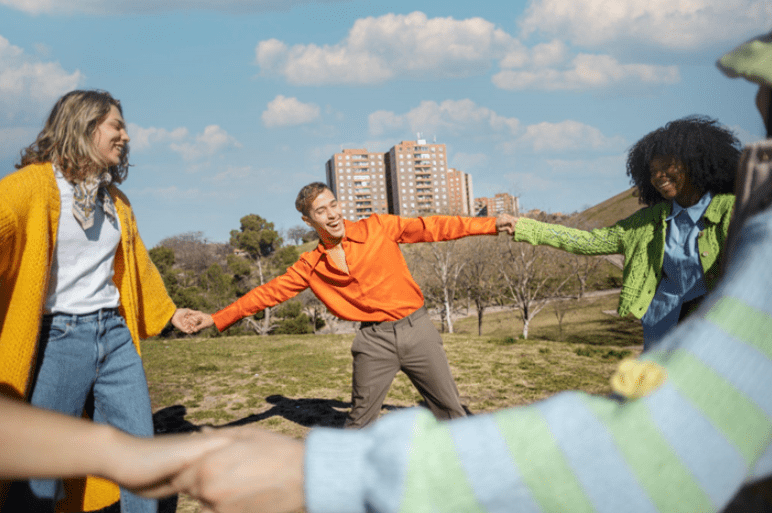
One of the defining characteristics of Santa Clarita’s local culture is restraint. Expression exists, but it tends to be understated. People signal individuality through details rather than spectacle, choosing pieces that feel authentic rather than attention-seeking.
This approach extends beyond clothing. Homes, cars, and even landscaping often reflect the same balance between function and personality. There is pride in keeping things maintained, not constantly upgraded. That pride comes from ownership and familiarity rather than novelty.
When personal expression is grounded in use rather than display, it becomes more sustainable. It also fosters a sense of belonging, because shared values are easier to recognize when they’re expressed quietly and consistently.
The Role of Skill in Modern Self-Sufficiency
Skill has always been central to self-sufficient communities. While the specific skills evolve over time, the underlying principle remains the same: knowing how things work reduces dependence and increases confidence.
Today, those skills may include basic repairs, customization, or creative problem-solving rather than full-scale production. Even limited abilities can have an outsized impact on how people relate to their belongings. When someone knows they can adjust, mend, or rethink an item, they’re more likely to invest in quality and less likely to discard something prematurely.
This skill-based mindset aligns closely with educational and cultural trends emphasizing resilience and adaptability. It reinforces the idea that value doesn’t come solely from purchase, but from participation.
Community Identity as a Shared Practice
Identity isn’t static. It’s reinforced through repetition. The same paths walked daily, the same choices made consistently, the same standards applied quietly over time. In Santa Clarita, this repetition creates continuity even as the community grows and changes.
Clothing, creativity, and craftsmanship all play small but meaningful roles in that process. They provide visible cues that link individuals to place, reminding residents that identity is something practiced, not announced.
These practices don’t demand attention, and that’s precisely their strength. They allow people to live comfortably within their environment, expressing who they are without needing validation.
Living With Intention, One Choice at a Time
Ultimately, what defines a community isn’t any single trend or tradition, but the accumulation of ordinary decisions made with intention. When people choose items that fit their lives rather than forcing their lives to fit the item, they create systems that last.
In places like Santa Clarita, that approach supports both individual well-being and collective identity. It encourages care, continuity, and a quieter form of confidence rooted in knowing what works and why.
Over time, those small choices become the foundation of something larger: a community that feels cohesive, resilient, and unmistakably itself.