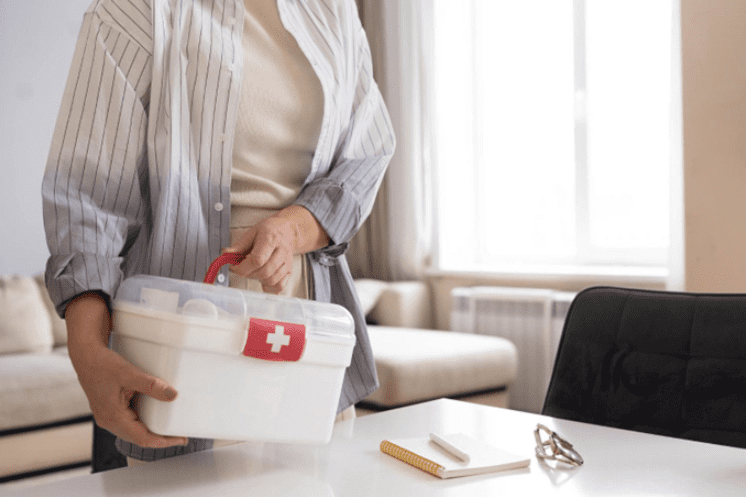
Preparedness used to be framed almost entirely around emergencies. It meant having supplies stored away for rare events and assuming that disruptions were temporary exceptions to an otherwise stable routine. That thinking has changed. Today, preparedness is more often about designing everyday systems that quietly support normal life while remaining flexible when conditions shift. From how households manage energy to how people stay connected during travel or outdoor activities, the emphasis is on reliability rather than reaction. This is why many homeowners and planners now consider infrastructure upgrades alongside lifestyle choices, sometimes pairing efficiency improvements with additions like jackery solar panels as part of broader household planning rather than as standalone emergency gear.
This evolution reflects a more mature understanding of risk. Power interruptions, extreme weather, and infrastructure strain are no longer viewed as distant possibilities. They are expected variables, and modern preparedness focuses on reducing friction when those variables appear.
Why Communication Still Matters When Systems Change
While energy reliability often dominates discussions around preparedness, communication plays an equally important role. No matter how well-designed a system is, people still need to coordinate, share information, and make decisions in real time. This becomes especially relevant in environments where mobile networks are unreliable or simply overloaded.
Practical Communication in Unpredictable Settings
In situations where coverage is inconsistent, simple tools often outperform complex ones. Outdoor workers, travelers, and families spending time away from urban centers frequently rely on direct communication methods such as a walkie-talkie to maintain contact without depending on external infrastructure. These tools are not about novelty or nostalgia. They are practical solutions that align with the same preparedness mindset guiding modern energy and safety decisions.
The Federal Communications Commission has long emphasized the value of short-range radio communication during network outages, noting that localized communication tools remain functional when broader systems fail. For many people, incorporating straightforward communication devices into daily activities is less about emergencies and more about convenience, coordination, and clarity.
Preparedness as a Design Philosophy
What distinguishes modern preparedness from older models is intent. Instead of reacting to fear, people are proactively shaping environments that absorb disruption gracefully. This applies to homes, vehicles, and even routines. A well-designed system does not announce itself. It simply works.
This design-first mindset borrows heavily from principles used in architecture and urban planning. Redundancy, adaptability, and modularity are prioritized because they reduce the consequences of failure. When one component underperforms, another compensates without demanding immediate intervention. Preparedness becomes invisible, which is precisely what makes it effective.
The Influence of Lifestyle Changes on Preparedness Thinking
Remote work, flexible schedules, and increased mobility have also reshaped how people think about stability. Homes now serve multiple purposes, functioning as offices, living spaces, and sometimes temporary shelters during weather events. This convergence has elevated the importance of systems that can support extended use without strain.
The U.S. Department of Energy has noted that residential energy demand patterns have shifted significantly in recent years, placing new pressure on local grids. In response, households are increasingly exploring decentralized solutions that complement existing infrastructure rather than replacing it outright. This approach aligns with a broader trend toward resilience through diversification.
Technology That Supports, Rather Than Distracts

Another defining feature of modern preparedness tools is their ability to integrate without disruption. People are less interested in devices that require constant monitoring or complex maintenance. Instead, they favor solutions that operate quietly in the background, supporting routines rather than interrupting them.
This preference extends beyond energy and communication. It includes lighting, water management, and even data storage. The common thread is trust. When a system is reliable, people stop thinking about it. That cognitive relief is a significant but often overlooked benefit of preparedness-focused design.
Psychological Comfort Through Structural Stability
Preparedness is not only physical. It has a psychological dimension that is increasingly recognized by researchers. Knowing that systems are in place reduces stress and allows individuals to focus on other priorities. This sense of stability is particularly important during periods of uncertainty, when small disruptions can otherwise feel overwhelming.
Studies referenced by the American Psychological Association suggest that perceived control over one’s environment plays a key role in emotional well-being. Preparedness, when approached as thoughtful design rather than alarmist planning, enhances that sense of control without creating anxiety.
Sustainability as an Added Outcome
An interesting side effect of modern preparedness choices is their alignment with sustainability goals. Efficient energy use, reduced waste, and smarter resource management often emerge naturally from resilience-focused planning. What begins as a practical decision frequently carries environmental benefits.
This overlap has helped shift the narrative around preparedness. It is no longer framed as pessimistic or excessive. Instead, it is increasingly viewed as responsible stewardship of resources and space. Preparedness becomes a reflection of long-term thinking rather than short-term fear.
Looking Ahead: Preparedness as a Quiet Standard
As infrastructure challenges become more visible and lifestyles continue to evolve, preparedness is likely to become even more normalized. The tools and systems people choose today will shape expectations tomorrow. What once seemed optional may soon be considered basic functionality.
The future of preparedness is subtle. It is built into the design of homes, routines, and habits, supporting daily life while remaining ready for disruption. By approaching preparedness as an extension of good design, individuals and households are redefining what it means to be ready in a world where change is constant but manageable.