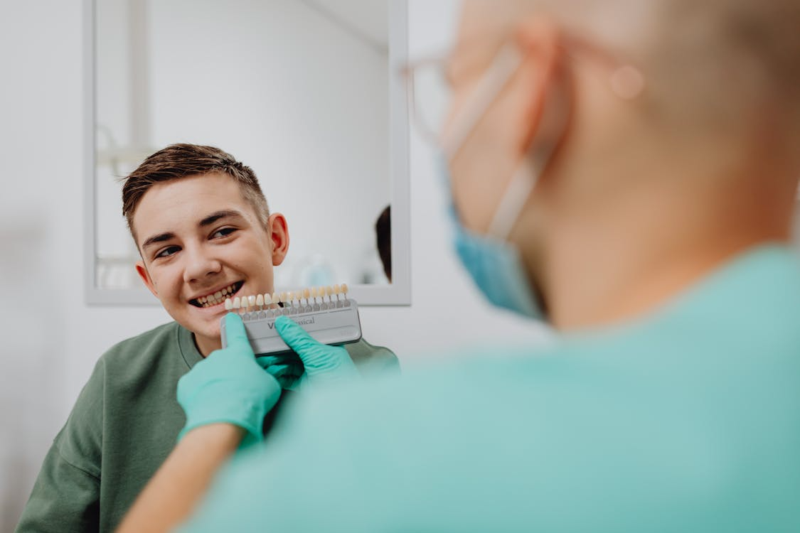
According to the American Dental Association’s 2023 data, cosmetic dental procedures have increased by 33% over the past five years, with porcelain veneers leading the surge as patients seek durable, natural-looking solutions for smile imperfections. What’s driving this trend isn’t just vanity — it’s the recognition that a confident smile affects everything from career prospects to social interactions, while modern veneer technology offers results that were impossible just a decade ago.
The stakes for making the right choice have never been higher. Unlike teeth whitening or other reversible treatments, veneers involve permanent changes to your tooth structure. Choose well, and you’re looking at decades of improved confidence and oral health. Choose poorly, and you might face sensitivity, maintenance challenges, or the need for costly replacements down the road.
For anyone considering veneers, the decision hinges on understanding not just what they can do, but whether they’re the right solution for your specific situation. The following guide cuts through the marketing hype to examine how veneers actually work, their genuine advantages over alternatives, and the practical realities of living with them long-term.
How Porcelain Veneers Work and Improve Smiles
Porcelain veneers function as ultra-thin shells — typically just 0.5 to 0.7 millimeters thick — that bond permanently to the front surface of your teeth. The process begins with your dentist removing a small amount of enamel, roughly equivalent to the thickness of the veneer itself, creating space for the new surface without making teeth appear bulky or unnatural.
Here’s what sets modern veneers apart from older cosmetic approaches: they don’t just cover problems, they actually strengthen the remaining tooth structure. The porcelain material has a flexural strength that closely matches natural enamel, meaning it can withstand normal biting forces while distributing stress across the entire tooth surface. This mechanical advantage explains why properly placed veneers can last 15-20 years with appropriate care.
The transformation happens at both the aesthetic and functional level. Consider someone with naturally yellow teeth that resist whitening — perhaps due to tetracycline staining or genetics. Traditional bleaching might lighten them two or three shades at best, and the results fade over time. A veneer, however, can achieve any desired shade permanently, from natural ivory to Hollywood white, because you’re essentially replacing the visible tooth surface entirely.
Beyond color correction, veneers reshape teeth in ways that improve both appearance and bite mechanics. Small gaps close, worn edges rebuild, and slightly crooked teeth align — all while preserving the majority of the natural tooth structure underneath. This combination of cosmetic enhancement and structural support represents a fundamental shift from purely aesthetic treatments to comprehensive smile rehabilitation.
The bonding process creates an interface stronger than many people realize, involving both mechanical retention (the roughened enamel surface) and chemical adhesion (specialized dental cements). Once cured, the veneer becomes an integral part of the tooth, not a covering that might pop off during normal use.
Key Benefits of Porcelain Veneers Compared to Other Treatments
Benefits Over Teeth Whitening and Other Cosmetic Options
Professional teeth whitening addresses surface stains and can lighten natural tooth color by several shades, but it faces significant limitations that veneers overcome completely. Whitening effects fade over 12-18 months, requiring repeated treatments to maintain results. More importantly, certain types of discoloration — particularly gray staining from tetracycline antibiotics or fluorosis spots — respond poorly to bleaching agents regardless of strength or duration.
Veneers eliminate these constraints entirely. The porcelain surface remains colorfast indefinitely, unaffected by coffee, wine, or smoking that would quickly reverse whitening results. For someone who drinks coffee daily or enjoys red wine, this permanence represents both convenience and long-term value. You’re investing once rather than paying for touch-up whitening sessions every year or two.
The scope of improvement extends far beyond color. Whitening can’t fix chips, close gaps, or reshape worn edges — problems that affect millions of adults as they age. Veneers address multiple cosmetic concerns simultaneously: a single treatment can brighten, straighten, lengthen, and strengthen teeth that would otherwise require separate procedures (whitening, bonding, minor orthodontics) spread across months or years.
Composite bonding, another common alternative, offers immediate results at a lower initial cost, but the material stains over time and typically needs replacement every 5-7 years. The math becomes clear when you calculate lifecycle costs: veneers’ higher upfront investment often breaks even with composite replacement cycles, while delivering superior aesthetics and durability throughout.
Benefits Over Crowns and Other Restorative Procedures
The distinction between veneers and crowns comes down to preservation versus replacement. A crown requires removing tooth structure from all surfaces — front, back, sides, and chewing surface — reducing the natural tooth to a small post. Veneers preserve 85-90% of the original tooth structure by only modifying the front surface.
This difference matters tremendously for long-term oral health. Teeth prepared for crowns face higher risks of nerve damage, root canal needs, and structural failure over time because so little natural tooth remains. The extensive preparation also makes crown placement irreversible — there’s no going back to a natural tooth once crown preparation is complete.
Veneers maintain the tooth’s structural integrity while improving its appearance and function. The remaining enamel and dentin continue to provide strength and natural flex characteristics that help prevent fractures. When a crown eventually fails (typically after 10-15 years), replacement often involves even more aggressive preparation. When a veneer needs replacement, the process remains minimally invasive.
The precision fit possible with veneers also creates better gum health outcomes. Crown margins — where the restoration meets the natural tooth — sit at or below the gum line, creating potential sites for bacteria accumulation and gum inflammation. Veneer margins typically remain above the gum line, making them easier to clean and less likely to cause periodontal problems.
For teeth that need cosmetic improvement but retain good structural integrity, veneers represent the conservative choice that preserves options for future treatment while delivering immediate results that rival more aggressive approaches.
Who Is the Best Candidate for Veneers
The ideal veneer candidate has specific dental and lifestyle characteristics that predict long-term success. Structurally, your teeth need sufficient enamel thickness to allow preparation without reaching the underlying dentin layer. Teeth with large existing fillings, extensive decay, or previous root canal treatment may lack the foundation necessary for reliable veneer adhesion.
Your bite pattern plays a crucial role that many people overlook. Heavy grinders or those who clench their teeth during sleep put enormous pressure on any restoration — forces that can crack porcelain or debond veneers prematurely. If you wake up with jaw soreness or catch yourself clenching during stressful moments, addressing these habits with a night guard becomes essential before veneer placement.
Consider the case of someone with naturally thin enamel who’s been grinding their teeth for years. The combination creates a perfect storm for veneer failure: insufficient bonding surface plus excessive force equals chips, cracks, or complete debonding within the first few years. A qualified dentist will identify these risk factors during evaluation and recommend addressing them first.
Realistic expectations separate successful veneer patients from disappointed ones. Veneers excel at correcting color, minor spacing issues, small chips, and slight irregularities. They cannot fix major orthodontic problems, replace missing tooth structure from large cavities, or create dramatic shape changes that would compromise function. Someone hoping to transform severely crooked teeth into a perfect Hollywood smile may need orthodontics or crowns instead.
Lifestyle factors influence candidacy as well. People who play contact sports, chew ice habitually, or use their teeth as tools face higher failure rates. The investment in veneers often motivates positive behavior changes, but honest self-assessment about your habits helps predict long-term satisfaction.
Age considerations matter too, though not in the way most people assume. Very young patients (under 18) may lack sufficient enamel development, while older patients might have tooth wear or gum recession that complicates placement. The sweet spot often falls between the mid-twenties and early sixties, when teeth have matured but haven’t experienced extensive wear or dental work.
Financial readiness extends beyond the initial procedure cost. Quality veneers represent a significant investment that should include budgeting for professional cleanings, potential repairs, and eventual replacement after 15-20 years. Patients who understand and plan for these ongoing costs typically achieve better long-term outcomes than those focused solely on upfront expenses.
What to Expect Before and After Getting Veneers
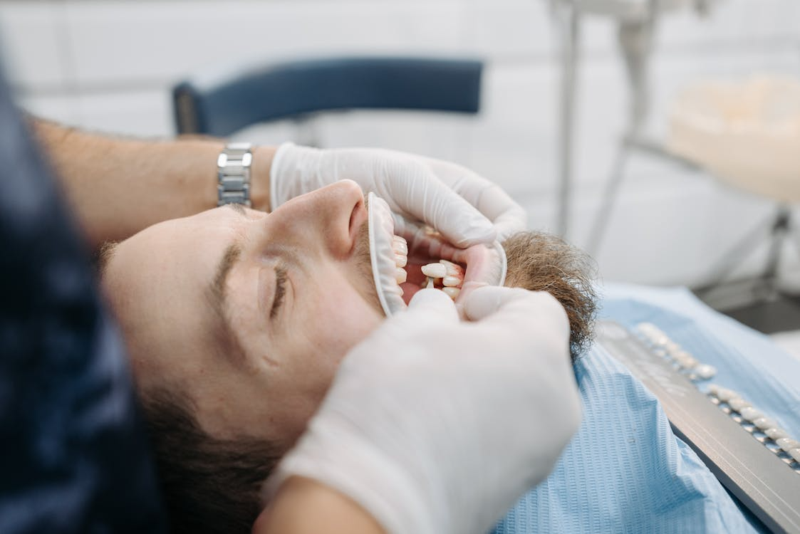
The veneer process unfolds over 2-3 appointments, with each step building toward the final result. Your initial consultation involves comprehensive evaluation including X-rays, bite analysis, and digital impressions or molds. Many practices now use digital smile design software to show you projected results before any tooth preparation begins, eliminating guesswork about the final appearance.
Tooth preparation, typically completed during the second visit, involves removing 0.5-0.7 millimeters of enamel from each tooth receiving a veneer. Local anesthesia ensures comfort during this process, though many patients report minimal discomfort even without it due to the conservative nature of the preparation. The key lies in precision — removing exactly enough structure to accommodate the veneer thickness without compromising tooth strength or causing sensitivity.
Temporary veneers protect your prepared teeth during the 1-2 weeks required for laboratory fabrication. These temporaries, while functional, don’t represent the final result’s appearance or fit. Some patients experience minor sensitivity to temperature changes during this period, which typically resolves once permanent veneers are placed.
The final appointment involves careful fitting, color verification, and permanent bonding. This process can take several hours for multiple veneers, as each one must be individually adjusted and bonded for optimal fit and appearance. The transform your smile with veneers process requires patience and precision from both dentist and patient to achieve results that look natural and function properly.
Post-placement care begins immediately with specific dietary restrictions. Avoid very hot or cold foods for the first 48 hours while the bonding cement completes its cure. Hard foods like nuts, ice, or crusty bread should be approached cautiously for the first week as you adapt to the new surfaces and bite relationship.
Long-term maintenance closely mirrors natural tooth care with specific additions. Daily flossing becomes crucial because veneer margins can harbor bacteria if not properly cleaned. Use a soft-bristled toothbrush and non-abrasive toothpaste to avoid scratching the porcelain surface. Regular professional cleanings every six months allow your dentist to monitor veneer condition and address any concerns early.
Night guard use may be recommended, particularly if you have any grinding or clenching tendencies. The guard protects both your veneers and remaining natural teeth from excessive forces that could cause chipping or premature wear.
Common Risks and Misconceptions About Veneers
Sensitivity represents the most common immediate concern, affecting roughly 20% of patients in the first few weeks after placement. This typically results from the enamel removal exposing microscopic nerve endings in the underlying dentin. Most sensitivity resolves as these nerve endings naturally seal themselves, but severe or persistent sensitivity may indicate deeper preparation than intended or incomplete sealing of the veneer margins.
The permanence of veneers creates both benefits and challenges. While the durability is appealing, it means you’re committed to maintaining some form of restoration on those teeth for life. Even if veneers are removed, the prepared teeth will likely need crowns or new veneers because the enamel removal is irreversible.
Chipping poses the primary long-term risk, particularly for those who grind their teeth or have habits like nail-biting or pen-chewing. Small chips can sometimes be polished smooth, but larger fractures typically require complete veneer replacement. The porcelain’s strength makes catastrophic failure unlikely, but edge chips occur more frequently than patients expect, especially in the first year as they adapt to the new surfaces.
Color matching presents challenges that many patients underestimate. While porcelain can be tinted to match natural teeth, achieving perfect harmony between veneered and non-veneered teeth requires considerable skill. Lighting conditions affect how colors appear, and what looks perfect in the dental office might appear slightly different in natural sunlight or indoor lighting.
A persistent misconception holds that veneers prevent all future dental problems on treated teeth. In reality, the junction between veneer and natural tooth remains vulnerable to decay if oral hygiene lapses. Bacteria can still accumulate at veneer margins, potentially leading to cavities that compromise the entire restoration.
The “reversible” veneer marketing some providers promote misleads patients about the commitment involved. While minimal-prep or no-prep veneers preserve more enamel, they still alter tooth surfaces and create thickness that affects bite and speech. True reversibility doesn’t exist once any tooth modification occurs.
Maintenance costs accumulate over decades, something many patients fail to consider initially. Professional cleanings, potential repairs, and eventual replacement represent ongoing investments that can equal or exceed the original procedure cost over a veneer’s lifetime. Planning for these expenses from the beginning prevents financial strain and ensures proper care.
For anyone considering veneers, the decision ultimately comes down to weighing these genuine risks against the documented benefits, while maintaining realistic expectations about both the process and long-term commitment involved. The key lies in thorough evaluation, honest communication with your dentist, and careful consideration of your specific circumstances and goals.