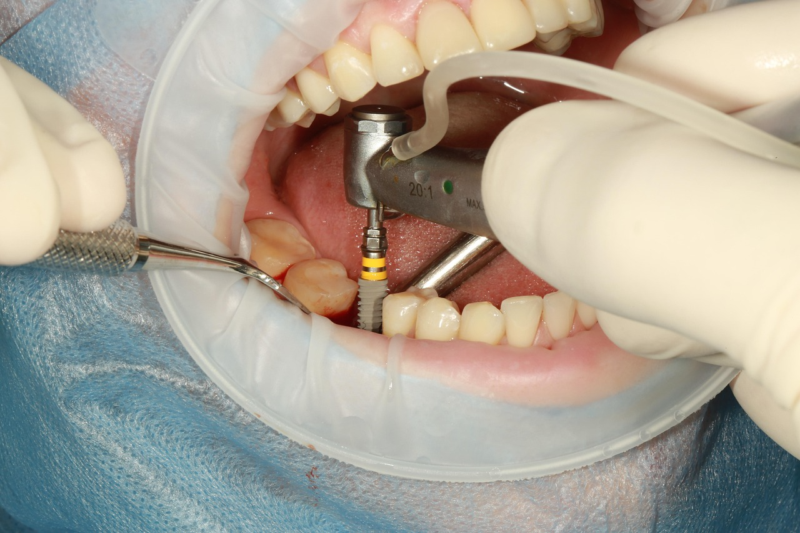
According to the American Dental Association’s 2024 data, dental implant success rates have reached 95% over 10 years — yet many patients still see them primarily as an aesthetic solution. As digital dentistry and advanced materials reshape the field, implants have evolved far beyond simple tooth replacement into comprehensive oral health interventions. The benefits extend into areas most people never consider: from preventing facial collapse to restoring the ability to taste food fully.
For the millions of Americans facing tooth loss each year, understanding these lesser-known advantages can shift the entire decision-making process. While cost and procedure concerns dominate most conversations, the real value often lies in improvements to daily life that become apparent months or years after placement. What follows are four benefits that consistently surprise patients — and why they matter more than many realize.
How Dental Implants Improve Chewing and Speech Function
The difference becomes obvious the first time someone bites into an apple without thinking twice. Unlike dentures that rest on the gums or bridges that rely on adjacent teeth, implants anchor directly into the jawbone, creating a foundation that can handle the full force of natural chewing — up to 200 pounds per square inch for back teeth.
This mechanical advantage translates into practical benefits most people don’t anticipate. Foods that become off-limits with missing teeth — corn on the cob, nuts, crusty bread — return to the menu. The psychological impact runs deeper than nutrition alone. Many patients describe regaining confidence in social eating situations, no longer scanning menus for “safe” foods or declining dinner invitations.
Speech improvements often surprise patients even more. Missing front teeth create obvious pronunciation challenges, but back teeth play crucial roles too. They provide the tongue positioning needed for clear “s” and “sh” sounds. When molars are missing, the tongue has to work harder to form these sounds, leading to fatigue during long conversations or presentations.
Implants restore the natural feedback loop between teeth and tongue. Traditional dentures can slip slightly during speech, forcing constant micro-adjustments. Bridges alter the spacing between teeth, requiring adaptation. Implants maintain the precise spatial relationships that allow effortless speech patterns developed over decades.
The impact extends beyond individual words to overall communication confidence. Teachers, salespeople, and anyone whose livelihood depends on clear communication often cite speech restoration as the most valuable benefit — one they hadn’t fully considered before treatment but now couldn’t imagine living without.
How Dental Implants Support Jawbone and Facial Structure Health
Here’s what catches most people off guard: your jawbone essentially thinks a missing tooth means it’s no longer needed in that area. Within the first year after tooth loss, the bone begins resorbing — shrinking away — at a rate of about 25% in the affected area. This process continues indefinitely, gradually changing facial proportions in ways that can age someone by years.
The biological mechanism explains why. Every time you chew, bite pressure travels through tooth roots into the surrounding bone, triggering cellular activity that maintains bone density. Remove the tooth, and that stimulation disappears. The bone follows the “use it or lose it” principle, gradually dissolving minerals back into the bloodstream.
Implants are the only tooth replacement option that restores this natural stimulation. The titanium post acts like an artificial root, transmitting bite forces directly into the jawbone during chewing. This mechanical loading triggers the same cellular responses as natural teeth, maintaining bone density and facial support.
The aesthetic implications compound over time. As jawbone shrinks, the lower face appears to collapse inward. The distance between nose and chin decreases. Deep wrinkles form around the mouth as soft tissues lose their underlying support. Many people attribute these changes to normal aging when they’re actually consequences of untreated tooth loss.
For patients missing multiple teeth, the difference can be dramatic. Areas with dental implants maintain their original bone volume while untreated areas continue shrinking. The contrast becomes visible in facial photographs taken years apart — implant-supported areas retain youthful contours while other regions show typical aging patterns.
This bone preservation effect extends beyond aesthetics to future treatment options. Patients who choose implants early maintain enough bone for straightforward procedures. Those who wait often require complex bone grafting before implants become possible, adding months to treatment and significantly increasing costs.
Advantages of Dental Implants over Dentures and Bridges
Why Implants Provide Better Stability and Comfort than Dentures
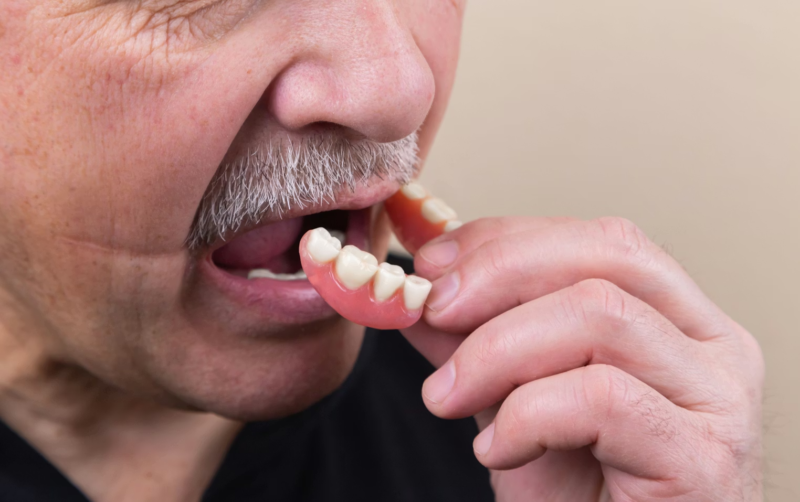
Traditional dentures rely on suction and adhesive for retention — a fundamentally unstable arrangement that creates daily frustrations most denture wearers accept as inevitable. Even well-fitted dentures can shift during eating or speaking, requiring constant mental attention to prevent embarrassing slips.
Implant-supported dentures eliminate this instability entirely. Just two to four implants can anchor a full arch of teeth, creating a connection that feels remarkably similar to natural teeth. Patients describe the difference as night and day — from constantly managing their teeth to forgetting they have replacements at all.
The comfort improvement stems from pressure distribution. Traditional dentures concentrate chewing forces on the gums, which aren’t designed to handle such pressure. Over time, this creates persistent sore spots and requires multiple adjustments. Implant-supported prosthetics transfer forces directly to the bone through the implant posts, eliminating pressure points on soft tissues.
This stability also preserves taste sensation. Traditional upper dentures cover the roof of the mouth, blocking taste receptors that contribute significantly to flavor perception. Implant-supported replacements require no palatal coverage, maintaining full taste function — a benefit many patients rank among their favorites.
How Implants Outperform Bridges in Preserving Oral Health
Dental bridges seem like an elegant solution for single missing teeth — until you consider what’s required. Creating a bridge means grinding down healthy adjacent teeth to accommodate crowns, permanently altering teeth that may never have needed treatment.
This preparation removes significant tooth structure, weakening the supporting teeth and potentially requiring root canal treatment if nerves become compromised. Those support teeth now carry extra chewing loads they weren’t designed to handle, increasing fracture risk over time. When bridges fail — and most do within 10 to 15 years — patients often face complex decisions about the damaged support teeth.
Implants treat only the missing tooth. Adjacent teeth remain completely untouched, preserving their natural strength and health. This conservative approach becomes especially valuable when the missing tooth is surrounded by healthy teeth with no previous dental work.
The maintenance difference proves equally significant. Bridges create cleaning challenges around the connection between replacement tooth and crowns. Flossing requires special threader tools, and plaque tends to accumulate in areas that remain difficult to reach despite good oral hygiene. Implants clean like natural teeth — standard brushing and flossing maintain them indefinitely.
How Materials and Technology Impact Dental Implant Success
The choice between titanium and zirconia implants affects more than just biocompatibility — it influences everything from healing time to long-term aesthetics. Titanium’s track record spans over 50 years, with extensive research documenting its ability to integrate completely with bone tissue. The metal’s unique property of osseointegration allows bone cells to grow directly onto the implant surface, creating a biological bond stronger than the original tooth root attachment.
Zirconia implants offer aesthetic advantages in the front teeth region. The white ceramic material eliminates any possibility of gray shadowing through thin gum tissue — a consideration that matters primarily for upper front teeth where gum transparency can reveal metal underneath. However, zirconia’s brittleness requires more careful handling during placement and may limit treatment options in areas requiring angled implants.
Digital planning technology has revolutionized implant precision beyond what many patients realize. Computer-guided surgery allows dentists to plan implant placement virtually, identifying optimal positions while avoiding nerves and sinuses. Surgical guides created from these digital plans ensure implants are placed exactly as designed, often reducing healing time and improving final aesthetics.
The manufacturing precision of modern implants deserves recognition too. Today’s implants are machined to tolerances measured in micrometers, with surface textures specifically designed to encourage bone integration. These seemingly minor technical details translate into more predictable healing and better long-term outcomes.
Advanced surface treatments further enhance success rates. Some implants feature microscopic surface modifications that accelerate the bone healing process, potentially reducing the time between implant placement and final tooth attachment. While these innovations add cost, they can significantly benefit patients with compromised bone quality or healing capacity.
What Dental Implant Research Reveals About Risks and Common Misconceptions
The biggest misconception patients carry into implant consultations is that the surgery itself represents the primary risk. According to recent studies published in the Journal of Oral Implantology, immediate surgical complications occur in fewer than 2% of cases, typically involving minor bleeding or temporary numbness. The real determinants of long-term success happen during the months following placement.
Smoking emerges as the single biggest controllable risk factor. Research consistently shows implant failure rates increase three to four times in smokers compared to non-smokers. The mechanism involves reduced blood flow to healing tissues, compromising the bone integration process that makes implants successful. Many oral surgeons now require smoking cessation before proceeding with treatment.
Age concerns prove largely unfounded. Studies tracking implant success in patients over 70 show failure rates comparable to younger adults, provided overall health remains good. The determining factors are bone quality and oral hygiene habits, not chronological age. Some of the most successful long-term implant patients are seniors who maintain excellent home care routines.
The “painful recovery” myth deserves addressing directly. Most patients report that implant placement feels less traumatic than tooth extraction. The procedure involves minimal soft tissue manipulation, and modern techniques often eliminate the need for stitches. Pain medication requirements typically fall below what patients expect, with many managing post-operative discomfort using over-the-counter medications alone.
Infection risks remain manageable with proper protocols. Antibiotic prophylaxis and meticulous surgical technique keep post-operative infection rates below 3%. When infections do occur, they typically respond well to treatment if addressed promptly. The key lies in following post-operative instructions carefully during the critical first two weeks of healing.
Recent research has also clarified the relationship between systemic health and implant success. Controlled diabetes doesn’t significantly impact outcomes, while uncontrolled diabetes can compromise healing. Heart disease, when properly managed, poses minimal additional risk. These findings help dispel outdated contraindications that previously excluded many patients from implant treatment.
The evidence supports what many practitioners observe daily: implant complications are usually preventable through careful case selection, precise surgical technique, and committed patient cooperation during healing. Understanding these factors allows patients to make informed decisions based on realistic risk assessments rather than outdated concerns.
As implant technology continues advancing and techniques become more refined, the gap between patient expectations and actual outcomes will likely continue narrowing. For those considering tooth replacement options, the research provides compelling evidence that implant benefits extend far beyond what most people initially envision — making the investment worthwhile for reasons they might never have considered.