According to the American Academy of Pediatric Dentistry’s 2024 trauma surveillance report, dental injuries affect one in six children by age 12, with the peak incidence occurring between ages 8-10 when kids are most active yet still developing coordination and judgment. What makes these statistics particularly sobering is that many of the most severe outcomes — permanent tooth loss, nerve damage, infection spread — result not from the initial trauma itself, but from delayed or inadequate emergency response in those critical first hours.
As pediatric emergency departments nationwide report increasing dental trauma cases, parents find themselves navigating unfamiliar territory where quick decisions can determine whether their child keeps a permanent tooth or faces years of complex reconstructive treatment. The challenge extends beyond just knowing when to seek care — it’s about understanding what you can safely do at home, how to manage pain and complications, and perhaps most importantly, how to help a frightened child cooperate during a traumatic experience.
The next hour after a dental emergency often shapes the next decade of a child’s oral health, making practical knowledge about recognition, first aid, and emergency management essential for every parent.
Why Timing and Early Intervention Matter Most
The biological window for successful emergency dental treatment operates on a compressed timeline that many parents don’t realize until it’s too late. When a permanent tooth gets knocked out completely, dental pulp begins dying within 15 minutes of losing its blood supply. After two hours outside the mouth, even perfectly preserved teeth have dramatically reduced success rates for reimplantation — dropping from 90% when treated within 30 minutes to roughly 10% after six hours.
But timing matters beyond just avulsed teeth. Dental infections in children can spread with alarming speed because their developing immune systems and the thinner bone structure around primary teeth provide less natural containment than adult anatomy. What starts as localized tooth pain can progress to facial swelling, fever, and even serious systemic infection within 24-48 hours if left untreated.
Consider a scenario many pediatric dentists see regularly: a child falls off their bike on Saturday afternoon, chips a permanent front tooth, and complains of mild sensitivity. Parents assume it’s minor since there’s no visible nerve exposure and decide to wait until Monday for a regular dental appointment. By Sunday evening, the child is experiencing severe throbbing pain because the trauma has damaged blood vessels inside the tooth, leading to internal bleeding and pressure buildup that could result in permanent nerve death.
The key insight here is that visible damage rarely tells the complete story with pediatric dental trauma. A tooth can appear intact externally while suffering significant internal injury that requires immediate intervention to preserve long-term vitality. Emergency dental radiographs often reveal root fractures, internal bleeding, or displacement that changes the entire treatment approach — but only if taken within the critical window when intervention can still be effective.
Early intervention also dramatically reduces the psychological impact on children, who often develop lasting dental anxiety when pain is allowed to escalate or when emergency treatment becomes more invasive due to delays.
Recognizing Common Pediatric Dental Emergencies and Symptoms
Identifying Dental Trauma and Infections
Dental trauma presents differently in children than adults, partly because their teeth and supporting structures are still developing. A knocked-out primary tooth might seem less urgent than a permanent one, but it can still damage the developing permanent tooth underneath if infection sets in. Look for teeth that appear longer or shorter than usual — this often indicates the tooth has been pushed up into the gum or displaced downward, both requiring immediate professional assessment.
Fractures aren’t always obvious — hairline cracks may only become visible when the child bites down or when you shine a flashlight across the tooth surface. More concerning are fractures that expose the pink or red center of the tooth, indicating nerve involvement that requires emergency treatment to prevent infection and preserve the tooth’s blood supply.
Dental infections in children often start subtly but progress rapidly. Early signs include persistent throbbing pain that worsens at night, sensitivity to hot liquids, and swelling that begins near the affected tooth. Parents should watch for facial asymmetry — even slight puffiness on one side that wasn’t there the day before. Advanced infections present with fever, difficulty swallowing, or swollen lymph nodes under the jaw, all indicating the infection is spreading beyond the tooth itself.
Distinguishing Between Emergencies and Urgent Care Needs
True dental emergencies requiring immediate care include any trauma causing tooth displacement, fractures exposing the nerve, completely knocked-out permanent teeth, and signs of spreading infection like facial swelling or fever. These situations deteriorate rapidly without intervention and can result in permanent consequences.
Urgent but non-emergency situations include minor chips without nerve exposure, loose teeth that haven’t been completely displaced, and localized tooth pain without systemic symptoms. These still need professional attention within 24 hours but won’t necessarily worsen dramatically with a few hours’ delay.
The distinction often hinges on active bleeding, visible nerve tissue, or systemic symptoms. If you’re questioning whether a situation qualifies as an emergency, consider that dental infections can become life-threatening in rare cases, while trauma to permanent teeth has a narrow window for optimal treatment outcomes. When in doubt, a quick call to an emergency dental service can help you assess whether immediate care is necessary or if careful monitoring until morning is appropriate.
Immediate First Aid and Emergency Care for Parents
Step-by-Step First Aid for Common Dental Injuries
For a completely knocked-out permanent tooth, time is critical. Handle the tooth only by the crown (the white part you normally see), never touching the root. If the tooth is dirty, rinse it gently with milk or saline solution — never scrub or use tap water, which can damage the delicate root surface cells needed for successful reimplantation. If the child is calm and old enough, try to reinsert the tooth immediately and have them bite down gently on a clean cloth to hold it in place.
When reimplantation isn’t possible — often the case with young children who might swallow the tooth — store it in cold milk, not water. Milk’s pH and osmolarity closely match the tooth’s natural environment, helping preserve the root surface for up to an hour. If milk isn’t available, use the child’s saliva or a commercial tooth preservation solution.
For dental fractures, rinse the mouth with warm water to clean the area and apply a cold compress to reduce swelling. If you can find the broken tooth fragment, save it in milk — dentists can sometimes reattach larger pieces. Cover any sharp edges with dental wax or even sugarless gum to prevent injury to the tongue or lips.
Control bleeding by having the child bite down on clean gauze or a damp tea bag for 10-15 minutes. Tea bags contain tannins that help promote clotting, making them particularly effective for oral bleeding.
Using a Dental Emergency First Aid Kit at Home
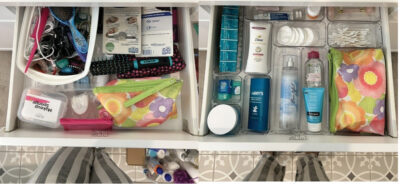
A well-prepared dental emergency kit should include sterile gauze, dental wax, a small container with a tight lid for storing knocked-out teeth, saline solution, and a digital thermometer to monitor for fever. Include disposable gloves to protect both you and your child from blood-borne pathogens during emergency care.
Cold packs are essential for managing swelling and pain, but never apply ice directly to injured teeth as the extreme cold can damage already traumatized nerves. Wrap ice in a thin cloth and apply for 15 minutes on, 15 minutes off. For situations where you need to reach out to our dental office or emergency services, having a list of important phone numbers easily accessible can save precious time during a crisis.
Over-the-counter pain medication can be included, but dosing for children differs significantly from adults. Keep a current weight-based dosing chart in your kit, as emergency situations aren’t the time to calculate pediatric doses. Never use aspirin in children due to the risk of Reye’s syndrome, and avoid topical oral anesthetics like benzocaine in children under two.
Pain Management and Handling Complications During Emergencies
Managing pediatric dental pain requires balancing effectiveness with safety, as children metabolize medications differently than adults and are more susceptible to certain complications. Ibuprofen often provides superior pain relief for dental trauma because it addresses both pain and inflammation, but it should be avoided if there’s active bleeding since it can impair clotting.
Acetaminophen remains the safest first-line option for most dental emergencies, especially when bleeding is present. The key is maintaining consistent therapeutic levels rather than waiting for pain to become severe — giving appropriate doses every four to six hours provides better pain control than sporadic higher doses.
For severe pain that over-the-counter medications can’t control, cold therapy becomes crucial. Apply wrapped ice packs to the outside of the face for 15-minute intervals, which can provide significant relief by numbing nerve endings and reducing inflammatory swelling that contributes to pain pressure.
Managing bleeding requires understanding normal versus concerning patterns. Light bleeding that stops with gentle pressure within 15-20 minutes is typically manageable at home. However, profuse bleeding that soaks through multiple gauze pads, bleeding that resumes repeatedly after seeming to stop, or bleeding accompanied by difficulty swallowing suggests deeper tissue damage requiring immediate professional evaluation.
Swelling often peaks 48-72 hours after dental trauma, but facial swelling that develops rapidly within the first few hours or extends beyond the immediate injury site can indicate serious complications. Watch particularly for swelling that affects the child’s ability to open their mouth normally or swallow comfortably, as this may signal a spreading infection requiring antibiotic intervention.
Infection signs in children can be subtle initially — irritability, loss of appetite, or low-grade fever might precede obvious dental symptoms. Parents should monitor temperature every few hours after significant dental trauma, as fever often provides the earliest warning of developing complications that need immediate professional attention.
Psychological Support and Child-Centered Care in Emergencies
The emotional trauma of a dental emergency often outlasts the physical injury, making psychological support as important as clinical treatment for long-term outcomes. Children who experience calm, reassuring emergency care are significantly less likely to develop lasting dental anxiety that can complicate future treatment and oral health maintenance.
During the acute emergency phase, your own emotional state directly influences your child’s response. Children instinctively mirror parental stress levels, so maintaining calm confidence — even when you feel panicked internally — helps prevent the situation from escalating psychologically. Use simple, honest language to explain what’s happening: “You hurt your tooth and we need to help it feel better” works better than detailed explanations that might increase anxiety.
Distraction techniques prove invaluable for managing pain and fear during emergency care. Allow your child to hold a comfort item, play familiar music through headphones, or engage with a tablet or smartphone if it helps them stay calm. Emergency dental providers often work more effectively when children are relaxed and cooperative rather than fighting against necessary procedures.
Pain medication affects children’s emotional regulation as well as their physical comfort. A child in significant pain often cannot process reassurance or cooperate with treatment, making effective pain management essential for both medical and psychological reasons. However, be prepared that some pain medications can cause drowsiness or behavioral changes that might temporarily affect your child’s mood or responsiveness.
The recovery period presents opportunities to reinforce positive associations with dental care. Praising your child’s bravery, allowing them to choose a special meal once eating becomes comfortable again, or planning a fun activity for when they’re feeling better helps create positive memories that can partially offset the trauma of the emergency itself. Most children recover emotionally from dental emergencies quite well when they receive supportive, age-appropriate care and see that their discomfort is taken seriously and addressed effectively.
Consider how your child’s emergency experience today shapes their willingness to seek dental care independently as an adult — making the psychological aspects of emergency management an investment in their lifelong oral health attitudes and behaviors.