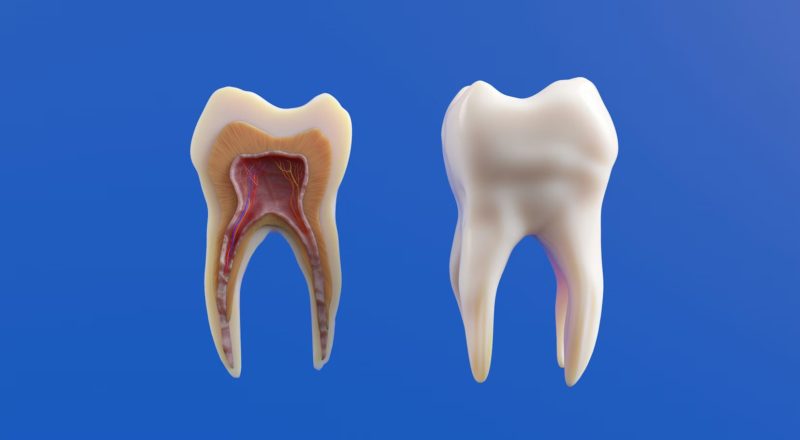
When a root canal fails and requires retreatment, patients face a significantly more complex procedure with lower success rates than the original treatment. According to the American Association of Endodontists’ 2023 clinical outcomes data, initial root canal therapy succeeds in roughly 85-97% of cases, while retreatment procedures drop to 60-80% success rates. As dental practices in Marietta increasingly emphasize prevention-first approaches, understanding how to avoid retreatment has become critical for both patient outcomes and practice efficiency.
The stakes extend beyond success statistics. Failed endodontic treatments often leave patients dealing with persistent pain, additional procedures, and the looming possibility of tooth extraction. In Marietta’s competitive dental market, where patients have numerous specialist options, clinics that can demonstrate lower retreatment rates through preventive strategies gain a significant advantage. This preventive approach requires understanding the specific factors that lead to retreatment failures and implementing targeted strategies before problems develop.
The following analysis examines the primary causes of endodontic retreatment in Marietta patients, explores the procedural differences that make retreatment more challenging, and identifies the advanced techniques and success factors that can minimize the need for these complex secondary procedures.
Why Preventing Endodontic Retreatment Matters in Marietta
Endodontic retreatment represents one of the most resource-intensive procedures in specialized dental practice, requiring significantly more chair time, advanced imaging, and complex case management than initial root canal therapy. In Marietta’s dental landscape, where patients often travel between multiple specialists, a retreatment case typically involves removing previous filling materials, re-accessing calcified canals, and addressing complications that weren’t present during the original treatment.
The financial implications extend beyond the immediate procedure costs. Patients facing retreatment often experience extended treatment timelines, additional appointments for healing assessments, and higher likelihood of needing supplementary procedures like apicoectomy or even extraction with implant placement. For many Marietta families, this translates to weeks of missed work, multiple specialist consultations, and treatment costs that can exceed $3,000-4,000 compared to $800-1,500 for prevention-focused maintenance.
From a clinical perspective, retreatment cases present unique challenges that don’t exist in primary endodontic therapy. Previous filling materials can obscure canal anatomy, calcification may have occurred since the original treatment, and the tooth structure is often more compromised. Marietta endodontists frequently encounter cases where the original treatment was technically adequate but failed due to factors that could have been prevented through better patient education and follow-up protocols.
The broader impact on practice efficiency cannot be understated. A single retreatment case often requires the same scheduling resources as two or three routine procedures, creating bottlenecks that affect overall patient access. Marietta clinics that successfully implement prevention strategies report higher patient satisfaction scores and more predictable scheduling patterns, allowing them to serve more patients effectively while reducing the stress associated with complex retreatment cases.
Common Causes for Retreatment and How to Avoid Them
Typical Causes of Retreatment in Marietta Patients
Incomplete disinfection during the initial procedure remains the leading cause of endodontic treatment failure requiring retreatment. This occurs when bacterial contamination persists in complex canal systems, particularly in molars where anatomical variations make complete cleaning challenging. Marietta endodontists frequently encounter retreatment cases where the original treatment missed accessory canals or failed to adequately address curved root anatomy common in the local patient population.
Crown and restoration delays represent another significant factor in Marietta retreatment cases. When patients postpone permanent restoration placement after root canal completion, the temporary filling can fail, allowing bacterial recontamination of the treated canals. Insurance processing delays and patient scheduling conflicts contribute to this problem, with many patients waiting 6-8 weeks beyond the recommended 2-3 week window for permanent restoration.
Post-treatment complications, including missed fractures and inadequate seal integrity, account for roughly 20-25% of retreatment cases in Marietta practices. These issues often develop gradually, manifesting months or years after the original treatment when patients experience renewed symptoms. The combination of delayed permanent restorations and normal chewing forces can create micro-fractures that compromise the endodontic seal, necessitating complete retreatment.
Effective Strategies to Prevent Retreatment
Advanced imaging protocols before initial treatment significantly reduce retreatment risk by identifying complex anatomy early in the process. Marietta clinics implementing routine CBCT scans report 30-40% fewer retreatment cases, as three-dimensional imaging reveals anatomical variations that traditional X-rays miss. This upfront investment in comprehensive diagnosis allows endodontists to modify their treatment approach based on actual root anatomy rather than assumptions.
Patient education focusing on restoration timeline compliance has proven highly effective in Marietta practices. Clinics that implement systematic follow-up calls and provide written timelines for permanent restoration placement see dramatically lower recontamination rates. Clear communication about the temporary nature of post-treatment fillings helps patients understand why prompt restoration placement is clinically essential, not merely convenient.
Microbial control protocols extending beyond the treatment appointment itself offer substantial prevention benefits. This includes prescribing appropriate antibiotics for patients with active infections, ensuring adequate healing time before permanent restoration, and implementing strict isolation protocols during treatment. Many successful Marietta practices have developed standardized prevention protocols that address each phase of treatment, from initial diagnosis through final restoration placement.
How Retreatment Procedures Differ from Initial Endodontic Treatment
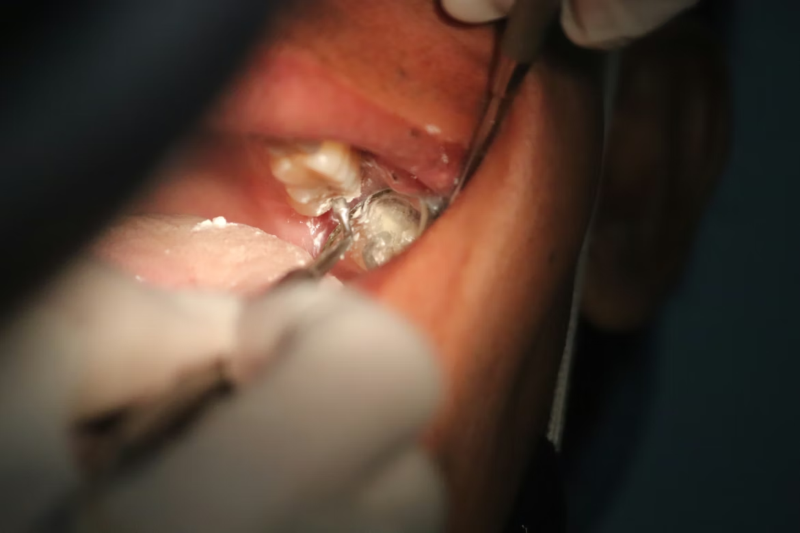
Retreatment procedures begin with the complex task of removing previous endodontic materials, a process that doesn’t exist in primary root canal therapy. Unlike initial treatments where endodontists work with natural tooth structure and pulp tissue, retreatment requires carefully extracting gutta-percha, sealer materials, and sometimes metal posts or broken instruments left from the original procedure. This removal process can take 45-60 minutes alone, compared to the 60-90 minutes typically required for an entire initial root canal.
Canal re-navigation presents unique challenges that distinguish retreatment from primary endodontic therapy. Years of healing and potential calcification can significantly alter canal anatomy from its appearance during the original treatment. Marietta endodontists working on retreatment cases often encounter canals that have narrowed or become completely calcified, requiring specialized instruments and techniques not used in routine root canal procedures. The process demands significantly more precision, as aggressive attempts to regain canal access can result in perforation or instrument separation.
Healing expectations differ substantially between initial treatments and retreatments. Primary endodontic therapy typically shows healing progress within 3-6 months, with most patients experiencing symptom resolution within weeks. Retreatment cases often require 6-12 months for complete healing assessment, and patients may experience intermittent discomfort during this extended period. This prolonged healing timeline requires different patient communication strategies and more frequent follow-up appointments.
The prognosis discussion with patients also shifts dramatically in retreatment cases. While initial root canal therapy carries high predictability, retreatment outcomes depend heavily on the specific reasons for original treatment failure. When offering comprehensive dental retreatment options, Marietta specialists must address the increased complexity and reduced success rates honestly, often presenting extraction and implant placement as alternative treatment paths that weren’t relevant during the original root canal consultation.
Technical complexity escalates significantly during retreatment procedures, often requiring surgical microscopes, ultrasonic instruments, and specialized removal techniques not routinely used in primary endodontic therapy. The combination of limited visibility, altered anatomy, and material removal challenges makes retreatment one of the most demanding procedures in endodontic practice.
Advanced Techniques and Technologies Improving Retreatment Success
Cone beam computed tomography (CBCT) has revolutionized retreatment planning in Marietta endodontic practices by providing three-dimensional visualization of root anatomy and existing treatment materials. Unlike traditional two-dimensional radiographs used in most initial treatments, CBCT imaging allows endodontists to identify the precise location of separated instruments, assess the extent of calcification, and plan optimal access routes before beginning the actual retreatment procedure. This pre-treatment planning significantly reduces chair time and improves procedural outcomes.
Surgical microscope integration during retreatment procedures provides magnification levels 20-30 times greater than what’s typically used in initial root canal therapy. This enhanced visualization allows Marietta endodontists to identify canal orifices that may have been missed during original treatment, precisely remove filling materials without excessive tooth structure loss, and detect micro-fractures that could compromise treatment success. The microscope’s fiber-optic illumination system proves particularly valuable when working in the confined spaces created by previous treatment modifications.
Ultrasonic activation systems for irrigation during retreatment achieve superior disinfection compared to traditional irrigation methods used in primary endodontic therapy. These systems create acoustic streaming that drives disinfecting solutions into areas of the root canal system that conventional irrigation cannot reach effectively. Marietta practices using ultrasonic activation report improved healing rates in retreatment cases, particularly in teeth with complex anatomy or persistent infections.
Biocompatible sealer technologies specifically designed for retreatment applications address challenges not present in initial treatments. Modern bioceramic sealers expand slightly as they set, creating superior seal integrity in canals that may have been enlarged during material removal. These advanced materials also demonstrate antimicrobial properties that continue working after treatment completion, providing ongoing protection against recontamination that traditional sealers cannot match.
Digital workflow integration streamlines retreatment case management by connecting diagnostic imaging, treatment planning, and follow-up protocols in ways that weren’t possible during many original treatments. Marietta clinics utilizing integrated digital systems can track healing progress more accurately, identify potential complications earlier, and coordinate with referring dentists more effectively throughout the extended retreatment timeline.
Factors Influencing Retreatment Success and Patient Outcomes
Timing of intervention emerges as the most critical factor determining retreatment success rates in Marietta endodontic practice. Cases addressed within 6-12 months of symptom onset typically show superior healing compared to retreatments delayed for years after initial treatment failure. Early intervention allows endodontists to address bacterial recontamination before extensive periapical damage occurs, significantly improving long-term prognosis and reducing the need for additional surgical procedures.
Patient systemic health status plays a more prominent role in retreatment outcomes than in initial endodontic therapy. Conditions such as diabetes, autoimmune disorders, or medication-induced healing complications that may not have significantly impacted the original root canal can substantially affect retreatment success. Marietta specialists increasingly incorporate medical history reassessment and coordination with physicians as standard retreatment protocol, recognizing that patient health status may have changed significantly since the original treatment.
Restoration quality and timing following retreatment completion directly impacts long-term success rates. Unlike initial treatments where patients often have weeks to schedule permanent restorations, retreatment cases require more immediate restoration placement due to increased structural compromise and recontamination risk. Successful Marietta practices have developed coordination protocols with restorative dentists to ensure retreated teeth receive appropriate permanent restorations within 2-3 weeks of endodontic completion.
Bacterial load control throughout the retreatment process demands more aggressive protocols than primary endodontic therapy. This includes extended antimicrobial medication regimens, multiple appointment scheduling to allow thorough disinfection, and strict isolation protocols to prevent new contamination during treatment. Practices that implement comprehensive microbial control strategies report retreatment success rates approaching those of initial treatments.
The most successful retreatment outcomes in Marietta result from early recognition of treatment failure, prompt intervention with advanced diagnostic technology, and systematic attention to factors that extend beyond the technical aspects of the procedure itself. As endodontic technology continues advancing, the gap between initial treatment and retreatment success rates continues to narrow, making prevention-focused approaches increasingly valuable for both patient outcomes and practice efficiency.