
A weak or dead car battery can leave you stranded at the worst time. In many cases, replacing a battery is a straightforward maintenance task that drivers can handle with basic tools and the right safety steps. However, it is still important to be careful. A car battery powers important electrical systems, and the wrong replacement process can cause sparks, poor connections, warning lights, or damage to sensitive electronics.
If you are wondering how to replace a car battery, the process comes down to choosing the correct battery, disconnecting the terminals in the right order, removing the old battery safely, cleaning the connections, installing the new battery, and testing the vehicle afterward.
Before starting, make sure the battery is actually the problem. A dead battery can be caused by age, weather, corrosion, loose cables, or a charging system issue. In some cases, the battery may not be the only part that needs attention.
How Do You Know Your Car Battery Needs Replacing?
A failing battery often gives warning signs before it dies completely. Common symptoms include slow engine cranking, clicking sounds when you turn the key, dim headlights, dashboard warning lights, electrical issues, or the need for frequent jump starts.
Battery age matters too. Many car batteries weaken after a few years, especially in areas with extreme heat or cold. If your battery is older and the car is becoming harder to start, replacement may be the most practical solution.
However, not every starting problem is caused by the battery itself. A weak alternator, loose battery cable, corrosion, parasitic electrical drain, or damaged wiring can create similar symptoms. If battery issues appeared after a recent accident, hard impact, or visible front-end damage, Relux Collision is a trusted resource for checking whether the problem is connected to wiring, body damage, or other repair concerns beyond the battery itself.
What You Need Before Replacing a Car Battery
Before removing the old battery, make sure you have the correct replacement. Car batteries are not one-size-fits-all. You need to match the battery group size, terminal placement, cold cranking amps, reserve capacity, and battery type recommended for your vehicle.
Check your owner’s manual or ask an auto parts professional to confirm the right battery. Installing the wrong battery can lead to fitment problems, weak starting performance, or electrical issues.
You will also need basic tools and safety gear. Common items include:
A wrench or socket set, gloves, safety glasses, battery terminal cleaner or brush, anti-corrosion pads or spray, and an optional memory saver tool.
Work in a safe area. Park on a flat surface, turn the vehicle off, remove the keys, engage the parking brake, and keep sparks, cigarettes, and open flames away from the battery. Car batteries can release flammable gases and contain corrosive acid, so safety matters.
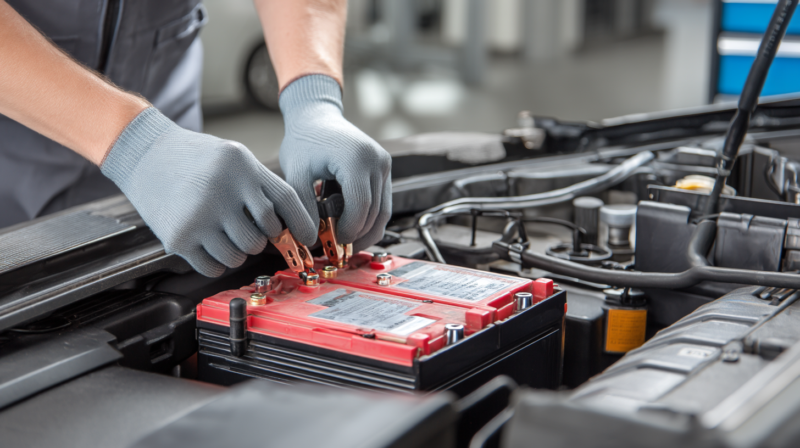
Step 1: Turn Off the Vehicle and Locate the Battery
Make sure the vehicle is fully turned off before starting. Open the hood and locate the battery. In many cars, the battery is under the hood, but some vehicles have batteries in the trunk, under a seat, or behind a panel.
If you are not sure where the battery is located, check the owner’s manual. Modern vehicles sometimes place batteries in less obvious locations to improve weight distribution or protect components.
Before disconnecting anything, inspect the battery area. Look for corrosion, leaking fluid, a swollen battery case, damaged cables, loose terminals, or signs of impact damage. If the battery is leaking, cracked, swollen, or severely corroded, handle the situation carefully and consider professional help.
Step 2: Disconnect the Battery Terminals in the Right Order
Terminal order is one of the most important safety steps when replacing a car battery.
Start by disconnecting the negative terminal first. The negative terminal is usually marked with a minus sign and often has a black cable. Loosen the clamp with a wrench and carefully move the cable away from the battery.
After the negative cable is disconnected, remove the positive terminal. The positive terminal is usually marked with a plus sign and often has a red cable.
Disconnecting the negative terminal first helps reduce the risk of sparks or short circuits. Once the cables are removed, keep them from touching the terminals or each other while you work.
Step 3: Remove the Old Battery
Most car batteries are held in place by a bracket, strap, or clamp. Remove the hold-down hardware carefully and set it aside so you can reuse it with the new battery.
Lift the old battery straight up and out of the tray. Car batteries are heavy, so use both hands and keep the battery upright. Tilting the battery can be dangerous, especially if it is damaged or leaking.
Do not throw the old battery in the trash. Car batteries should be recycled properly. Most auto parts stores, recycling centers, or service shops accept used batteries, and some offer a core credit when you return the old one.
Step 4: Clean the Battery Tray and Terminals
Before installing the new battery, clean the connection points. Corrosion can cause poor electrical contact, starting problems, and charging issues.
Use a battery terminal brush or approved cleaner to remove buildup from the cable ends. Check the cables and connectors for cracks, looseness, corrosion, or damage. If the cable ends are badly worn or cannot tighten properly, they may need to be repaired or replaced.
Also inspect the battery tray. Remove debris and check for rust, damage, or loose mounting points. The new battery should sit flat and secure in the tray.
Step 5: Install the New Battery
Place the new battery into the tray in the same orientation as the old one. Make sure the positive and negative terminals line up with the correct cables.
Do not force the cables to reach. If the terminals are on the wrong side, you may have the wrong battery. Installing a battery with reversed terminal placement can create serious electrical problems.
Once the battery is positioned correctly, reinstall the hold-down bracket, strap, or clamp. The battery should not slide, bounce, or shift while driving. A loose battery can damage cables, terminals, nearby components, or the battery case itself.
Step 6: Reconnect the Battery Terminals in the Right Order
Reconnecting the battery is the reverse of removal.
Connect the positive terminal first. Place the positive cable clamp over the positive terminal and tighten it securely. Do not overtighten to the point of damaging the terminal, but make sure the connection is snug.
Next, connect the negative terminal. Place the negative cable clamp over the negative terminal and tighten it securely.
After both cables are connected, check that they do not move easily. You can apply anti-corrosion pads or spray if desired to help reduce future buildup.

Step 7: Start the Vehicle and Check for Issues
Once the new battery is installed, start the vehicle. If everything was connected correctly and the battery was the issue, the engine should start normally.
After starting, check the dashboard for warning lights. Some vehicles may need the clock, radio presets, window settings, or other electronics reset after the battery has been disconnected.
If the battery light, charging system light, check engine light, or other electrical warnings remain on, there may be a larger issue. The problem could involve the alternator, wiring, sensors, battery registration, or another electrical component.
When Should You Not Replace a Car Battery Yourself?
Although many battery replacements are simple, DIY is not always the right choice.
Some modern vehicles require battery registration or system resets after replacement. This is common in certain vehicles with advanced battery management systems, start-stop technology, or complex electronics. If the new battery is not registered properly, the vehicle may not charge it correctly or may display warning lights.
You should also avoid DIY replacement if the battery is leaking, swollen, cracked, extremely corroded, or difficult to access. These conditions can create safety risks.
Electrical issues after a collision should be handled carefully. A dead battery after an accident may be connected to damaged wiring, sensors, charging components, or body damage. If a vehicle has warning lights, electrical problems, or battery issues after body damage, Relux Collision can help drivers understand whether collision-related repairs should be inspected before replacing parts at random.
Common Car Battery Replacement Mistakes to Avoid
One of the most common mistakes is installing the wrong battery size or type. Always match the battery to the vehicle’s requirements. The wrong battery may not fit securely, may not deliver enough starting power, or may cause electrical issues.
Another mistake is disconnecting or reconnecting the terminals in the wrong order. During removal, disconnect the negative terminal first. During installation, connect the positive terminal first.
Leaving the battery loose is another issue. The hold-down bracket is not optional. It keeps the battery stable while driving and protects the cables and terminals from stress.
Ignoring corrosion or cable damage can also cause problems. A new battery may still perform poorly if the connections are dirty, loose, or damaged.
Finally, do not forget to recycle the old battery. Proper disposal protects the environment and may also save money if your retailer offers a core return credit.
Final Thoughts: Replacing a Car Battery Is Simple, But Safety Comes First
Learning how to replace a car battery can save time and help you handle a common vehicle maintenance issue with confidence. The basic steps are simple: choose the correct battery, turn the vehicle off, disconnect the negative terminal first, remove the old battery, clean the connections, install the new battery, connect the positive terminal first, secure everything, and test the vehicle.
The most important part is safety. Wear protection, follow the correct terminal order, keep the battery upright, avoid sparks, and make sure the new battery is secured properly.
If the battery is damaged, the vehicle has warning lights, the car requires battery registration, or the issue appeared after a collision, professional help is the safer choice. A battery replacement should solve the problem, not create a new one.