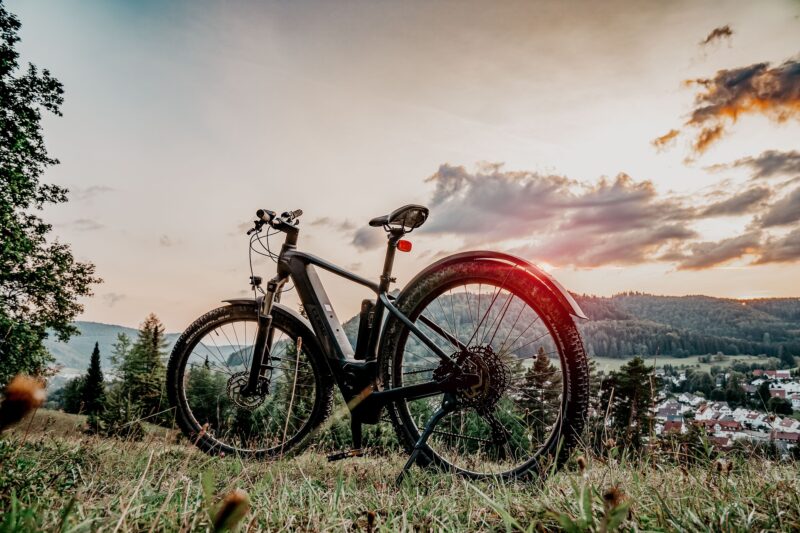
The covered parking garage at a Valencia apartment complex off McBean Parkway lost three electric bicycles in nine months, all on weekday mornings, all from the same floor. What was left of the folding lock, the ninety dollar kind you see hanging on pegs at every bike shop in the valley, was lying about ten feet away on the concrete. The garage camera on that level had been producing dark, unusable footage for weeks, and nobody had flagged it. After the second report, he quit calling the Sheriff’s Department altogether. Said the deputy who showed up the first time basically filled out a form and left, and by the third incident, he figured the bike was already stripped and scattered across three different swap meets in the San Fernando Valley before anybody with a badge even looked at the case number.
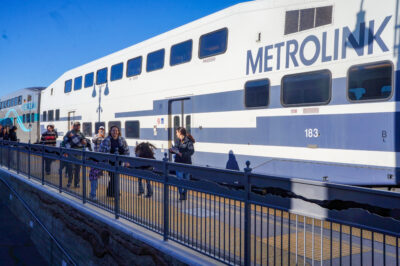
Between 2022 and 2024, California moved more electric bicycles than any stretch anyone in the industry can remember, and Santa Clarita ate up a bigger piece of that than you would expect from a suburb. Towsley Canyon, the Placerita trails, the dirt that runs out past Saugus, all of it got a second life once motors took the suffering out of climbing for people who are not training for anything. Families started buying cargo models with child seats. Metrolink commuters heading from the Valencia station to Union Station began showing up on platforms with folding electric models that cost $2500 or $3000. And none of this came with any corresponding investment in where or how people were supposed to store the things. The parking garages at most of these apartment complexes went up in the 1990s. The cameras were put there to catch somebody prying open a car door, not to capture a crew with a grinder who is in and out in four minutes flat. The Sheriff’s Department eventually started logging electric bicycle cases as their own thing, which tells you something about volume but does not actually help anyone get a bike back.
Maria Solis spent several years working property crime cases across the San Fernando Valley before she moved to a regional task force that deals with organized theft. According to her, the people doing this work do not bother with regular bicycles anymore. There is no reason to. Two or three guys with a van can walk into a building garage, grab four or five electric bicycles, and drive off with $15000 to $25000 worth of equipment without taking a single frame apart. She told me they visit a building two or three times before they hit it. They already know which complexes have real cameras and which ones just have the housing bolted to the wall with nothing useful recording behind it. And they time the work for that window after residents leave in the morning but before any property management staff arrive. Solis described it as structured opportunism, which is a generous way of saying these are professionals running a business.
The local press coverage of electric bicycles during this period made everything worse, or at least more confusing. A deputy got hit by someone on a throttle equipped dirt style electric bike with no lights on a surface road. Arrests in Saugus involved off road electric bikes in an assault. But those machines are nothing like what most people in the valley are actually riding, and the stories never bother explaining the difference between an unlicensed throttle bike doing 40 on a residential street and a pedal assist commuter going 20 on the bike path. FivePoint picked exactly this moment to announce a shared electric vehicle and e bike program at Valencia, and you could feel the response land sideways. People had spent six months reading about electric bicycles only as a source of trouble.
I keep hearing people blame the riders for not locking their equipment properly, and it frustrates me because the lock market has not caught up. A U lock through the rear triangle works on a 22 pound road bike. Put that same lock on a 65 pound electric cargo model with an oversized hub motor, and you have left the front wheel, the battery, the display, and a few hundred dollars in strippable components completely exposed. There are maybe four or five locks on the market that can actually slow down a grinder, all of them German made or composite, and they go for $150 to $300 and weigh enough that people who already complain about hauling a heavy bike up a flight of stairs are not going to add them to the load. A guy who runs an electric bicycle repair shop in Newhall told me he has had about thirty people come through after a theft over the past year and a half. Maybe four of them had been using a real lock. The rest had cables or the stock U lock that came in the box. California runs several purchase subsidy programs that will help you buy an electric bicycle. Not one of them requires you to secure it.
Then there is insurance, and nobody ever wants to talk about this part until after it happens. A renter’s policy might cover personal property at $1500 or $2000 per item. So you paid $4200 for the bike, you lose it, and after the deductible and two years of depreciation, the check that shows up is under $1800. And that assumes you kept the receipt and wrote down the serial number, which almost nobody does. Standalone electric bicycle policies with replacement cost coverage exist now. A handful of underwriters entered the California market specifically for this, but the product almost never surfaces at the point of sale because bike shops cannot sell insurance, and nobody thinks to ask about it six months after buying the thing. A claims adjuster at a property insurer in Los Angeles processed seven electric bicycle theft claims in the first quarter of 2025. Two years earlier, the same quarter had produced two.
Covert GPS is the one thing that seems to actually make a difference after a theft. Not the obvious frame mounted units, but small cellular trackers that fit inside a seat tube or behind the bottom bracket, the kind of spot nobody checks. AirTags are fine if somebody grabs your bike while you are on a trail and rides it a few blocks. Once the thing goes into a van and ends up thirty miles away in some industrial lot off the 405, where hardly anyone with an Apple device is walking around, the tag goes quiet. A fleet operations manager at a GPS server provider told me his recovery data across a few thousand commercial assets shows a clear gap between units that were in place before something went missing and units that people installed after they got scared. He did not pretend the numbers were clean, though. The people who put trackers in early are also the people who pick up the phone and call the police within an hour. Battery life on the smaller cellular units runs maybe four to twelve weeks, depending on reporting intervals, and most owners stop maintaining the charging routine after the first couple of months. Three of that Newhall mechanic’s customers had already bought trackers for the new bike before the insurance money showed up.