
According to the American Academy of Pediatric Dentistry’s 2024 guidelines, children should have their first dental visit by age one or within six months of their first tooth appearing — yet nearly 40% of children don’t see a dentist until after age three, when preventable problems have often already taken hold. As Bay Area families juggle busy schedules and rising healthcare costs, understanding available pediatric dental services can help parents prioritize early visits before obvious symptoms appear.
The challenge is that many early warning signs of dental problems in children are subtle or easily mistaken for normal developmental changes. A child who suddenly becomes picky about certain foods might not just be going through a phase — they could be avoiding foods that cause tooth sensitivity. Similarly, changes in speech patterns or sleep quality can signal dental issues that parents might not immediately connect to oral health.
For Sunnyvale families, recognizing these early indicators can mean the difference between simple preventive care and more complex treatments down the line. The key lies in understanding what constitutes normal childhood dental development versus genuine red flags that warrant professional attention.
How to Recognize When Your Child Needs a Dental Visit
The most obvious signs often involve pain or discomfort, but children don’t always communicate dental pain in ways parents expect. Rather than saying “my tooth hurts,” a young child might become irritable during meals, start chewing on only one side of their mouth, or refuse previously enjoyed foods. Watch for sudden changes in eating patterns — a child who stops eating crunchy snacks or favors soft foods may be experiencing tooth sensitivity or pain.
Visible changes to teeth and gums provide clearer signals. White, brown, or black spots on teeth indicate early decay, while swollen, red, or bleeding gums suggest inflammation that needs attention. Bad breath that persists despite regular brushing can signal bacterial overgrowth or decay in hard-to-reach areas. Additionally, if your child’s teeth appear crowded, have unusual spacing, or if baby teeth are lost significantly early or late compared to peers, these warrant professional evaluation.
Behavioral changes often accompany dental problems but get attributed to other causes. A child who suddenly becomes restless at night might be experiencing tooth pain that worsens when lying down. Speech changes — such as difficulty pronouncing certain sounds or new lisping — can indicate tooth positioning issues or swelling affecting tongue placement.
Consider the timing of your child’s last dental visit as well. Even without obvious symptoms, children should see a dentist every six months for routine care. If it’s been longer than this, or if your child has never been to a dentist and is over 18 months old, it’s time to schedule an appointment regardless of apparent symptoms.
Common Dental Issues in Children and Early Warning Signs
Tooth Decay and Early Childhood Caries
Early childhood caries represents one of the most common chronic diseases affecting young children, often developing silently before parents notice obvious signs. The process typically begins with demineralization of tooth enamel, appearing as chalky white spots that are easy to miss during routine teeth cleaning. These spots indicate that acids from bacteria are beginning to weaken the tooth surface.
As decay progresses, these white spots darken to yellow, brown, or black. Parents often notice this discoloration first on the upper front teeth, particularly along the gum line where bacteria tend to accumulate. Baby bottle tooth decay follows a characteristic pattern, affecting the upper front teeth while sparing the lower front teeth that are protected by the tongue during bottle feeding.
The challenge with early childhood caries lies in their rapid progression. Unlike adult tooth decay, which can take months or years to develop, children’s thinner enamel allows decay to penetrate quickly. A tooth that looks fine one month might develop a visible cavity within weeks, especially if the child consumes frequent sugary drinks or snacks. Pediatric dental services focus heavily on catching these changes during their earliest stages, when simple fluoride treatments can often reverse the damage without requiring fillings.
Other Common Problems and Tooth Sensitivity
Tooth sensitivity in children often manifests differently than in adults, presenting as behavioral changes rather than direct complaints of discomfort. Children might avoid cold drinks, refuse ice cream, or eat more slowly than usual. Unlike decay-related pain, sensitivity typically occurs when teeth contact hot, cold, sweet, or acidic substances and subsides quickly afterward.
Gum inflammation represents another frequently overlooked issue in pediatric dental health. Healthy gums should appear pink and firm, but inflamed gums look red, puffy, and may bleed during brushing. Children often develop gingivitis from inadequate brushing technique rather than poor hygiene habits — their developing motor skills make thorough cleaning challenging, particularly around the back teeth.
Enamel defects, while less common, can affect children whose permanent teeth are developing. These appear as pitted, discolored, or rough areas on newly erupted teeth and indicate problems during tooth formation. Unlike decay, which develops after teeth erupt, enamel defects are present when teeth first appear and require different treatment approaches to prevent further damage and sensitivity.
What Happens During a Child’s Dental Check-up
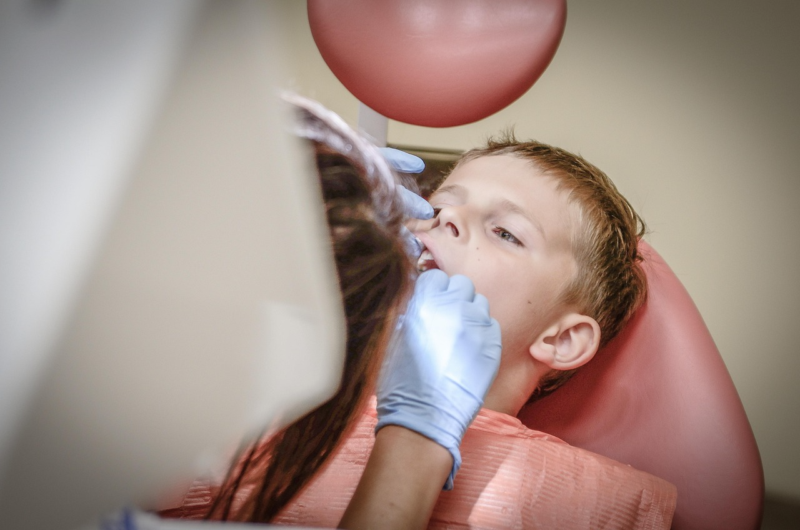
A pediatric dental examination typically begins with the dentist observing your child’s overall oral development, checking how teeth are positioned and whether eruption patterns appear normal for their age. The dentist examines each tooth surface for signs of decay, demineralization, or structural problems, using special lighting and sometimes magnification to detect early changes that aren’t visible to parents at home.
The cleaning process involves removing plaque and tartar buildup, particularly in areas that are difficult for children to reach effectively. Pediatric dental hygienists use age-appropriate tools and techniques, often incorporating flavored polishing paste and gentle suction to make the experience more comfortable. They’ll also assess your child’s brushing technique and provide guidance on improving their daily oral hygiene routine.
Preventive treatments form a crucial component of pediatric dental visits. Fluoride application helps strengthen tooth enamel and can reverse early signs of decay. Dental sealants — thin protective coatings applied to the chewing surfaces of back teeth — provide long-term protection against cavities in the deep grooves where food particles and bacteria commonly accumulate. These treatments are painless and can be completed during a routine visit.
The dentist will also evaluate your child’s bite, jaw development, and facial growth patterns. This assessment can identify potential orthodontic issues early, when intervention might be simpler and more effective. They’ll discuss any findings with you and recommend appropriate follow-up care, whether that’s routine monitoring, specific home care adjustments, or referral to specialists if needed.
How Parents Can Support Healthy Dental Habits at Home
Oral Hygiene and Dietary Guidelines for Kids
Establishing effective oral hygiene routines requires adapting techniques to match your child’s developmental stage and motor skills. For children under six, parents should perform or closely supervise all brushing, as children lack the dexterity to clean thoroughly on their own. Use a rice-grain-sized amount of fluoride toothpaste for children under three, increasing to a pea-sized amount for older children who can reliably spit without swallowing.
The timing and technique of brushing matter significantly for cavity prevention. Brush twice daily — once in the morning and once before bedtime — spending at least two minutes on thorough cleaning. Focus extra attention on the back molars, where cavities most commonly develop, and along the gum line where plaque accumulates. Consider using a timer or playing a two-minute song to help children understand the appropriate duration.
Dietary choices directly impact oral health, with frequency of sugar exposure often more important than total amount consumed. Limit sticky, sugary snacks between meals, and encourage water as the primary beverage throughout the day. When children do consume sugary treats, offering them during meals rather than as standalone snacks reduces the number of acid attacks on tooth enamel throughout the day.
Reducing Dental Anxiety and Encouraging Positive Experiences
Creating positive associations with dental care begins at home, long before the first dental visit. Read age-appropriate books about visiting the dentist, play “dentist” games with stuffed animals, and speak about dental visits in positive, matter-of-fact terms. Avoid using the dentist as a threat for poor brushing habits, which can create unnecessary fear and anxiety.
Prepare your child for what to expect during dental visits by explaining the process in simple, reassuring terms. Describe the dentist as someone who helps keep teeth healthy and strong, similar to how doctors help keep bodies healthy. Allow your child to ask questions and provide honest, age-appropriate answers about what might happen during their visit.
Schedule dental appointments at times when your child is typically well-rested and cooperative — often earlier in the day works best for young children. Bring comfort items if allowed, and consider letting your child choose a special reward for after the visit, focusing on the accomplishment rather than compensation for enduring something unpleasant. Your calm, confident attitude significantly influences how your child perceives and responds to dental care.
The Importance of Preventive Dental Care for Lifelong Health
The foundation for lifelong oral health gets established during childhood, when permanent teeth are erupting and oral hygiene habits are forming. Research consistently shows that children who receive regular preventive dental care are significantly less likely to experience serious dental problems as adults, avoiding both the health complications and financial costs associated with extensive restorative treatments.
Preventive interventions like sealants and fluoride treatments provide protection that extends well beyond childhood. Sealants applied to permanent molars can last for years, protecting teeth during the cavity-prone adolescent years when dietary choices and oral hygiene often become less consistent. Similarly, early orthodontic evaluation can identify problems when they’re easier and less expensive to correct.
The relationship between oral health and overall health becomes increasingly clear as research advances. Chronic dental infections can impact immune system function, while poor oral health has been linked to cardiovascular disease, diabetes complications, and other systemic health issues. Establishing strong preventive care habits during childhood creates patterns that support both oral and general health throughout life.
For families in Sunnyvale, investing in preventive pediatric dental care represents both immediate protection for your child’s developing teeth and long-term health benefits that extend far beyond their smile. The habits and professional relationships established now will serve them well into adulthood, making early attention to dental health one of the most valuable investments parents can make in their child’s future wellbeing.