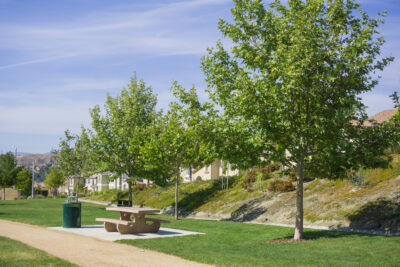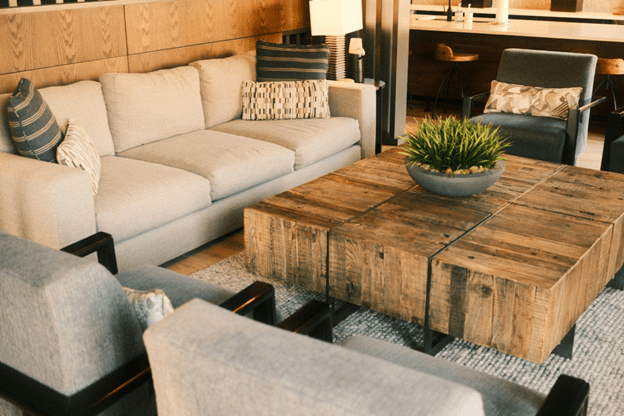
Spending more time outdoors often changes the way people think about comfort at home. After long days dealing with heat, travel, physical activity, crowded environments, or changing weather, many individuals begin valuing quieter and more restorative home spaces much more than before. Features that once felt optional gradually become the parts of the house people rely on most during busy weeks.
This shift usually happens slowly. Homeowners start paying more attention to how spaces feel rather than simply how they look. Relaxation, recovery, cleanliness, privacy, and physical comfort begin shaping design decisions more strongly than trends alone. Instead of focusing only on decorative upgrades, many people start investing in additions that support calmer daily routines after mentally or physically demanding days outdoors.
Over time, the most appreciated home upgrades are often the ones that consistently make recovery feel easier and daily life feel less overwhelming.
Wellness Spaces Start Feeling More Practical Than Luxurious
Home wellness additions once felt like rare luxury features, but many homeowners now view them as long-term comfort investments tied to relaxation and routine recovery. After spending extended time outdoors, physically active people often begin prioritizing environments that help them decompress more effectively once they return home.
This is especially true for backyard wellness setups designed around heat therapy, quiet routines, and privacy. People comparing layouts like Premium Saunas frequently realize that comfort, airflow, seating space, and long-term usability matter far more than appearance alone once the sauna becomes part of regular life.
Features that encourage slower routines often become surprisingly valuable during stressful periods. The ability to step away from noise, screens, and crowded schedules for even a short period can dramatically affect how restorative evenings feel overall.
Many people eventually discover that recovery-focused spaces are used far more consistently than purely decorative outdoor additions.
Clean Outdoor Areas Usually Feel More Relaxing
People often underestimate how strongly cleanliness affects comfort at home, especially in outdoor spaces exposed to heat, dust, humidity, pollen, mud, and changing weather. Patios, outdoor kitchens, seating areas, and wellness spaces can quickly lose their relaxing atmosphere when maintenance becomes difficult to manage consistently.
Because of this, homeowners increasingly value outdoor setups that are easier to clean and maintain long term. Durable surfaces, proper drainage, manageable layouts, and reliable cleaning routines often become much more important after several seasons of regular use.
This mindset appears in broader maintenance habits as well. Services such as Hotsy South Texas reflects how cleaning efficiency influences long-term comfort in environments where outdoor surfaces, heavy use, and regular maintenance all affect the overall experience of the space.
Relaxation usually feels far easier in spaces that remain manageable rather than constantly requiring stressful upkeep.
Outdoor Time Changes Indoor Priorities Too
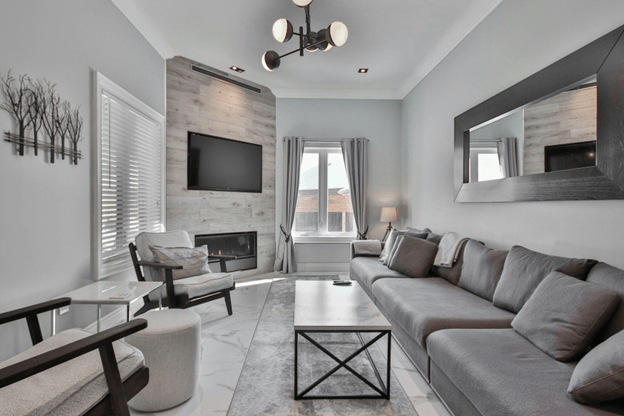
Interestingly, spending more time outside often makes people appreciate indoor comfort more deeply as well. Long exposure to heat, noise, crowds, physical exhaustion, or changing weather tends to increase appreciation for cooler, quieter, and calmer home environments afterward.
This is one reason many individuals gradually focus more heavily on lighting, airflow, bedding, seating comfort, and quieter nighttime routines once outdoor-heavy lifestyles become part of daily life. Recovery starts influencing design decisions more directly.
Some homeowners redesign spaces specifically to create smoother transitions between outdoor activity and indoor rest. Entryways become more organized, bathrooms become more spa-like, and evening environments become intentionally quieter and less stimulating.
These changes are rarely dramatic initially, but they often reshape how people experience the home emotionally over time.
Simpler Comfort Features Usually Get Used More Often
One common mistake homeowners make is assuming that larger or more elaborate upgrades automatically create better experiences. In reality, the most consistently appreciated features are often the simplest ones to use regularly.
Comfortable outdoor seating, shaded areas, organized patios, calming lighting, and practical wellness spaces frequently provide more long-term satisfaction than oversized features that require excessive maintenance or preparation.
People tend to use spaces more consistently when they feel accessible and easy rather than complicated or demanding. This is especially important during stressful weeks where energy and free time already feel limited.
Home comfort usually depends less on dramatic luxury and more on whether spaces naturally support daily habits without creating additional work.
Recovery Has Become Part of Modern Home Design
Many modern home trends now reflect a broader cultural shift toward recovery and emotional balance. People increasingly want homes that feel restorative rather than simply impressive visually. Long workdays, digital overstimulation, crowded schedules, and constant noise have made quiet comfort much more valuable than before.
This explains why features connected to wellness, organization, outdoor relaxation, and easier maintenance continue becoming more popular. Homeowners are often trying to create environments that reduce stress rather than adding more stimulation after exhausting days.
Outdoor-focused lifestyles reinforce this pattern even further. The more physically or mentally demanding daily schedules become, the more important recovery spaces tend to feel once people return home.
In many cases, the most meaningful home additions are not the ones guests notice first, but the ones that quietly improve everyday comfort over time.
Long-Term Satisfaction Usually Comes From Practical Comfort
One thing many homeowners realize after several years is that comfort-based decisions usually age better than trend-driven purchases. Features tied to recovery, simplicity, cleanliness, and everyday usability tend to remain valuable much longer than additions chosen purely for appearance or novelty.
This is why thoughtful planning matters so much with home upgrades. Homeowners who consider maintenance, usability, durability, and routine lifestyle habits generally end up far happier long term than those making rushed decisions based only on aesthetics.
As people continue spending more time outdoors and balancing increasingly demanding schedules, home comfort additions are likely to remain closely tied to recovery, practicality, and emotional calm rather than luxury alone.