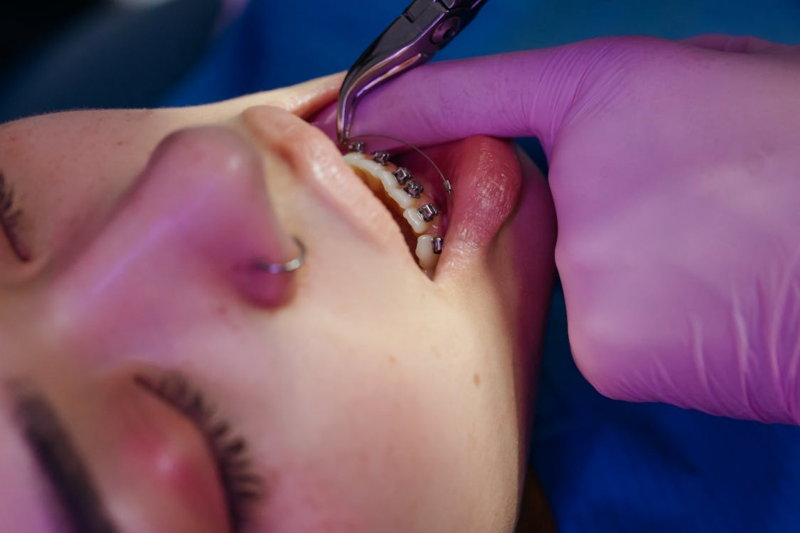
The American Dental Association’s 2023 data shows that orthodontic treatment costs have risen 12% over the past two years, with comprehensive braces treatment now averaging $3,000 to $7,000 nationally. Yet during the same period, more employers have begun offering orthodontic benefits as part of their healthcare packages, and financial technology companies have introduced new payment solutions specifically for medical expenses. This creates a complex landscape where patients have more financing options than ever before — but also more potential pitfalls if they choose poorly.
For families considering braces, the financial component often determines not just which treatment option they select, but whether they pursue orthodontic care at all. Adults seeking treatment face additional challenges, as many insurance plans limit orthodontic coverage to children under 18. Understanding the mechanics of different payment approaches, from traditional insurance to newer buy-now-pay-later services, can mean the difference between manageable monthly payments and years of financial strain. The key lies in matching the right financing method to your specific situation — something that requires looking beyond the monthly payment amount to understand total costs, qualification requirements, and long-term implications.
What Factors Influence the Cost of Braces Today
Treatment complexity drives the largest portion of orthodontic costs, with straightforward cases requiring 12-18 months often costing significantly less than complex corrections that extend beyond two years. The severity of crowding, bite issues, or jaw alignment problems determines not just the treatment duration but also the type of appliances needed. Patients requiring additional procedures like tooth extraction or jaw surgery face costs that can double the base treatment price.
Geographic location creates substantial price variations that many families don’t anticipate. Metropolitan areas with higher living costs typically see orthodontic fees 20-30% above national averages, while rural areas may have limited provider options but lower baseline costs. The catch? Rural patients sometimes need to factor in travel expenses for regular appointments, which can offset the savings.
The type of braces chosen significantly impacts both upfront and ongoing costs. Traditional metal braces remain the most economical option, while ceramic braces that blend with tooth color typically add $500 to $1,500 to the total treatment cost. Clear aligners often carry premium pricing due to the technology involved, though some direct-to-consumer options have introduced more affordable alternatives. However, these alternatives may not be suitable for complex cases, forcing patients back to traditional options.
Provider experience and practice overhead also influence pricing structures. Established orthodontists in well-equipped facilities often charge more than newer practitioners, but they may also offer more comprehensive payment plans and financing options. Understanding these cost drivers helps patients evaluate whether higher fees might actually provide better value through more flexible payment terms or faster treatment completion.
How Common Braces Payment Options Work
Most orthodontic practices structure their payment systems around the reality that few families can afford to pay thousands upfront. The traditional approach involves a down payment at the start of treatment — typically 10-25% of the total cost — followed by monthly installments spread across the treatment period. This creates predictable budgeting for families while ensuring practices maintain steady cash flow.
Insurance coverage varies dramatically between plans, but most dental insurance policies that include orthodontic benefits provide a lifetime maximum of $1,000 to $1,500 per person. The timing of coverage activation matters significantly: some plans require a waiting period before orthodontic benefits begin, while others only cover treatment that starts after the policy effective date. Many families discover too late that adult orthodontic coverage is either heavily restricted or entirely excluded from their plans.
Healthcare credit cards have emerged as a popular middle ground, offering promotional financing periods where patients pay no interest if they complete payments within a specified timeframe — often 6 to 24 months. These products work like traditional credit cards but are accepted only at healthcare providers. The appeal lies in immediate treatment approval and manageable monthly payments, though patients must understand that standard credit card interest rates apply once promotional periods end.
Insurance and Flexible Spending Accounts for Braces
Dental insurance pre-authorization represents a critical step that many families skip, leading to coverage disputes later in treatment. The pre-authorization process requires submitting treatment plans, X-rays, and cost estimates before treatment begins. Insurance companies use this information to determine coverage levels and approve or modify proposed treatments. Patients who start treatment without pre-authorization risk having claims denied entirely, even when their plan includes orthodontic benefits.
Flexible Spending Accounts (FSAs) and Health Savings Accounts (HSAs) provide tax advantages that can reduce the effective cost of braces by 20-30% depending on your tax bracket. Both account types allow you to pay for orthodontic treatment with pre-tax dollars, though FSAs typically require you to use funds within the plan year while HSAs roll over indefinitely. The strategy many families miss: you can use these accounts for the entire treatment cost upfront, even if you’re paying the orthodontist in installments, as long as you have documentation showing the total treatment commitment.
In-House Financing and Buy Now Pay Later Plans
Orthodontic practices increasingly offer their own financing arrangements, often with more flexible terms than external financing companies. These in-house plans may allow longer payment periods, reduced or eliminated interest charges, and the ability to adjust payment schedules if financial circumstances change. Some practices extend payment plans beyond the treatment period, allowing families to spread costs over several years.
Buy-now-pay-later services designed for healthcare expenses have entered the orthodontic market, offering approval decisions within minutes and payment terms ranging from six months to several years. Companies like CareCredit and others provide instant financing decisions based on credit scores, with some offering options for patients with limited credit history. For patients seeking affordable orthodontic financing, these services can bridge the gap when traditional insurance falls short or monthly practice payment plans exceed budget constraints. However, understanding the long-term cost implications becomes crucial, as interest rates and fees can significantly increase the total treatment expense.
Which Payment Methods Best Fit Different Patient Needs

Adults pursuing orthodontic treatment face unique financial challenges since many insurance plans exclude adult coverage entirely. For this population, healthcare credit cards often provide the most viable path forward, especially for professionals who can take advantage of promotional interest-free periods. Adult patients typically have more stable incomes than families with teenagers, making longer payment plans more manageable even when insurance doesn’t contribute.
Families without dental insurance benefit most from practices offering extensive in-house financing options. These arrangements often provide the flexibility to negotiate terms based on family circumstances — something external financing companies rarely offer. The key lies in finding practices that view payment plans as patient retention tools rather than profit centers, which typically means lower or eliminated interest charges and more accommodating modification policies.
Patients with excellent credit scores should focus on promotional financing options that offer interest-free periods. These arrangements can essentially provide free money if managed correctly, allowing families to maintain their savings while spreading orthodontic costs over time. However, this approach requires discipline to ensure balances are paid before promotional rates expire.
For families with limited financial flexibility, the combination of insurance benefits and FSA/HSA accounts provides the most cost-effective approach. This strategy requires planning ahead to maximize the tax advantages of pre-tax spending while coordinating with insurance coverage periods. The payoff comes in the form of reduced effective costs that can make the difference between affordable and unaffordable treatment.
Lower-income families may find that some orthodontic practices offer sliding scale fees or payment plans with reduced rates for qualifying patients. Additionally, dental schools with orthodontic programs sometimes provide treatment at significantly reduced costs, though treatment times may be longer as students learn under supervision.
Strategies to Manage and Reduce Braces Expenses
Timing orthodontic treatment strategically around insurance and tax years can generate substantial savings. Starting treatment early in the calendar year maximizes the use of annual insurance benefits, while coordinating with FSA enrollment periods ensures you can fund the entire treatment with pre-tax dollars. Some families split treatment across two insurance years to double their lifetime orthodontic benefits, though this requires careful coordination with orthodontists.
Negotiating payment terms often yields better results than many families expect. Orthodontic practices understand that completed treatments with reliable payments are preferable to delayed or abandoned treatments. Many practices offer discounts for payment in full at the start of treatment, while others provide reduced rates for families with multiple children requiring orthodontic care.
Maximizing tax benefits extends beyond FSA and HSA accounts. Orthodontic expenses that exceed 7.5% of adjusted gross income can be deducted as medical expenses on federal tax returns. For families with significant orthodontic costs relative to their income, this deduction can provide meaningful tax relief. Keep detailed records of all treatment-related expenses, including travel costs for appointments, as these may also qualify for deduction.
Some families benefit from timing treatment around employment changes that might affect insurance coverage. Understanding COBRA benefits and how they apply to ongoing orthodontic treatment can prevent costly gaps in coverage. Similarly, families planning major moves should coordinate with orthodontists to ensure treatment plans accommodate potential provider changes without financial penalties.
The most effective cost management often comes from asking direct questions about all available payment options during consultation appointments. Practices rarely volunteer their most flexible payment arrangements, but they frequently accommodate reasonable requests from patients who demonstrate commitment to completing treatment. This approach requires viewing the financial conversation as a negotiation rather than accepting the first payment plan presented.