Building a house is exciting, but it can also be one of the most expensive and complex projects a homeowner will ever take on. Unlike buying an existing home, where the purchase price is clearly listed, building a house involves many cost layers that are not always obvious at the beginning.
So, how expensive is it to build a house?
The answer depends on location, land, square footage, design complexity, materials, labor, permits, utilities, site conditions, finish level, and whether the project is a brand-new custom home, a major addition, a remodel, or a reconstruction after damage. A national average can give you a starting point, but the real budget comes from the full project scope.
To understand the true cost, homeowners need to look beyond the price of materials and labor. Land, planning, permitting, site work, mechanical systems, interior finishes, landscaping, and contingencies can all have a major impact on the final number.
How Expensive Is It to Build a House in 2026?
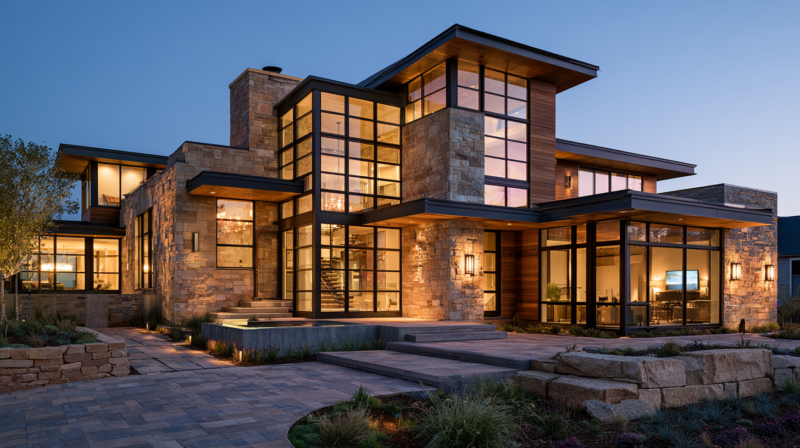
In 2026, building a house can range from a relatively straightforward production-style project to a highly customized, high-end build. A basic home with a simple floor plan and standard finishes will usually cost less than a custom home designed around a unique lot, specific lifestyle needs, and premium materials.
Many published cost estimates use a cost-per-square-foot number, but that can be misleading. Some estimates only include the structure itself. Others may exclude land, permits, utility connections, landscaping, design fees, driveways, and site preparation. In higher-cost markets, especially on the West Coast, local labor, regulations, land prices, and material costs can push the total well above national averages.
The most important thing to remember is this: the cost to build a house is not just the cost of the house. It is the cost of preparing the land, designing the home, securing approvals, building the structure, finishing the interior, connecting systems, improving the site, and planning for unexpected issues.
Why One House Can Cost Much More Than Another
Two homes with the same square footage can have very different budgets. A simple rectangular home on a flat lot will usually be more cost-efficient than a custom home on a sloped property with complex engineering, large windows, high-end finishes, and extensive outdoor living areas.
Location is one of the biggest factors. Labor costs, permit fees, local code requirements, material delivery, and contractor availability vary by region. A home built in a high-demand coastal or urban market may cost significantly more than a similar home in a lower-cost area.
Design complexity also matters. A straightforward floor plan with a simple roofline is usually less expensive to build than a home with multiple levels, vaulted ceilings, large openings, custom framing, specialty rooms, or unusual architectural details.
Finish level can also change the budget quickly. Cabinets, countertops, flooring, lighting, appliances, tile, plumbing fixtures, windows, doors, and exterior materials all come in a wide range of price points. The more custom or premium the selections, the more expensive the build becomes.
Major Cost Categories When Building a House
A complete building budget includes several major categories. Understanding these categories helps homeowners compare estimates more accurately and avoid surprises later.
Land and Lot Preparation
Land is often separate from the cost of construction. A lot may seem affordable at first, but the cost can rise if it needs clearing, grading, excavation, soil testing, drainage work, retaining walls, driveway access, or utility extensions.
A flat, buildable lot with utilities nearby is usually easier and less expensive to prepare. A sloped, wooded, remote, or irregular lot may require more engineering and site work before construction can begin.
Before buying land, homeowners should understand what it will take to make the site ready for a home.
Design, Planning, and Permits
Before construction starts, the project may require design plans, engineering, surveys, permit applications, energy calculations, and local code review. These steps are essential, but they are sometimes underestimated in early budgets.
Permitting can also affect the timeline. Some cities or counties move quickly, while others require multiple reviews or revisions. If a project involves custom features, environmental requirements, hillside construction, or strict local building rules, the approval process may take longer.
Good planning early can reduce costly changes once construction begins.
Foundation and Structural Work
The foundation is one of the most important parts of the home. Its cost depends on the soil, slope, drainage, seismic requirements, size of the home, and structural design.
Structural complexity can also increase costs. Large openings, multi-story layouts, vaulted ceilings, heavy rooflines, and custom framing may require additional engineering, materials, and labor.
This is one area where cutting corners can create serious long-term problems, so it should be budgeted carefully.
Exterior Shell
The exterior shell includes framing, roofing, siding or stucco, windows, exterior doors, weatherproofing, and insulation. This stage protects the home from the elements and plays a major role in long-term durability and energy performance.
High-quality windows, exterior finishes, roofing materials, and insulation may cost more upfront, but they can improve comfort, reduce maintenance, and support better energy efficiency over time.
Mechanical Systems
Mechanical systems include plumbing, electrical, HVAC, ventilation, smart home wiring, and sometimes solar or other energy upgrades. These systems are not always the most visually exciting part of a home, but they directly affect safety, comfort, efficiency, and daily function.
Upgrading mechanical systems can increase the budget, but it may also reduce future maintenance issues and improve long-term performance.
Interior Finishes
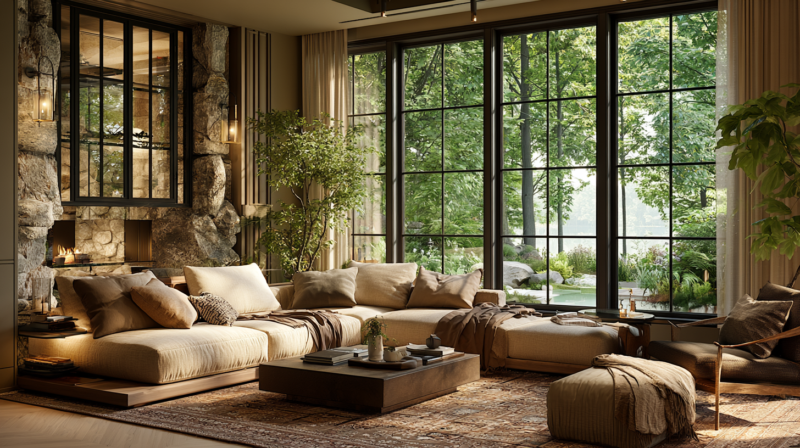
Interior finishes are where many homeowners see the project come to life. This category includes drywall, flooring, cabinets, countertops, tile, paint, lighting, appliances, plumbing fixtures, trim, and interior doors.
Finish selections can dramatically change the final cost. A modest cabinet package, standard tile, and mid-range appliances will create a very different budget than custom cabinetry, natural stone, designer fixtures, and luxury appliances.
Because finish choices are highly personal, it is important to understand allowances before signing a contract.
Landscaping and Exterior Improvements
Landscaping and exterior improvements are often forgotten in early budgets. Driveways, walkways, patios, decks, fencing, irrigation, outdoor lighting, retaining walls, and planting can all add meaningful cost.
A home may be technically complete without these items, but most homeowners still need some level of exterior work before the property feels finished and functional.
Why Custom Homes Are More Expensive
Custom homes are usually more expensive than standard builds because they require more design time, more coordination, and more individualized decisions. Instead of using a standard plan, a custom home is designed around the owner’s lifestyle, lot, preferences, and long-term needs.
This might include a unique floor plan, larger kitchen, home office, guest suite, aging-in-place features, indoor-outdoor living, energy-efficient systems, custom cabinetry, specialty windows, or premium materials.
For homeowners considering a custom build, addition, ADU, or major residential project, a design-build firm like Origami Design Build helps connect planning, permitting, floor plans, budgeting, and construction coordination into one streamlined process.
Custom building can cost more upfront, but it may reduce the need for major renovations later because the home is designed intentionally from the beginning.
How Rebuilds, Restoration, and Reconstruction Affect Cost
Not every house build starts from vacant land. Some projects involve rebuilding after fire damage, water damage, storm damage, structural issues, deterioration, or major remodeling. These projects can be more complex because the work may involve both removing damage and constructing something new.
A rebuild or restoration-related project may include demolition, debris removal, structural repairs, code upgrades, framing, exterior repairs, interior reconstruction, permitting, inspections, and insurance coordination. Hidden damage can also affect the final budget once walls, floors, or structural areas are opened.
When a project involves fire damage, structural reconstruction, restoration, remodeling, or repair-related construction, working with a company like Golden Coast Construction & Restoration helps homeowners understand the restoration and rebuild factors that may affect the total project cost.
For these projects, the cost is not only about building. It is also about correcting damage, meeting current standards, and making sure the finished structure is safe and functional.
Cost Per Square Foot: Helpful but Not the Whole Story
Cost per square foot can be useful for early planning, but it should not be treated as a final budget. A small luxury home can cost more per square foot than a larger basic home. A custom home on a difficult lot can cost far more than a simple home on a flat, prepared site.
Cost per square foot may also leave out major expenses such as land, permits, utility connections, site prep, driveways, landscaping, design fees, engineering, change orders, and contingency.
Use cost per square foot as a rough comparison tool, then move toward a detailed estimate once the site, design, materials, and scope are clearer.
How to Build a Realistic Construction Budget
A realistic construction budget should include every major phase of the project, not just the builder’s base estimate. Homeowners should ask what is included, what is excluded, and what is only listed as an allowance.
A contingency is also important. Even well-planned builds can run into unexpected site conditions, material changes, delays, or scope adjustments. Setting aside extra funds helps prevent one surprise from disrupting the entire project.
Homeowners should also pay close attention to change orders. A change after construction begins can affect materials, labor, permits, inspections, and schedule. Finalizing selections early can help keep the project closer to the original budget.
Building vs. Buying: Is Building Worth the Cost?
Building a house may cost more than buying an existing home, but it can offer benefits that are hard to find in a resale property. A new build allows homeowners to choose the layout, systems, finishes, energy features, and long-term design priorities.
Buying may be faster and more predictable upfront. The home already exists, the neighborhood is established, and the process may be simpler. However, existing homes can come with repair needs, outdated layouts, older systems, and future remodeling costs.
The right choice depends on budget, timeline, location, land availability, and how much customization matters.
Questions to Ask Before Building a House
Before building, homeowners should ask clear questions. What is the total budget, including land? Is the lot buildable? What site work is required? Are utilities available? What permits are needed? Is the home basic, semi-custom, or fully custom? What finish level is expected? What is included in the builder’s estimate? What is excluded? How much should be set aside for contingency? How long will design, permitting, and construction take? What happens if costs change during the project?
The more detailed the answers, the easier it is to avoid surprises.
Final Thoughts
So, how expensive is it to build a house? It can be very expensive because the true budget includes far more than materials and labor. Land, design, permits, site work, utilities, foundation, framing, systems, finishes, landscaping, and contingencies all shape the final cost.
National averages can be helpful, but they are only a starting point. The real cost depends on the location, site, scope, builder, materials, and level of customization.
Whether you are planning a custom home, major addition, rebuild, or restoration-related project, the best approach is to plan early, ask detailed questions, understand what is included, and build the budget around the full project instead of a single average number.