By Tom Ozimek
Contributing Writer
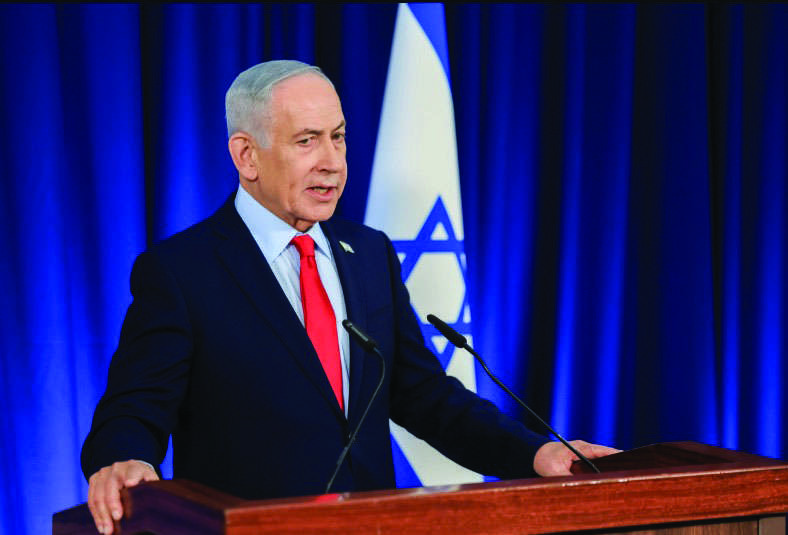
Israeli Prime Minister Benjamin Netanyahu said on Monday that Israeli troops would remain in a security zone in southern Lebanon for as long as necessary, saying their presence was needed to protect northern Israeli communities from Hezbollah terrorists.
“My directive, along with that of the minister of defense, to the IDF [Israel Defense Forces] is clear and has not changed,” Netanyahu said in a Monday video statement.
“Our fighters in southern Lebanon have full freedom of action to thwart any direct or emerging threat against them or against the residents of the north,” he said. “The IDF has no restrictions in this matter.”
Netanyahu’s remarks came after weekend talks in Switzerland between the United States and Iran produced what U.S. Vice President JD Vance described as a framework for broader peace negotiations and mechanisms to prevent the Israel-Hezbollah conflict from spiraling into a wider regional war.
The ceasefire between Israel and Hezbollah has become the linchpin of a broader U.S.-Iran diplomatic effort underpinned by a June 17 memorandum of understanding that halted direct hostilities between Washington and Tehran. The very first provision of the framework is for the war to be halted on “all fronts,” including in Lebanon, where the Iran-allied Hezbollah is locked in conflict with Israeli forces.
Iran has sought to make Israeli withdrawal from Lebanon a condition of its deal with the United States, which reopens the Strait of Hormuz and abates the energy crunch. While the wording of the memorandum does not explicitly state that Israel — which is not a party to the agreement — must pull its troops out of Lebanon, it does call for “ensuring the territorial integrity and sovereignty” of Lebanon, along with an “immediate and permanent termination of military operations” in the country.
Israeli leaders have resisted the call to withdraw, insisting that a military presence is needed to protect communities in northern Israel that are vulnerable to Hezbollah attacks from across the border.
“I firmly insist that we remain in the security zone in southern Lebanon for as long as necessary in order to protect the residents of the north and all citizens of the state,” Netanyahu said on Monday.
Iranian Foreign Minister Abbas Araghchi said on Monday that the first “real test” of whether the U.S.-Iran ceasefire framework would hold is the first provision —c ending the war in Lebanon. While he said that weekend talks in Switzerland had made “major progress,” including the waiving of U.S. sanctions on Iranian oil exports and the reopening of the Strait of Hormuz, the question of “Lebanon deconfliction” remains key.
Ceasefire Holds Amid Diplomatic Push
Netanyahu’s comments on Monday came as the ceasefire in Lebanon appeared to hold for a second day, marking the longest lull yet in three months of fighting between Israel and Hezbollah.
A senior Lebanese security official said adherence to the ceasefire had been “almost total” since Saturday evening, although isolated incidents were reported, including Israeli tank fire toward a village near Tyre, the use of sound grenades in other locations, and Israeli drone activity over Beirut.
Continued clashes between Israeli forces and Hezbollah have emerged as one of the most sensitive issues in ongoing U.S.-Iran negotiations to settle the war with diplomacy.
Speaking after weekend talks at the Bürgenstock resort in Switzerland, Vance said on Monday that negotiators had made “very good progress” in establishing mechanisms to prevent hostilities between Israel and Hezbollah from escalating into a broader conflict.
“We want Israel’s security to be protected, and we also want Lebanon’s sovereignty to be protected,” Vance told reporters.
“The Israelis have been very clear: They do not have territorial intentions on South Lebanon,” he said. “The reason they feel they have to be there is because they’re worried about Hezbollah fighters in South Lebanon firing into Israel.”
Vance said negotiators had established a “de-confliction mechanism” aimed at ensuring that incidents along the border do not trigger a wider escalation. He added that achieving a lasting solution would require cooperation from the Lebanese armed forces and efforts by Iran to restrain Hezbollah.
“If a conflict spirals out of control, that’s worse for everybody’s self-defense, and worse for everybody’s security,” he said.
The vice president also said the parties had established mechanisms to keep the Strait of Hormuz open and continue technical negotiations aimed at reaching a broader agreement within 60 days.
Senior Israeli officials said that they believe Tehran has been encouraging Hezbollah to violate the Lebanon ceasefire in a bid to provoke Israeli retaliation, create friction between Washington and Jerusalem, and undercut the preliminary U.S.-Iran peace deal.
Reuters contributed to this report.